

An alcohol concentration of 0.15 or more at the time the specimen is analyzed can raise a standard DWI to a Class A misdemeanor. That enhancement depends on a reliable specimen and the statutory timing language, so the number and the way it was produced must be examined carefully. A charge is an accusation, and the result depends on the facts, the admissible evidence, and the law that applies to the individual case.
Speak with Norris Legal Group about a Fort Worth or Tarrant County case. Request a confidential consultation or call 817-859-8985.
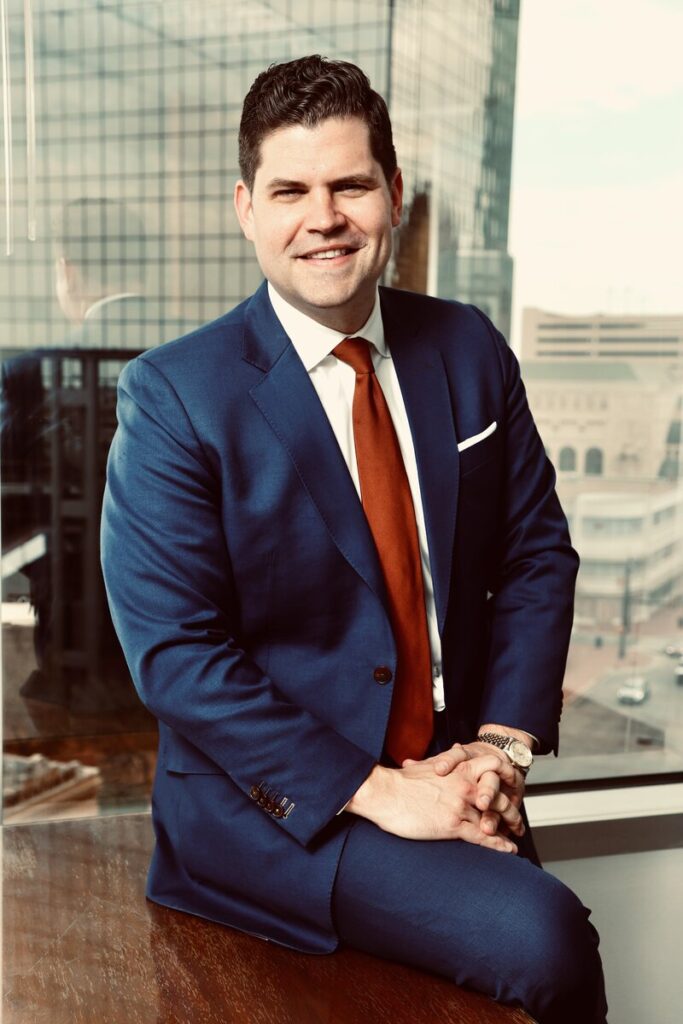
Graham Norris
Principal Attorney, Norris Legal Group
Who Will Be Handling Your Case
Graham spent his early career prosecuting cases for Tarrant County before founding Norris Legal Group. He knows how the State builds a case, and he uses that experience to build the strongest possible defense for you.
What this charge means under Texas law
Texas Penal Code § 49.04(d) supplies the core legal framework. The precise allegations in the charging instrument matter because the State must prove every element beyond a reasonable doubt. Enhancements, special victim categories, prior convictions, weapon allegations, injury levels, and relationship findings cannot simply be assumed.
Primary legal source: Texas Penal Code § 49.04(d). Statutes can change, and the version in effect on the alleged offense date should be confirmed before publication or reliance.
Possible penalties and collateral consequences
A qualifying alcohol concentration of 0.15 or more at the time of analysis raises a standard DWI allegation to a Class A misdemeanor, carrying up to one year in county jail and a fine of up to $4,000.
The formal punishment range is only part of the risk. A case can affect driving privileges, firearm rights, professional licensing, immigration, security clearances, employment, housing, insurance, family-court proceedings, and future enhancement. Which consequences apply depends on the charge and the person’s history, so they should be reviewed before any plea or waiver.
What prosecutors must prove
An alcohol concentration of 0.15 or more at the time the specimen is analyzed can raise a standard DWI to a Class A misdemeanor. That enhancement depends on a reliable specimen and the statutory timing language, so the number and the way it was produced must be examined carefully.
The defense should identify the exact statutory theory, match it against the indictment or information, and test each element separately. A weakness in one necessary element can change the available motions, negotiations, trial issues, or appropriate lesser-included-offense analysis.
The most important evidence to examine
- Whether the State can establish an analysis result of at least 0.15 under the statute
- Whether breath or blood procedures and records support the reported number
- Whether the passage of time makes the test a poor measure of the level while driving
Graham Norris has explained that DWI defense begins on two tracks: the criminal case and the separate driver-license process. His approach includes requesting the administrative hearing when available, using it to test the officer’s account, and then comparing police reports with dash-camera and body-camera footage, field-sobriety procedures, and specimen records. The team also gathers information that presents the client as a whole person and may recommend constructive steps when they fit the client and case.
The license case and the criminal case are separate
A DWI arrest may start an Administrative License Revocation process that is separate from the prosecution. The notice and deadline should be reviewed immediately. A hearing can address driving privileges and may create an early opportunity to obtain records and question the arresting officer. Missing a deadline can forfeit options even while the criminal charge remains pending.
How a Fort Worth DWI defense is built
1. Preserve the notice, video, dispatch data, test records, medical information, and witness evidence.
2. Review whether the officer had a lawful reason for the stop, detention, and arrest.
3. Compare the written report with the recorded investigation and the standardized testing procedures.
4. Audit any breath, blood, or toxicology evidence from collection through interpretation.
5. Evaluate the license case, criminal case, collateral consequences, and realistic resolution paths together.
What happens after the case is filed
The early stages usually involve release conditions, counsel’s appearance, discovery requests, and court settings. Discovery may include reports, recordings, photographs, laboratory material, medical records, witness statements, and database records. The defense then decides what additional investigation, expert review, subpoenas, or motions are needed. Negotiations and trial preparation often occur at the same time; preparing for trial does not prevent a negotiated resolution, and careful negotiation does not require giving up the ability to try the case.
Pretrial motions may challenge a stop, search, seizure, statement, identification, expert opinion, scientific test, or other evidence. If the parties do not reach a lawful and acceptable resolution, the case can proceed to a judge or jury. The client should receive an explanation of the evidence, realistic options, and the consequences of each choice before deciding how to proceed.
Evidence that can disappear if no one preserves it
Time-sensitive evidence can include surveillance video, vehicle data, phone records, location history, social-media material, photographs of injuries or the scene, dispatch audio, witness memories, and private business records. A prompt preservation request cannot guarantee the evidence still exists, but delay can allow routine deletion or loss. Clients should keep original files and devices, avoid editing screenshots, and let counsel decide how evidence should be collected and disclosed.
Questions about your license or court date?
Get specific advice for your situation before you speak to anyone else.
Text the FirmActions that can make the situation worse
- Do not violate a bond condition, protective order, license restriction, or no-contact rule, even if another person invites contact.
- Do not post facts, photographs, explanations, or accusations online. Deleted material may still be recovered or presented as consciousness of guilt.
- Do not ask friends to influence a witness or coordinate accounts. Legitimate witness investigation should be handled through counsel or an investigator.
- Do not assume that a lack of visible injury, a refusal, a prescription, or another single fact ends the case. The full evidentiary picture controls.
Why local preparation matters in Tarrant County
Local knowledge does not guarantee an outcome, but it helps counsel anticipate filing practices, court procedures, evidence exchange, scheduling, and the practical choices a client will face. Norris Legal Group’s office is in downtown Fort Worth, and Graham Norris previously served as a Tarrant County prosecutor. That background can inform how the defense evaluates the State’s theory while remaining focused on the client’s facts.
Related Norris Legal Group resources: Fort Worth DWI attorney; felony DWI guide; Graham Norris.
About Graham Norris and Norris Legal Group
Graham Norris is the founder of Norris Legal Group and a former Tarrant County prosecutor. The firm reports handling more than 3,600 misdemeanor and felony matters, including more than 400 dismissals and more than 60 grand-jury no-bills across its criminal practice. Those aggregate figures describe past work and do not predict the outcome of any future case. The firm’s stated approach is built on dignity, honest advice, detailed preparation, and willingness to litigate when necessary.
Learn more about Graham Norris; Norris Legal Group.
Frequently asked questions
Is this charge automatically proven by an arrest or test result?
No. An arrest begins a case; it does not decide it. The State must prove every element with admissible evidence, and the defense can challenge legal, factual, scientific, and credibility issues.
What should I do first after an arrest?
Follow release conditions, save every document, avoid discussing the facts on social media, and speak with counsel promptly so time-sensitive evidence and deadlines can be protected.
Can the charge be dismissed?
Dismissal may be possible in some cases, but it is never automatic. It can depend on unlawful police conduct, insufficient proof, unreliable testing, contradictory evidence, unavailable witnesses, justification, or other case-specific problems.
Will the case go to trial?
Some cases end through dismissal or a negotiated resolution, while others require a judge or jury. Trial readiness can improve decision-making even when the case resolves before trial.
Can video change the case?
Yes. Dash-camera, body-camera, surveillance, phone, and bystander video can confirm or contradict reports, show timing and context, and preserve details witnesses later forget.
Should I contact the alleged victim or witnesses?
Not without legal advice. A bond condition or protective order may prohibit contact, and even permitted communication can be misunderstood or used as evidence. Counsel can use lawful investigative channels.
Do prior cases or convictions matter?
They can affect charging, punishment, bond, licensing, firearm rights, and negotiation, but the legal effect depends on the exact record and statute. Counsel should verify the documents rather than rely on memory or a database label.
How long will the case take?
The timeline depends on the charge, evidence, laboratory work, court schedule, motions, negotiations, and whether trial is necessary. A lawyer can give a more useful estimate after reviewing the actual case.
What can a defense lawyer do before the first court setting?
Counsel can identify deadlines, preserve evidence, obtain records, advise on release conditions, begin witness and expert work, and develop a strategy before positions harden.
Don’t miss the 15-day ALR deadline
Protect your license and your record. Talk to Graham Norris today.
Call (817) 859-8985 Free ConsultationTalk with a Fort Worth defense lawyer
Early action can preserve options, but no ethical lawyer can promise a particular result. Norris Legal Group can review the accusation, explain the immediate deadlines and risks, and discuss a defense plan based on the evidence. Call 817-859-8985 or use the firm’s confidential contact form to request a consultation.
Sources and related reading
Graham Norris attorney biography
This article contains general information, not legal advice.