


By Graham Norris
If you’re under 21 and facing DWI or DUI charges in Fort Worth, you’re dealing with one of the most serious legal situations a young person can encounter. Texas has zero-tolerance laws for underage drinking and driving, meaning even a trace amount of alcohol can result in criminal charges.
The consequences extend far beyond fines and license suspension—they can affect your college admissions, scholarship eligibility, and future employment opportunities. Here’s what you need to know about the charges you’re facing and how an experienced defense attorney can protect your future.
Arrested for DWI in Tarrant County?
You have 15 days to fight a license suspension. Talk to a former Tarrant County prosecutor now.
Available 24/7 • Former Prosecutor • 3,600+ cases handled
DUI vs. DWI in Texas – The Critical Legal Difference for Drivers Under 21
Many people use the terms DUI and DWI interchangeably, but in Texas, the difference isn’t just semantic—it’s a legal distinction that defines the severity of the situation, especially for drivers under 21. Knowing which charge is on the table is essential to grasping what comes next.
What is an Underage DUI?
In Texas, a DUI is a specific charge reserved for drivers under the age of 21. It applies when a minor has any detectable amount of alcohol in their system while operating a vehicle, even if their blood alcohol concentration (BAC) is far below the standard legal limit of 0.08%. This is treated as a Class C misdemeanor, which is essentially a serious ticket. The law recognizes that for minors, who are not legally permitted to consume alcohol, the presence of any alcohol is a violation in itself.
What is an Underage DWI?
If a driver under 21 is found to be legally intoxicated—meaning they have a BAC of 0.08% or higher, or have lost the normal use of their mental or physical faculties due to alcohol or drugs—they will be charged with a DWI. This is the same criminal offense an adult would face. A DWI is a more serious misdemeanor or even felony charge, carrying the potential for jail time, significant fines, and a lasting criminal record. The stakes are immediately and substantially higher.
The Potential Consequences
Knowing the difference between a DUI and DWI is crucial, but grasping the real-world penalties that follow each charge is what clarifies the true stakes. For a young driver, the consequences extend far beyond the courtroom, potentially affecting major life opportunities for years to come.
Penalties for an Underage DUI (Class C Misdemeanor)
A DUI conviction typically results in fines up to $500, a mandatory alcohol awareness course, community service, and a driver’s license suspension for up to 60 days. While often considered a “serious ticket,” it creates a permanent citation on a driving record that can impact insurance rates and may be visible on certain background checks, underscoring that even a minor charge carries lasting weight.
Penalties for an Underage DWI (Class B Misdemeanor & Higher)
The penalties for a DWI are substantially more severe. A first-time DWI can include jail time up to 180 days, fines up to $2,000, and a driver’s license suspension ranging from 90 days to a full year. If the blood alcohol concentration is 0.15 or higher, or if there was a child passenger in the vehicle, the charges and penalties are enhanced further, moving into even more serious felony classifications with the potential for years in prison.
The Lasting Collateral Impact
Beyond fines and suspension, a conviction can trigger a cascade of collateral damage. According to the Insurance Information Institute, DUI convictions can increase insurance premiums by 80% or more for young drivers. College admissions, scholarship eligibility, and campus housing opportunities can be jeopardized. Most significantly, a permanent criminal record creates hurdles for future employment, professional licensing, and housing applications, making a proactive defense an investment in a young person’s entire future trajectory.
Questions about your license or court date?
Get specific advice for your situation before you speak to anyone else.
Text the FirmThe Immediate Aftermath: What Happens After an Underage DUI/DWI Arrest?
From the moment the handcuffs come off, two separate legal processes begin moving simultaneously. One addresses the criminal charge, while the other threatens your driving privileges. Knowing this dual-track system is key to mounting an effective response.
- The Criminal Case: This is the formal prosecution for the DUI or DWI allegation. It involves court appearances, possible plea negotiations, and will determine the final penalties, which can range from fines and community service to probation or jail time.
- The ALR License Suspension: Completely separate from the criminal court, the arresting officer will initiate an administrative process with the Texas Department of Public Safety (DPS) to suspend the driver’s license.
- The Critical 15-Day Deadline: You only have 15 days from the date of your arrest to formally request a hearing to fight this automatic suspension. This hearing is called an Administrative License Revocation (ALR) hearing. Missing this deadline means your license will be suspended, regardless of the outcome of your criminal case.
- A Strategic Opportunity: While the ALR hearing focuses on your license, it also provides a valuable early chance to question the arresting officer’s observations and procedures under oath, which can often reveal weaknesses in the broader case against you.
How a Fort Worth Underage DWI Lawyer Protects Your Future
An experienced attorney does far more than just show up to court. They build a defense on two parallel fronts: rigorously challenging the state’s evidence and proactively advocating for your character and future. This comprehensive approach is what turns a daunting legal crisis into a manageable situation.
Building a Strong Legal Defense: Challenging the Evidence
A strategic defense begins by meticulously checking the work of the arresting agency. This involves scrutinizing the reason for the traffic stop, the administration and accuracy of any breath or blood tests, and the procedures followed during field sobriety evaluations. Dash and body camera footage is carefully reviewed against the officer’s report to identify any inconsistencies. Any violation of protocol or deviation from scientific standards can be used to challenge the admissibility or reliability of the evidence, potentially leading to reduced or dismissed charges.
Mitigating Consequences and Sealing the Record
Perhaps the most critical role of your attorney is to protect your long-term prospects. For a young person, a permanent criminal record can shadow college applications, financial aid, scholarship opportunities, and future employment. Texas law now allows for certain DWI cases to be sealed from public view through a process called deferred adjudication, but handling this option requires precise legal experience from the very beginning. An attorney can work to demonstrate your responsibility through proactive steps, often negotiating for outcomes that prioritize education, counseling, and community service over punitive measures, with the ultimate goal of preserving a clean record.
Why Choose Norris Legal Group: Our Philosophy for Underage Clients
We operate on a fundamental belief that every person, especially a young person who has made a mistake, deserves to be met with dignity and respect. We know that good families can find themselves in difficult situations, and our mission is to provide not just legal experience, but a supportive pathway through it.
Our approach involves seeing the individual behind the case file. We take the time to learn who you are, your goals, and your circumstances. This means we gather a full picture of your life, character, and achievements to present you as a whole person, not just a docket number.
The ultimate goal is to guide you out of this crisis with your future intact. We are dedicated to minimizing the disruption to your education, protecting your driving privileges where possible, and working toward a resolution that allows you to learn, grow, and move forward without a single mistake defining your potential.
Don’t miss the 15-day ALR deadline
Protect your license and your record. Talk to Graham Norris today.
Call (817) 859-8985 Free ConsultationTake the First Step to Protect Your Future Today
Facing an underage DWI charge can feel isolating, but you don’t have to handle it alone. The right legal advocate provides more than just courtroom representation; they offer a dedicated partnership founded on dignity, trust, and a relentless fight for your future.
At Norris Legal Group, we bring a distinctive combination of insider knowledge and principled advocacy to every case, ensuring you are informed, empowered, and actively defended at every turn. Our approach, known as The Norris Advantage, means you receive transparent communication and a strategy crafted by a team with a proven record of success. Schedule your confidential consultation now to begin building your defense.
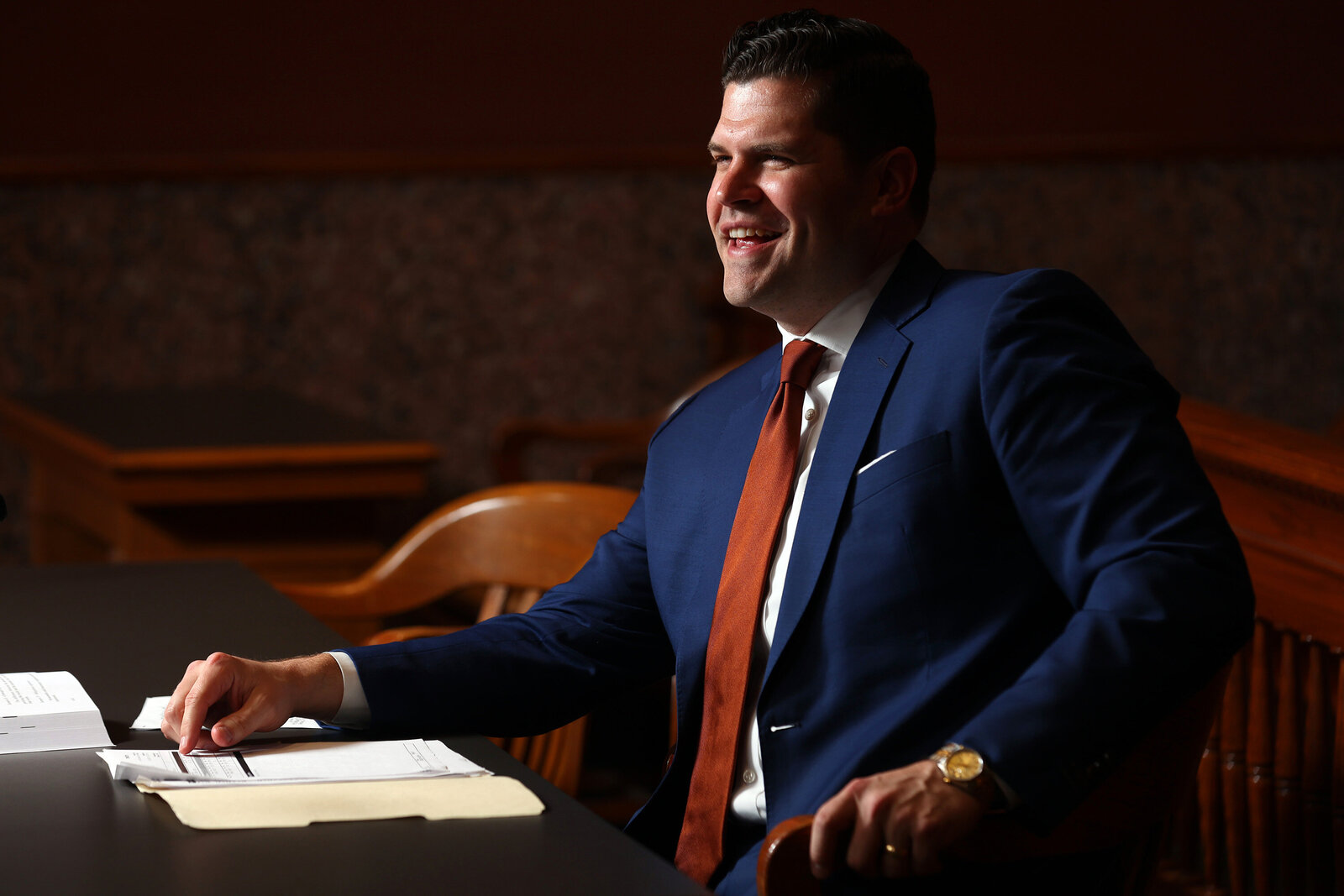
Graham Norris
Principal Attorney & Founder, Norris Legal Group PLLC
Graham Norris is an award-winning criminal defense attorney and former Tarrant County prosecutor with over a decade of courtroom experience. He has earned countless dismissals and not guilty verdicts on charges ranging from misdemeanor assault to felony murder. Graham has been recognized as a National Trial Lawyers Top 40 Under 40 attorney, named a Texas Monthly Super Lawyers Rising Star, and selected as a Top Attorney by Fort Worth Magazine.
Former Assistant District Attorney • Texas A&M School of Law Graduate • Member, National Order of Barristers
Need Legal Help? Call (817) 859-8985





Read the Comments +