


By Graham Norris
When a DWI involves a crash or injury, the legal stakes escalate dramatically. What might have been a misdemeanor suddenly becomes a felony investigation, with prosecutors treating the case far more aggressively.
If you’re facing DWI charges following an accident in Fort Worth, you need to know how these cases differ from standard DWI arrests and what defenses are available. Here’s what to expect and how to protect yourself.
Arrested for DWI in Tarrant County?
You have 15 days to fight a license suspension. Talk to a former Tarrant County prosecutor now.
Available 24/7 • Former Prosecutor • 3,600+ cases handled
The Immediate Aftermath: The Crash Scene and Police Investigation
The moments following a DWI-related crash are critical. Your actions and interactions can significantly influence both the criminal case and any subsequent insurance or civil claims. Police are not just documenting an accident; they are initiating a felony-level investigation where every word and observation becomes evidence.
- Limit Your Statements: You have the right to remain silent. While you must provide basic identification, you are not required to answer questions about what happened, where you were coming from, or what you had to drink. Politely declining to answer investigative questions is often the wisest first step to protect yourself.
- Understand the Crash Report: The officer will generate a detailed crash report. This document will include the officer’s initial determination of fault, observations of your behavior, and statements from witnesses. It becomes a foundational piece for prosecutors and your own defense team.
- Expect Mandatory Testing: In accidents involving injury or death, the legal stakes are higher. Officers will almost always seek a mandatory blood draw to determine your blood alcohol content (BAC) or the presence of drugs, as refusal can carry severe penalties and be used against you in court.
Criminal Charges: How a DWI Crash Escalates the Legal Consequences
A DWI charge alone is serious, but introducing an accident with injuries or significant property damage transforms the case. Prosecutors in Tarrant County treat these incidents with heightened severity, and the penalties reflect the potential harm caused.
Injury-Related DWI: From Misdemeanor to Felony
When a DWI results in serious bodily injury to another person, the charge escalates from a misdemeanor to a felony, specifically Intoxication Assault. This is a third-degree felony, carrying the potential for 2 to 10 years in state prison and a fine of up to $10,000. The legal focus shifts from simple impairment to the direct link between your intoxication and the injuries sustained.
The “Child Passenger” Enhancement
The presence of a child under 15 years old in the vehicle during a DWI is considered an enhancement that automatically raises the charge to a state jail felony, regardless of whether an accident occurred. If a crash with a child passenger does happen, the penalties become even more severe, with a potential sentence between six months and two years in a state jail facility.
Penalties You Could Be Facing
The stair-step of penalties grows steep with accident enhancements. A first-time DWI might be a Class B misdemeanor, but add an accident with injury or a child passenger, and you face felony charges. Subsequent offenses become third-degree felonies with prison time. Every aspect of sentencing becomes more severe, including the length of potential probation, the amount of fines, and the mandatory completion of longer intervention programs.
Questions about your license or court date?
Get specific advice for your situation before you speak to anyone else.
Text the FirmProtecting Your License After a DWI Accident
Alongside the criminal case, your driving privileges face an immediate and separate threat. The Texas Department of Public Safety (DPS) will move to suspend your license through an Administrative License Revocation (ALR) process. This happens independently of the criminal court, and the deadlines are unforgiving.
- The 15-Day Rule is Critical: From the date you receive notice of suspension, you have only 15 days to formally request an ALR hearing to fight for your license. Missing this deadline results in an automatic suspension.
- The Strategic Value of the Hearing: This hearing is a crucial early opportunity. Your attorney can subpoena and question the arresting officer under oath, often before the criminal case progresses. Testimony gathered here can reveal inconsistencies or procedural errors that are invaluable for your criminal defense strategy.
- The Impact of a Suspension: Losing your driver’s license affects your ability to work, care for family, and meet legal obligations. Securing an occupational license is possible but adds another layer of complexity. Fighting the suspension from the outset is essential.
Building Your Defense: Evidence Challenges in DWI Crash Cases
A crash does not mean the case against you is unassailable. In fact, the added complexity often provides more opportunities to scrutinize the evidence. A strong defense strategy examines every link in the chain, from the initial stop to the final accident report.
Challenging the Validity of the Traffic Stop
The prosecution must prove the officer had a valid legal reason to detain you in the first place. If your attorney can successfully argue that the initial stop was unlawful or pretextual, a judge may suppress all evidence gathered afterward—including crash details and BAC tests. This can be a decisive blow to the state’s case.
Scrutinizing the Accident Report and Officer Testimony
Officers document their version of events in a crash report and through standardized checklists. We meticulously compare this written record against all available video evidence—from dash cams, body cams, and surveillance footage. Discrepancies between the report and what the video actually shows can be powerful tools to challenge the officer’s conclusions about your impairment or fault in the accident.
Questioning Causation and Fault
For felony charges like Intoxication Assault, the state must prove your intoxication caused the accident and the resulting injuries. An experienced defense investigates all factors: road conditions, mechanical failure, the actions of other drivers, and pre-existing medical conditions. Demonstrating that other factors contributed can create reasonable doubt about your sole culpability.
Mitigating Factors: Humanizing Your Case After a DWI Accident
The law recognizes that every case has a human story. When the evidence is challenging, the focus often shifts to mitigation—presenting you as a whole person, not just a set of charges, to seek a fair and just outcome.
We believe good people can make serious mistakes. Our approach involves gathering evidence of your character, your responsibilities, and your positive contributions to the community. This can include letters of recommendation, employment records, and proof of family commitments.
Proactive rehabilitation is one of the strongest signals of remorse and responsibility to a court or prosecutor. Voluntarily enrolling in counseling, attending support meetings, or beginning community service before it’s ordered can dramatically influence the outcome. It demonstrates a commitment to change, which can lead to reduced charges, alternative sentencing, or probation instead of jail.
Don’t miss the 15-day ALR deadline
Protect your license and your record. Talk to Graham Norris today.
Call (817) 859-8985 Free ConsultationSecure Your Advocate and Begin Building Your Defense Today
Handling the aftermath of a DWI accident requires more than just legal knowledge—it demands an advocate who combines strategic aggression with genuine compassion. At Norris Legal Group, we defend your future on the principles of Dignity, Trust, and Fight.
With a proven track record of over 3,600 cases handled and more than 400 dismissals, our team has the experience to make a meaningful difference in your life. Contact Norris Legal Group now for a confidential consultation with a dedicated Fort Worth DWI accident attorney. Let us provide the powerful advocacy you need to move forward.
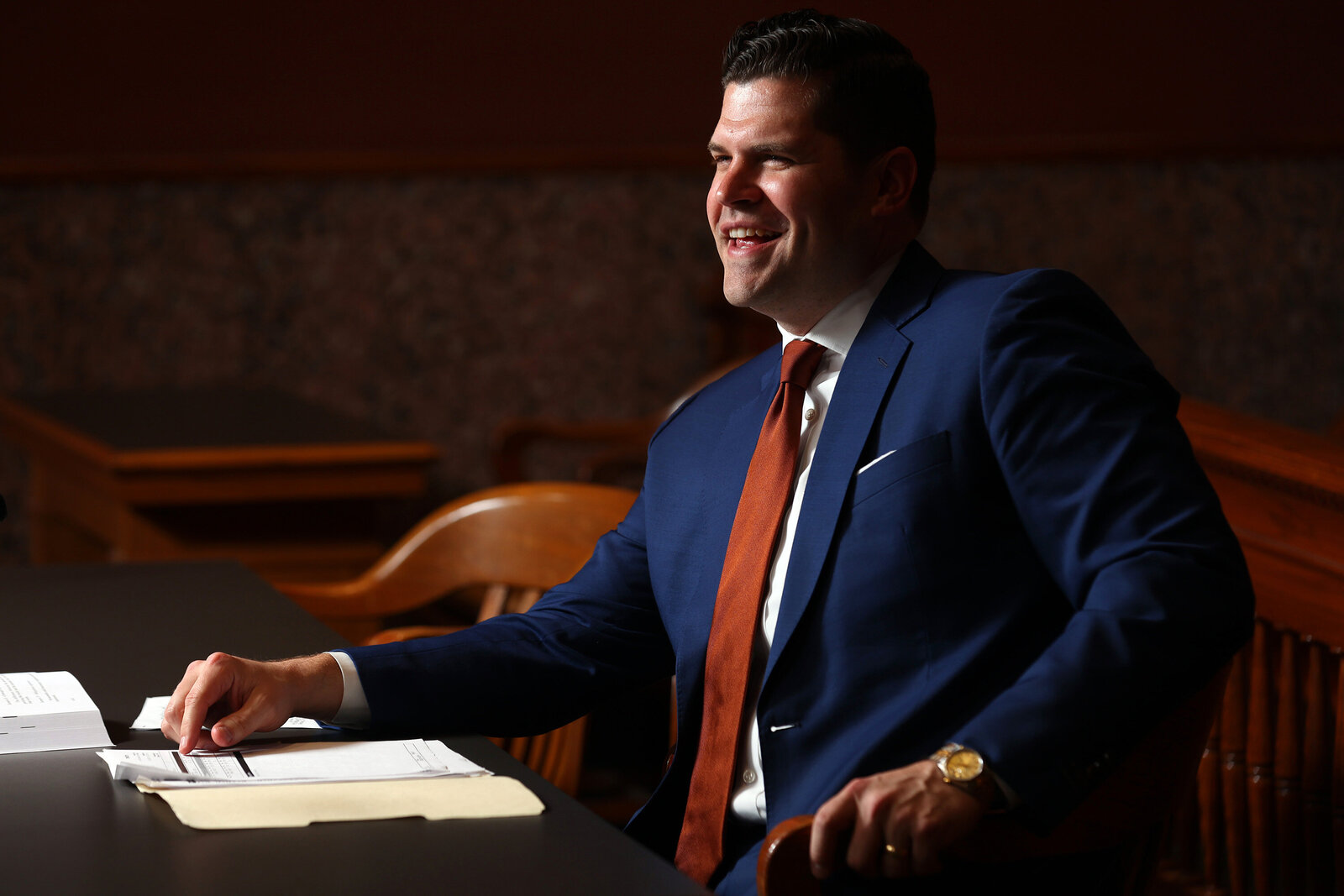
Graham Norris
Principal Attorney & Founder, Norris Legal Group PLLC
Graham Norris is an award-winning criminal defense attorney and former Tarrant County prosecutor with over a decade of courtroom experience. He has earned countless dismissals and not guilty verdicts on charges ranging from misdemeanor assault to felony murder. Graham has been recognized as a National Trial Lawyers Top 40 Under 40 attorney, named a Texas Monthly Super Lawyers Rising Star, and selected as a Top Attorney by Fort Worth Magazine.
Former Assistant District Attorney • Texas A&M School of Law Graduate • Member, National Order of Barristers
Need Legal Help? Call (817) 859-8985





Read the Comments +