


By Graham Norris
If you’ve been pulled over during a Fort Worth DWI saturation patrol, you may wonder whether the stop was legal. While traditional DWI checkpoints are generally not permitted in Texas, law enforcement uses other highly effective strategies to identify and arrest impaired drivers.
Knowing your rights during these stops can make the difference between a conviction and a dismissed case. Here’s what you need to know about how Fort Worth police conduct DWI enforcement and how to protect yourself.
Arrested for DWI in Tarrant County?
You have 15 days to fight a license suspension. Talk to a former Tarrant County prosecutor now.
Available 24/7 • Former Prosecutor • 3,600+ cases handled
Are DWI Checkpoints Legal in Texas? The Straight Answer
In Texas, traditional DWI checkpoints—where officers stop every vehicle on a roadway without specific cause—are generally not permitted. The courts have consistently viewed these blanket checkpoints as problematic under state and federal protections against unreasonable searches.
This legal boundary means you are unlikely to encounter a true roadblock where every driver is pulled over and screened for intoxication. However, this does not mean law enforcement is passive. They employ other, highly effective strategies that are fully legal and frequently used in Fort Worth and Tarrant County.
The common and powerful alternative is the use of DWI saturation patrols, coupled with a legal principle known as the “pretextual stop.” This is how the system actually works on the roads you drive every night.
Saturation Patrols and “Pretextual Stops”: How Fort Worth Police Identify Impaired Drivers
During weekends and holidays, it’s common for the Fort Worth Police Department to deploy additional officers in specific high-traffic areas like the 7th Street corridor, Near Southside, or major highways. This is a saturation patrol. Officers are not stopping everyone, but they are hyper-vigilant, watching for any minor traffic violation as a legal gateway to initiate a stop.
What Is a “Pretextual Stop”?
A pretextual stop occurs when an officer has a legal justification to pull you over for a minor infraction—such as a slightly expired registration tag, failing to signal a lane change completely, or a burnt-out license plate bulb—even if their primary suspicion is that you may be driving while intoxicated. The minor violation provides the reasonable suspicion needed to legally detain you.
The Legality of This Tactic
This method is firmly established in law. According to the U.S. Supreme Court, as long as the initial reason for the stop is a valid traffic violation, the stop is considered legal, even if the officer’s ultimate goal is to investigate a potential DWI. Once the stop is made, if the officer then observes signs of impairment (such as the smell of alcohol, slurred speech, or glassy eyes), they can expand the detention into a full DWI investigation.
Your Rights During a Fort Worth DWI Traffic Stop: What to Do (and Not Do)
Knowing how to handle the encounter can prevent you from unintentionally strengthening the case against you. Your goal is to be polite but passive, providing only what is legally required.
You Have the Right to Remain Silent
You are legally obligated to provide your driver’s license, insurance, and registration. You are not, however, required to answer potentially incriminating questions. Politely declining to answer questions like, “Where are you coming from?” or “How much have you had to drink tonight?” is within your rights. Any statement you make will be recorded and used as evidence.
You Can Decline Field Sobriety Tests
The horizontal gaze nystagmus (eye) test, walk-and-turn, and one-leg stand are voluntary in Texas. These tests are designed to be difficult and are subjective in their scoring. If you have had anything to drink, it is often strategically advisable to decline these tests, as they frequently provide the officer with the primary evidence of “loss of normal mental or physical faculties.”
Understand the Immediate Consequences
Refusing field tests may not prevent an arrest if the officer has other reasons to believe you are intoxicated. However, it denies the prosecution a key piece of visual evidence. Your refusal can be mentioned in court, but it avoids giving the jury a video of you potentially struggling with balance and coordination.
Questions about your license or court date?
Get specific advice for your situation before you speak to anyone else.
Text the FirmThe Critical Hours and Days After a DWI Stop
The steps you take immediately after being released from custody are just as crucial as your actions during the stop. Protecting your future requires swift and informed decisions.
- Recognize the Two Separate Cases: Remember, a DWI arrest triggers two parallel proceedings: the criminal case in court and an administrative case against your driver’s license with the Texas Department of Public Safety (DPS). You must address both.
- Act Immediately to Save Your License: The DPS will attempt to suspend your license. You only have 15 days from the date of your arrest to request an Administrative License Revocation (ALR) hearing to fight this suspension. Missing this deadline means an automatic suspension.
- Exercise Continued Caution: Do not discuss the details of your arrest on social media or with anyone other than your attorney. What you say can be used against you. Your primary action should be securing legal counsel who can handle both the ALR hearing and the criminal charges from the outset.
Challenging the Stop: How a Fort Worth DWI Defense Attorney Fights for You
The legality of the initial traffic stop is the foundation of the entire prosecution. If that foundation is flawed, the case can collapse. An experienced defense attorney’s first move is often to attack the reason you were pulled over in the first place.
The Motion to Suppress: Your Legal Tool
This is a formal request filed with the court to throw out evidence. In the context of a DWI stop, your attorney would argue that the officer lacked a valid legal reason to detain you. Perhaps the alleged traffic violation did not actually occur, or the officer’s description does not meet the legal standard for reasonable suspicion.
A Case-Dismissing Strategy
If a judge agrees and grants the motion to suppress, the results can be dramatic. The law states that if the initial stop was illegal, then all evidence gathered after that stop—including the officer’s observations, your performance on any field tests, and crucially, breath or blood test results—may be deemed inadmissible in court. Without that evidence, the prosecution’s case often fails, leading to reduced or dismissed charges.
Don’t miss the 15-day ALR deadline
Protect your license and your record. Talk to Graham Norris today.
Call (817) 859-8985 Free ConsultationSecure Your Defense With a Trusted Fort Worth Advocate
The complexities of DWI law and the high stakes of your case demand more than just legal representation—they require an advocate who fights strategically for your dignity and future. At Norris Legal Group, we provide powerful defense built on Dignity, Trust, and Fight.
Founder Graham Norris leverages his unique perspective as a former prosecutor to craft compelling defenses, while our entire team acts as your dedicated protectors and partners. With a proven record of achieving dismissals and favorable outcomes in thousands of cases, we have the experience to handle this challenge. Contact Norris Legal Group today for a confidential consultation and put a team of relentless advocates in your corner.
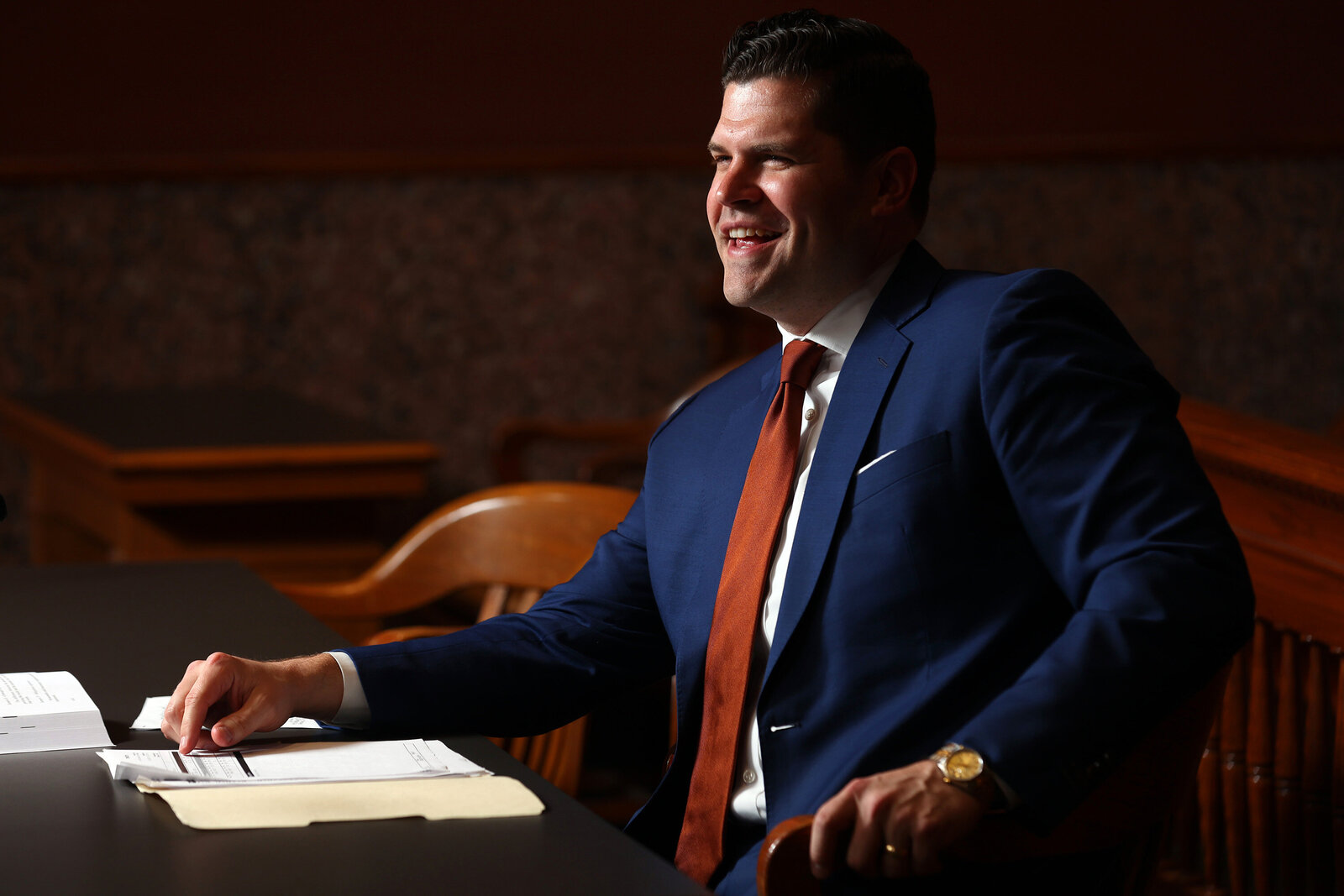
Graham Norris
Principal Attorney & Founder, Norris Legal Group PLLC
Graham Norris is an award-winning criminal defense attorney and former Tarrant County prosecutor with over a decade of courtroom experience. He has earned countless dismissals and not guilty verdicts on charges ranging from misdemeanor assault to felony murder. Graham has been recognized as a National Trial Lawyers Top 40 Under 40 attorney, named a Texas Monthly Super Lawyers Rising Star, and selected as a Top Attorney by Fort Worth Magazine.
Former Assistant District Attorney • Texas A&M School of Law Graduate • Member, National Order of Barristers
Need Legal Help? Call (817) 859-8985





Read the Comments +