


By Graham Norris
If you’ve been charged with assault on a public servant in Fort Worth, you’re facing one of the most serious criminal allegations in Texas law. Unlike simple assault, which is typically a misdemeanor, this charge is automatically elevated to a felony—carrying years in prison and lifelong consequences.
The law treats offenses against police officers, firefighters, and other public servants with extreme severity. Here’s what you need to know about these charges and how an experienced defense attorney can fight to protect your future.
Accused of Assault in Tarrant County?
An accusation is not a conviction. Get a former prosecutor to challenge the case against you now.
Domestic violence • Assault causing bodily injury • Family violence • Protective orders
Why an Assault on a Public Servant Charge is a Life-Altering Felony in Texas
From the moment this charge is filed, you are in a different category of legal trouble. The law elevates offenses against police officers, firefighters, emergency medical personnel, and other public servants to a felony level from the outset. This means you are not facing a simple misdemeanor with probation as a likely outcome; you are handling a high-stakes battle where the core aspects of your future are on the line from day one.
The Immediate Loss of Rights and Freedom
The most pressing consequence is the potential for a lengthy state prison sentence. A conviction can result in years behind bars, separating you from your family, your job, and your life. But the punishment extends far beyond the prison walls. A felony conviction strips away fundamental rights, including the right to vote, the right to own or possess firearms, and the ability to hold many professional licenses. Your entire future—from career prospects to securing housing—is jeopardized, creating a ripple effect that lasts long after any sentence is served.
Enhanced Penalties and “Deadly Weapon” Allegations
The situation becomes exponentially more serious if the prosecution alleges you used or even just displayed a weapon. Texas law defines a “deadly weapon” with shocking breadth. While obviously including guns and knives, the term can also encompass a vehicle, a baseball bat, or even a person’s own hands and feet if used in a manner capable of causing death or serious injury. When the state adds a “deadly weapon” finding to an assault on a public servant charge, the already-severe penalties skyrocket, guaranteeing a mandatory minimum prison sentence and dramatically reducing your chances of probation.
What Constitutes Assault on a Public Servant in Texas?
Knowing the specific allegations against you is the foundation of your defense. The charge of “Assault on a Public Servant” under Texas Penal Code § 22.01(b) is not a general allegation of fighting; it requires the state to prove several distinct elements about the victim and your actions.
Who Qualifies as a “Public Servant”?
The law defines a public servant broadly. While it includes police officers, it also applies to firefighters, emergency medical personnel (EMS), correctional officers, judges, and many other government employees. The critical factor is that the individual must have been lawfully discharging an official duty at the time of the alleged incident.
The “Assault” Element: More Than Just Hitting
The alleged assault can take one of three forms under Texas law: 1) intentionally, knowingly, or recklessly causing bodily injury to another person; 2) intentionally or knowingly threatening another with imminent bodily injury; or 3) intentionally or knowingly causing physical contact with another when you know or should reasonably believe they will find it offensive or provocative. This means even a threat or offensive contact, if directed at a public servant on duty, can form the basis for this felony charge.
The Crucial Element of Knowledge
A pivotal component the state must often prove is that you knew or had reason to know the victim was a public servant. This element of knowledge can become a central point of contention in your defense, especially in situations involving plainclothes officers, chaotic scenes, or unclear identification.
Want the charges reduced or dismissed?
Let a former prosecutor evaluate weaknesses in the evidence and any self-defense claim.
Text the FirmHow a Fort Worth Assault on a Public Servant Lawyer Builds Your Defense
Fighting this type of charge requires a defense that is both aggressive and microscopically detailed. A successful strategy involves systematically challenging the state’s case at every single juncture, leaving no police report unscrutinized and no witness statement unquestioned. The goal is to create enough reasonable doubt to have charges reduced or dismissed, or to secure the most favorable outcome possible at trial.
A focused defense will attack on several key fronts:
- Challenging the Legality of the Police Interaction: The foundation of the state’s case rests on the officer’s actions being lawful. If the initial stop, detention, or arrest lacked proper legal justification, then any evidence gathered afterward—including the officer’s own testimony about the assault—can potentially be suppressed and thrown out of court.
- Scrutinizing Procedure & Evidence Collection: Police and prosecutors must follow strict rules. A meticulous defense examines every step: Was video evidence from bodycams or dashcams preserved? Were your constitutional rights properly advised before questioning? Any failure in protocol can be leveraged to undermine the state’s narrative and weaken their hold on the case.
- Investigating Witness Credibility and Bias: The official report is just one version of events. We work to uncover other perspectives and evidence that tell the full story. This involves looking for inconsistencies between reports and video, examining the background and potential motivations of all witnesses, and challenging any exaggeration or fabrication made in the heat of a chaotic moment.
- Exploring the Full Context and Justification: What was happening from your perspective in those critical seconds? Texas law recognizes the right to use force, including against a public servant, under very specific circumstances such as self-defense if you did not know the person was an officer, or if the officer was using excessive force. A powerful defense reconstructs the true context, your state of mind, and the perceived threats you faced to explain your actions.
Charged or questioned about assault?
Get a defense strategy before you talk to law enforcement or the DA.
Call (817) 859-8985 Free ConsultationSecure Your Defense with a Firm That Fights for You
Facing an assault on a public servant charge means the standard approach to defense will not be enough. You need a team that combines relentless legal strategy with a genuine commitment to your humanity—a team that offers not just representation, but a powerful partnership grounded in dignity, trust, and fierce advocacy.
Norris Legal Group brings this exact combination, leveraging unique insight and an unwavering focus on your story to challenge the prosecution at every turn. Contact us today for a free and confidential case evaluation. With a proven track record of achieving dismissals and favorable outcomes in even the most complex cases, our team is ready to listen, build your defense, and fight for the best possible result.
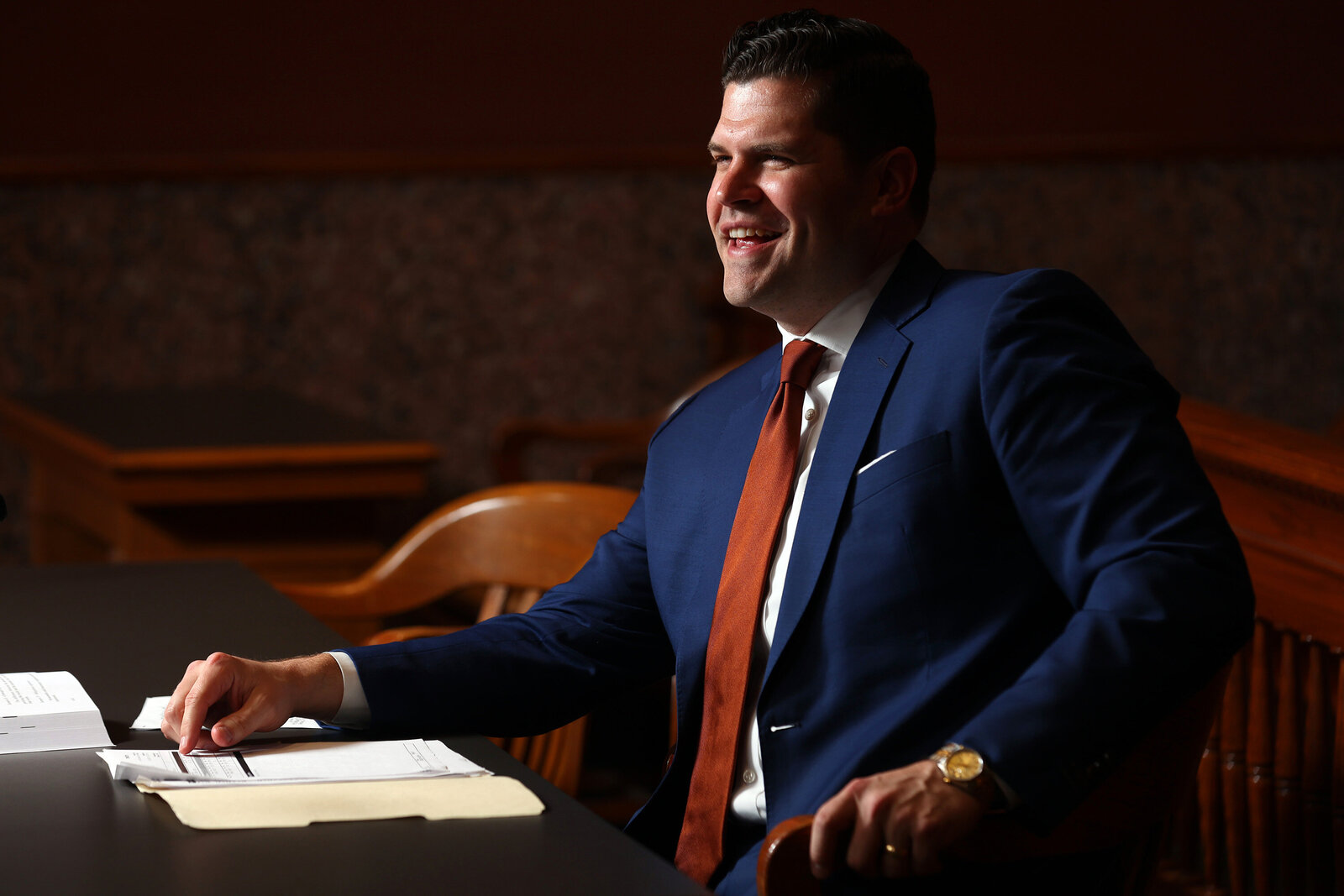
Graham Norris
Principal Attorney & Founder, Norris Legal Group PLLC
Graham Norris is an award-winning criminal defense attorney and former Tarrant County prosecutor with over a decade of courtroom experience. He has earned countless dismissals and not guilty verdicts on charges ranging from misdemeanor assault to felony murder. Graham has been recognized as a National Trial Lawyers Top 40 Under 40 attorney, named a Texas Monthly Super Lawyers Rising Star, and selected as a Top Attorney by Fort Worth Magazine.
Former Assistant District Attorney • Texas A&M School of Law Graduate • Member, National Order of Barristers
Need Legal Help? Call (817) 859-8985





Read the Comments +