


By Graham Norris
You’ve heard the alleged victim say they don’t want to press charges. You might assume that means the case will be dropped. Unfortunately, that’s not how the Texas criminal justice system works.
In assault cases, particularly those involving family violence, prosecutors can and often do proceed without the victim’s cooperation. Here’s what you need to know about why the state continues to pursue charges and what you can do to get your case dismissed.
Accused of Assault in Tarrant County?
An accusation is not a conviction. Get a former prosecutor to challenge the case against you now.
Domestic violence • Assault causing bodily injury • Family violence • Protective orders
Why the State Can—and Often Will—Proceed Without the Victim’s Cooperation
An assault charge in Texas is not considered a private matter. It is treated as a crime against the peace and dignity of the State itself. This means a prosecutor’s duty is to pursue what they believe serves public safety, not solely the current wishes of one person. Even with a reluctant victim, several powerful mechanisms keep a case alive.
- The Momentum of an Official Report: Once law enforcement is called and a report is filed, it creates an official record. The prosecutor reviews this file, not the emotional state of the victim weeks later. That initial report, with its documented observations and statements, becomes the foundation for the state’s case.
- Stringent Prosecution Policies: This is especially true in cases tagged as family violence, which in Texas can encompass disputes between roommates, relatives, or dating partners. Many District Attorney’s offices adopt strict, evidence-based filing policies for these charges, meaning they will proceed based on the evidence collected at the scene, regardless of whether the victim later wishes to drop the matter.
- Building a Case Beyond Testimony: Prosecutors are adept at constructing cases using evidence that doesn’t require the victim’s courtroom testimony. A recorded 911 call, photos of injuries, a police officer’s account of a chaotic scene, or statements from other witnesses can be enough for them to move forward.
- Recognizing Recantation: The system is also wary of why victims recant. They may feel fear, economic pressure, familial pressure, or a desire for reconciliation. Prosecutors may interpret a request to drop charges as a sign of intimidation or a cycle of abuse, which can ironically make them more determined to prosecute.
When Can Charges Be Dropped? The Path to Dismissal
While the prosecutor has the final say, they are often persuaded to dismiss a case when a defense attorney successfully presents one or more of the following factors:
- Credible Evidence of a False or Exaggerated Claim: Demonstrating that the initial allegation was fabricated or materially exaggerated, supported by evidence like contradictory communications or proof of a motive to lie.
- A Formal, Sworn Recantation Supported by Context: Providing a notarized affidavit from the alleged victim, corroborated by other evidence that makes the withdrawal of the accusation credible and reliable.
- Clear Evidence of Justification: Presenting convincing proof that the actions were legally justified, such as self-defense, through evidence like video footage or independent witness accounts.
- Fatal Flaws in the State’s Evidence: Identifying irreconcilable inconsistencies in the official report, witness statements, or physical evidence that critically undermine the prosecution’s case.
Want the charges reduced or dismissed?
Let a former prosecutor evaluate weaknesses in the evidence and any self-defense claim.
Text the FirmHow a Fort Worth Assault Lawyer Intervenes When the Victim Recants
A victim’s reluctance to proceed is not a magic solution, but it is a significant opportunity. It creates a crucial opening for an experienced defense attorney to intervene and reshape the narrative before the case gains irreversible momentum. This is where a proactive legal strategy makes all the difference.
Conducting a Rigorous Independent Investigation
The first step is to go beyond the police report. A thorough attorney will immediately work to gather all evidence, interview witnesses, and obtain any available video footage from security cameras, bodycams, or bystanders. The goal is to identify inconsistencies in the initial account, uncover any bias or agenda from the accuser, and build a clear, factual picture of what truly occurred. This investigation often reveals the critical context that was missing when police first responded to a chaotic incident.
Presenting the Complete Truth to the Prosecutor
The prosecutor holds the keys to dismissal. Therefore, a lawyer’s most critical job is to effectively communicate the full story directly to the decision-maker. This means formally presenting the evidence gathered during the investigation—witness affidavits, digital evidence, a timeline of events—that contradicts the initial allegation. By professionally and persuasively demonstrating that the case is weaker than it appears, or that the use of force was justified, an attorney can convince the prosecutor that pursuing the charges is not in the interest of justice.
Formally Correcting the Record with Victim Affidavits
When an alleged victim actively wants to withdraw their accusation, a lawyer can facilitate a formal, legal process to document their recantation. This often involves assisting that person in drafting and signing a sworn affidavit. According to the Texas Rules of Evidence, while prosecutors may view such affidavits with skepticism, they are a powerful tool. When combined with other evidence gathered during the investigation, a sworn recantation can be the linchpin in an argument for complete dismissal.
What You Should Do Right Now: Protect Your Future
In this unstable situation, your actions directly impact your future. Taking the wrong step can undermine your defense, even if the other person is on your side.
- Cease All Communication with the Alleged Victim: Any contact, no matter how well-intentioned, can be misconstrued as witness intimidation or tampering, creating a new and serious problem. Let your attorney be the sole point of contact for any necessary communication.
- Firmly Invoke Your Right to Remain Silent: The case is now in the hands of the state and your lawyer. Do not discuss any details with investigators, prosecutors, or on social media. Anything you say can be used to strengthen the case against you.
- Seek Legal Counsel Immediately: Witness memories fade, video footage is overwritten, and the prosecution’s case solidifies. The single most important action you can take is to seek experienced legal counsel immediately. A defense built on early, evidence-based intervention is your strongest path to a favorable outcome.
Charged or questioned about assault?
Get a defense strategy before you talk to law enforcement or the DA.
Call (817) 859-8985 Free ConsultationSecure Your Advocate Now
Handling an assault charge when the facts are in your favor requires more than just a lawyer—it demands an advocate who comprehends both sides of the courtroom and will fight to ensure the full truth is heard. At Norris Legal Group, we build your defense on the foundational principles of Dignity, Trust, and Fight.
Founded by former prosecutor Graham Norris, our team uses insider knowledge and strategic clarity to directly engage with decision-makers, challenge evidence, and work tirelessly toward dismissals. With a proven track record of securing over 400 dismissals and handling thousands of cases, we act as your advocates, protectors, and partners from the first consultation through to the final resolution. Contact Norris Legal Group today for a confidential, free consultation, and let us begin building the powerful defense you deserve.
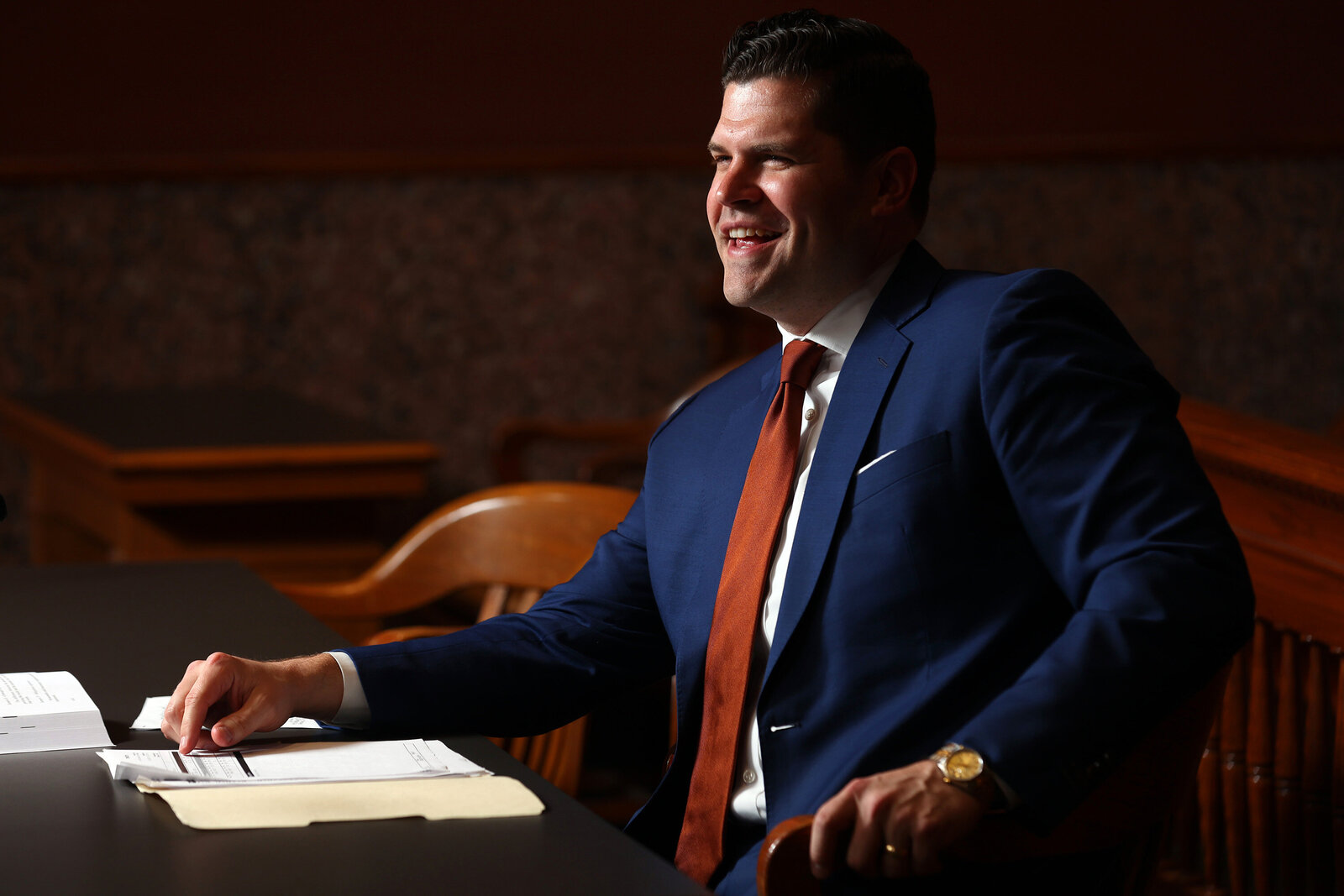
Graham Norris
Principal Attorney & Founder, Norris Legal Group PLLC
Graham Norris is an award-winning criminal defense attorney and former Tarrant County prosecutor with over a decade of courtroom experience. He has earned countless dismissals and not guilty verdicts on charges ranging from misdemeanor assault to felony murder. Graham has been recognized as a National Trial Lawyers Top 40 Under 40 attorney, named a Texas Monthly Super Lawyers Rising Star, and selected as a Top Attorney by Fort Worth Magazine.
Former Assistant District Attorney • Texas A&M School of Law Graduate • Member, National Order of Barristers
Need Legal Help? Call (817) 859-8985





Read the Comments +