


By Graham Norris
When you’re arrested for DWI in Texas, the clock starts ticking immediately. You have just 15 days from the date of your arrest to request an Administrative License Revocation (ALR) hearing, or your driver’s license will be automatically suspended. Missing this deadline can have serious consequences for your ability to work, care for your family, and maintain your daily life.
At Norris Legal Group, we’ve helped countless clients protect their driving privileges by acting quickly after a DWI arrest. This checklist will walk you through exactly what you need to do today to meet the ALR hearing 15 day deadline in Texas and give yourself the best chance of keeping your license.
Arrested for DWI in Tarrant County?
You have 15 days to fight a license suspension. Talk to a former Tarrant County prosecutor now.
Available 24/7 • Former Prosecutor • 3,600+ cases handled
About the ALR Hearing 15 Day Deadline in Texas
The ALR hearing is separate from your criminal DWI case. It’s an administrative proceeding conducted by the Texas Department of Public Safety (DPS) to determine whether your driver’s license should be suspended. According to the Texas Department of Public Safety, you must request this hearing within 15 days of receiving notice of suspension, or your license will be automatically suspended.
Graham Norris explains why this hearing is so important: “What we always do in these cases is we subpoena the officer, the arresting officer, to appear at that license hearing. And obviously, the goal is to save somebody’s driver’s license. But beyond just that, it gives us the opportunity to cross examine that police officer and to sometimes use that testimony in the criminal case.”
The ALR hearing serves two critical purposes. First, it’s your opportunity to challenge the license suspension and potentially keep your driving privileges. Second, it provides a valuable chance to gather evidence and testimony that can strengthen your defense in the criminal case.
Your 15-Day Deadline Checklist
Day 1: Count Your Deadline
The 15-day period begins on the date you received your Notice of Suspension, typically the day of your arrest. Count 15 calendar days from that date—not business days. Mark this deadline on your calendar immediately. If the 15th day falls on a weekend or holiday, the deadline extends to the next business day, but don’t risk waiting that long.
Day 1-2: Contact a DWI Attorney
Time is your most valuable resource right now. Contact an experienced Fort Worth DWI attorney who can request the ALR hearing on your behalf and begin building your defense immediately. At Norris Legal Group, we understand the urgency of these deadlines and prioritize getting your hearing request filed quickly.
An attorney can also advise you on whether requesting an ALR hearing is in your best interest. In most cases, it is, but there are rare situations where strategic considerations might suggest otherwise.
Day 1-3: Gather Your Documents
Collect all documents related to your arrest, including your Notice of Suspension (often called a DIC-25 form), any temporary driving permit you received, and any paperwork from the arresting officer. These documents contain critical information needed to request your hearing and build your defense.
Day 3-5: Request Your ALR Hearing
Your attorney will file a formal request for an ALR hearing with the Texas DPS. This can be done online, by mail, or by fax, but online submission is typically fastest and provides immediate confirmation. The request must include specific information from your Notice of Suspension.
Once your hearing is requested, DPS will schedule it and notify you of the date, time, and location. Learn more about what happens at an ALR hearing in Texas to prepare for what comes next.
Day 5-10: Begin Case Investigation
While waiting for your hearing date, your attorney should begin investigating your case. This includes requesting dash cam and body cam footage, reviewing the arrest report for procedural errors, and identifying potential witnesses. The more preparation time you have before the hearing, the stronger your defense will be.
Graham Norris emphasizes the importance of thorough investigation: “We’re really checking officers’ work because there is a certain procedure with field sobriety tests and with any type of specimen so either a breath specimen or a blood specimen that they have to go through. And if they violate or break any of the rules or do it incorrectly, they can either result in the test [being inadmissible].”
Day 10-15: Subpoena the Officer
Your attorney should subpoena the arresting officer to appear at the ALR hearing. This is crucial because it provides an opportunity to question the officer under oath about the circumstances of your arrest, the field sobriety tests, and any chemical testing procedures.
What Happens If You Miss the 15-Day Deadline?
If you fail to request an ALR hearing within 15 days, your license will be automatically suspended. The suspension period depends on several factors, including whether you refused chemical testing and whether you have prior DWI convictions.
For a first-time offense with a failed breath or blood test, the suspension period is typically 90 days. If you refused testing, the suspension can last 180 days. These suspensions begin 40 days after your arrest, and you may be eligible for an occupational license that allows you to drive for essential purposes like work, school, and medical appointments.
Missing the deadline doesn’t necessarily doom your criminal case, but it eliminates a valuable opportunity to cross-examine the officer and gather evidence. It also means you’ll face an immediate suspension without the chance to contest it.
Questions about your license or court date?
Get specific advice for your situation before you speak to anyone else.
Text the FirmCommon Mistakes People Make
Waiting Too Long to Get Legal Help
Many people arrested for DWI wait days or even weeks before contacting an attorney, thinking they can handle the initial steps themselves. By the time they realize they need help, precious days have been lost, and deadlines may have passed.
Assuming the Notice Will Come in the Mail
Some people believe they’ll receive formal notice of the 15-day deadline by mail and don’t realize the clock started ticking the day they were arrested. The Notice of Suspension is typically handed to you at the time of arrest. Don’t wait for additional paperwork.
Not Taking the ALR Hearing Seriously
Because the ALR hearing is separate from the criminal case, some people assume it’s less important. In reality, it’s a critical opportunity to challenge the suspension and gather evidence for your criminal defense. Understanding how to beat a DWI in Texas often starts with a successful ALR hearing strategy.
Trying to Handle It Alone
ALR hearings involve complex legal procedures and rules of evidence. Attempting to represent yourself puts you at a significant disadvantage against experienced DPS attorneys who handle these hearings daily.
What Happens at the ALR Hearing
The ALR hearing is conducted by an Administrative Law Judge (ALJ) and typically takes place by telephone. The DPS will present evidence supporting the suspension, including the arresting officer’s testimony and any chemical test results.
Your attorney will have the opportunity to cross-examine the officer and challenge the evidence. The judge will consider whether the officer had reasonable suspicion to stop you, probable cause to arrest you, and whether proper procedures were followed for any chemical testing.
Why the ALR Hearing Matters for Your Criminal Case
While the ALR hearing and criminal case are separate proceedings, the evidence gathered at the ALR hearing can significantly impact your criminal defense. When your attorney cross-examines the arresting officer at the ALR hearing, any inconsistencies, procedural errors, or weaknesses in the officer’s testimony become part of the record.
This information can be used to challenge evidence in your criminal case, negotiate better plea agreements, or strengthen your position at trial. Officers sometimes testify differently at the ALR hearing than they do later in criminal proceedings, and these discrepancies can be powerful tools for your defense.
Protecting Your Driving Privileges
Even if you ultimately lose the ALR hearing, requesting it within 15 days provides immediate benefits. Your license remains valid until the hearing is conducted and a decision is made, which can be several weeks or even months after your arrest. This gives you time to arrange for an occupational license if needed and make alternative transportation plans.
For those considering whether DWI expunction in Texas might be possible in the future, successfully fighting the ALR suspension can be an important first step toward a favorable resolution.
Don’t miss the 15-day ALR deadline
Protect your license and your record. Talk to Graham Norris today.
Call (817) 859-8985 Free ConsultationTake Action Today
If you’ve been arrested for DWI in Texas, don’t wait another day to protect your rights and your license. The 15-day deadline is absolute, and missing it means automatic suspension.
Graham Norris and the team at Norris Legal Group understand the urgency of ALR deadlines and are ready to help you immediately. We believe that every person deserves to be treated with dignity and respect, regardless of their circumstances. As Graham says: “We believe that every person no matter if they’ve made a mistake or not, deserves to be treated with dignity and respect.”
Call (817) 859-8985 today for a free case evaluation. Don’t let the clock run out on your opportunity to fight for your license and your future.
Serving Fort Worth, Arlington, Bedford, Mansfield, Euless, Hurst, Keller, Southlake, and all of Tarrant County.
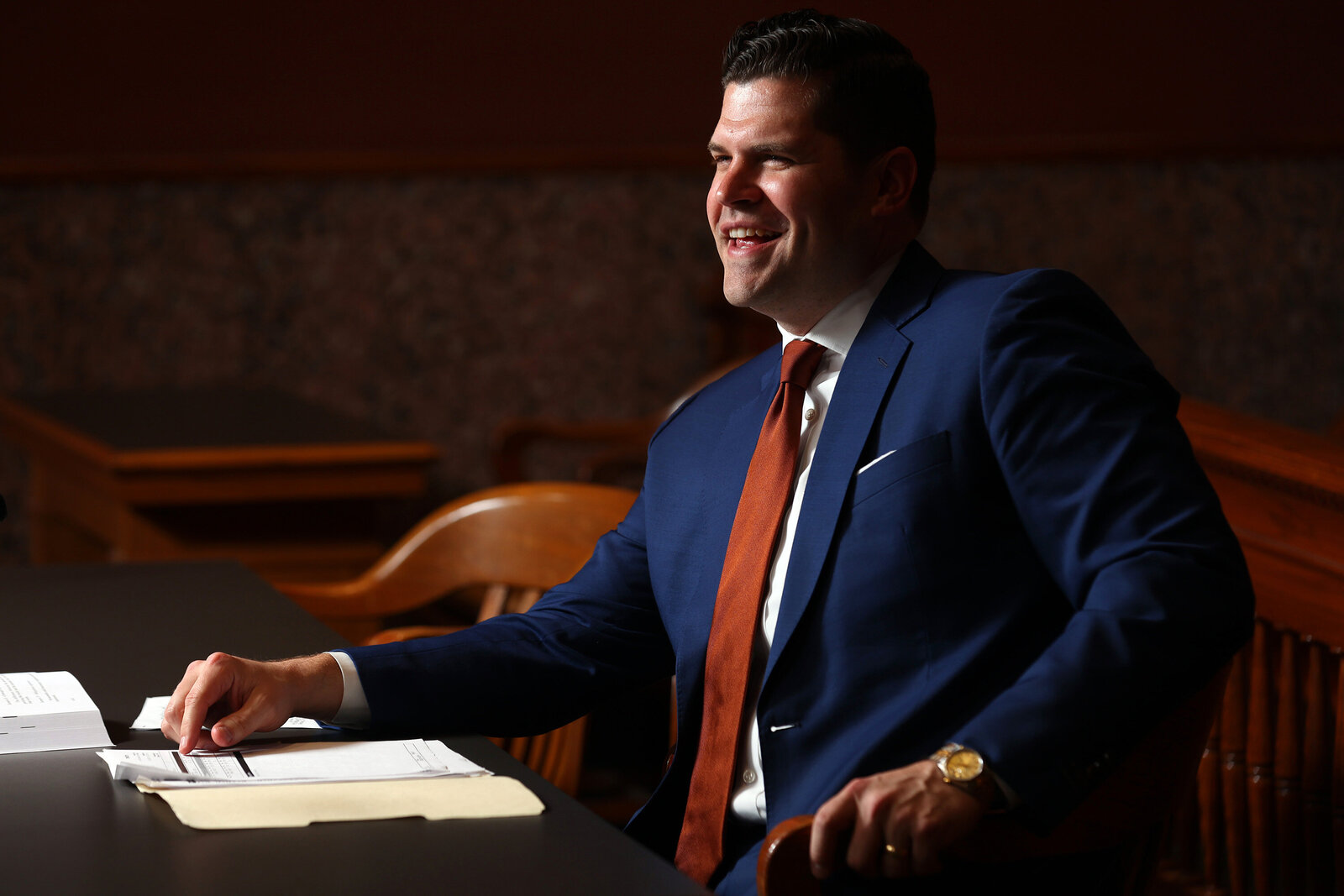
Graham Norris
Principal Attorney & Founder, Norris Legal Group PLLC
Graham Norris is an award-winning criminal defense attorney and former Tarrant County prosecutor with over a decade of courtroom experience. He has earned countless dismissals and not guilty verdicts on charges ranging from misdemeanor assault to felony murder. Graham has been recognized as a National Trial Lawyers Top 40 Under 40 attorney, named a Texas Monthly Super Lawyers Rising Star, and selected as a Top Attorney by Fort Worth Magazine.
Former Assistant District Attorney • Texas A&M School of Law Graduate • Member, National Order of Barristers
Need Legal Help? Call (817) 859-8985





Read the Comments +