

By Graham Norris
If you’ve been pulled over for suspected DWI in Texas, the officer will likely ask you to perform field sobriety tests. These roadside physical tests are designed to help officers determine whether you’re intoxicated, but they’re far from foolproof. Knowing what these tests involve and how experienced attorneys challenge them can make a crucial difference in the outcome of your case.
At Norris Legal Group, we’ve successfully challenged field sobriety test results in numerous DWI cases throughout Tarrant County. Graham Norris, an experienced Fort Worth DWI attorney, explains the strategic approach: “If you’ve had anything to drink, or there may be any question about whether you can complete those tests, it’s almost always to your benefit to decline to take them.”
Arrested for DWI in Tarrant County?
You have 15 days to fight a license suspension. Talk to a former Tarrant County prosecutor now.
Available 24/7 • Former Prosecutor • 3,600+ cases handled
The Three Standardized Field Sobriety Tests in Texas
According to the National Highway Traffic Safety Administration (NHTSA), only three field sobriety tests have been validated through scientific research. These are known as the Standardized Field Sobriety Test (SFST) battery:
1. Horizontal Gaze Nystagmus (HGN)
This is the eye test where an officer asks you to follow a pen or finger with your eyes while keeping your head still. The officer is looking for involuntary jerking of the eyes, which can be an indicator of intoxication.
Graham Norris describes it: “The first is an eye test called the HGN or horizontal gaze nystagmus. And that’s to test for involuntary jerking of the eyes.”
2. Walk-and-Turn Test
This divided attention test requires you to walk heel-to-toe along a straight line for nine steps, turn in a specific manner, and walk back nine steps. Officers watch for specific clues like stepping off the line, using your arms for balance, or taking the wrong number of steps.
“The next test is a walk and turn test where they have you walk along the line a certain number of steps in a certain manner,” explains Graham Norris.
3. One-Leg Stand Test
You must stand on one leg while counting aloud for 30 seconds. Officers look for swaying, using arms for balance, hopping, or putting your foot down.
Graham notes: “And the final test is a one leg stand test. And that’s where you stand on one leg and have to balance and those battery of all three of those tests are supposed to test different things and give them an indication as to whether you’re intoxicated.”
The Problem With Field Sobriety Tests
While these tests are standardized, they’re hardly foolproof. Many factors unrelated to intoxication can affect your performance, and officers don’t always administer them correctly.
Graham Norris emphasizes this point: “It’s often the case that someone who’s not used to those tests, and has never heard them before, are not able to complete them, and an officer will find clues that indicate intoxication.”
According to research published by the NHTSA on field sobriety test reliability, even under ideal conditions, these tests have error rates. The walk-and-turn test is only 79% accurate, and the one-leg stand is only 83% accurate when properly administered.
How Attorneys Challenge Field Sobriety Test Results
When defending DWI cases in Fort Worth, experienced attorneys like Graham Norris systematically attack field sobriety test evidence using several proven strategies:
1. Improper Test Administration
Officers must follow strict protocols when conducting field sobriety tests. Any deviation from standardized procedures can invalidate the results. Common administration errors include:
- Failing to provide proper instructions
- Conducting tests on uneven surfaces
- Testing in poor lighting conditions
- Not demonstrating the test correctly
- Rushing through instructions
Graham explains the defense approach: “We’re really checking officers’ work because there is a certain procedure with field sobriety tests and with any type of specimen so either a breath specimen or a blood specimen that they have to go through. And if they violate or break any of the rules or do it incorrectly, they can either result in the test [being inadmissible].”
2. Comparing Video Evidence to Police Reports
Most DWI stops in Texas are recorded on dash cam and body cam video. Attorneys carefully compare what the video shows with what the officer wrote in their report.
“Most DUI/DWI stops are recorded on dash cam and body cam video. Your lawyer will compare the officer’s report with the video footage to find discrepancies. If the officer’s account doesn’t match the video, it can weaken the case against you,” Graham notes.
When officers exaggerate clues or describe performance differently than what the video shows, it undermines their credibility and can lead to case dismissals or reduced charges. Understanding how to beat a DWI in Texas often depends on this type of detailed video analysis.
3. Physical and Medical Conditions
Many medical conditions and physical limitations can affect field sobriety test performance, including:
- Inner ear problems or balance disorders
- Knee, ankle, or back injuries
- Neurological conditions
- Age-related mobility issues
- Obesity
- Footwear (high heels, boots, etc.)
These factors have nothing to do with intoxication but can cause you to fail the tests. Experienced attorneys present evidence of these conditions to explain poor performance.
4. Environmental Factors
Field sobriety tests are rarely conducted under ideal conditions. Defense attorneys highlight environmental factors that affected performance:
- Uneven road surfaces or gravel
- Poor weather (rain, wind, cold)
- Inadequate lighting
- Traffic and noise distractions
- Sloped surfaces
The standardized tests were validated under controlled conditions, not on the side of a dark highway at 2 a.m. in the rain.
5. Officer Qualifications and Training
Not all officers are properly trained or certified to administer field sobriety tests. Attorneys investigate the officer’s training records and certifications to ensure they were qualified to conduct the tests. If an officer’s certification has lapsed or they received inadequate training, the test results may be challenged.
Questions about your license or court date?
Get specific advice for your situation before you speak to anyone else.
Text the FirmShould You Refuse Field Sobriety Tests in Texas?
In Texas, you have the right to refuse field sobriety tests. Unlike chemical tests (breath or blood), there is no statutory penalty for refusing to perform roadside physical tests.
Graham Norris advises: “If you’ve had anything to drink, or there may be any question about whether you can complete those tests, it’s almost always to your benefit to decline to take them.”
However, he also acknowledges: “Sometimes if you’re not intoxicated, or if you’ve not had anything to drink, it can be a benefit to complete those tests because an officer will send you home if you complete them well.”
Your refusal can be mentioned in court, but many attorneys argue this is preferable to providing the prosecution with additional evidence against you. The decision depends on your individual circumstances, but it’s important to know you have the right to politely decline.
For more guidance on interactions with law enforcement during DWI stops, see our article on whether you can refuse sobriety tests.
The Strategic Value of the ALR Hearing
When defending against field sobriety test evidence, the Administrative License Revocation (ALR) hearing provides a critical opportunity to cross-examine the arresting officer before the criminal trial.
Graham explains: “What we always do in these cases is we subpoena the officer, the arresting officer, to appear at that license hearing. And obviously, the goal is to save somebody’s driver’s license. But beyond just that, it gives us the opportunity to cross examine that police officer and to sometimes use that testimony in the criminal case.”
This early questioning can reveal inconsistencies in the officer’s testimony and lock them into statements that may differ from what they later say at trial. Learn more about what happens at an ALR hearing in Texas and why it matters for your defense.
Fighting for Your Rights
Field sobriety tests are subjective and prone to error, even when properly administered. Factors ranging from medical conditions to environmental circumstances to simple nervousness can cause innocent people to “fail” these tests.
At Norris Legal Group, we meticulously examine every aspect of field sobriety testing in your case. We obtain video footage, review officer training records, and present evidence of alternative explanations for poor performance.
Graham Norris’s approach reflects the firm’s core values: “We believe that every person no matter if they’ve made a mistake or not, deserves to be treated with dignity and respect. And because of that, what we’ve learned is that really good people sometimes make mistakes.”
Don’t miss the 15-day ALR deadline
Protect your license and your record. Talk to Graham Norris today.
Call (817) 859-8985 Free ConsultationGet Your Free Case Evaluation Today
If you’ve been arrested for DWI in Fort Worth or anywhere in Tarrant County, don’t let flawed field sobriety test evidence determine your future. Contact Norris Legal Group for a thorough evaluation of your case.
Call (817) 859-8985 today for a free consultation.
Serving Fort Worth, Arlington, Bedford, Mansfield, Euless, Hurst, Keller, Southlake, and all of Tarrant County.
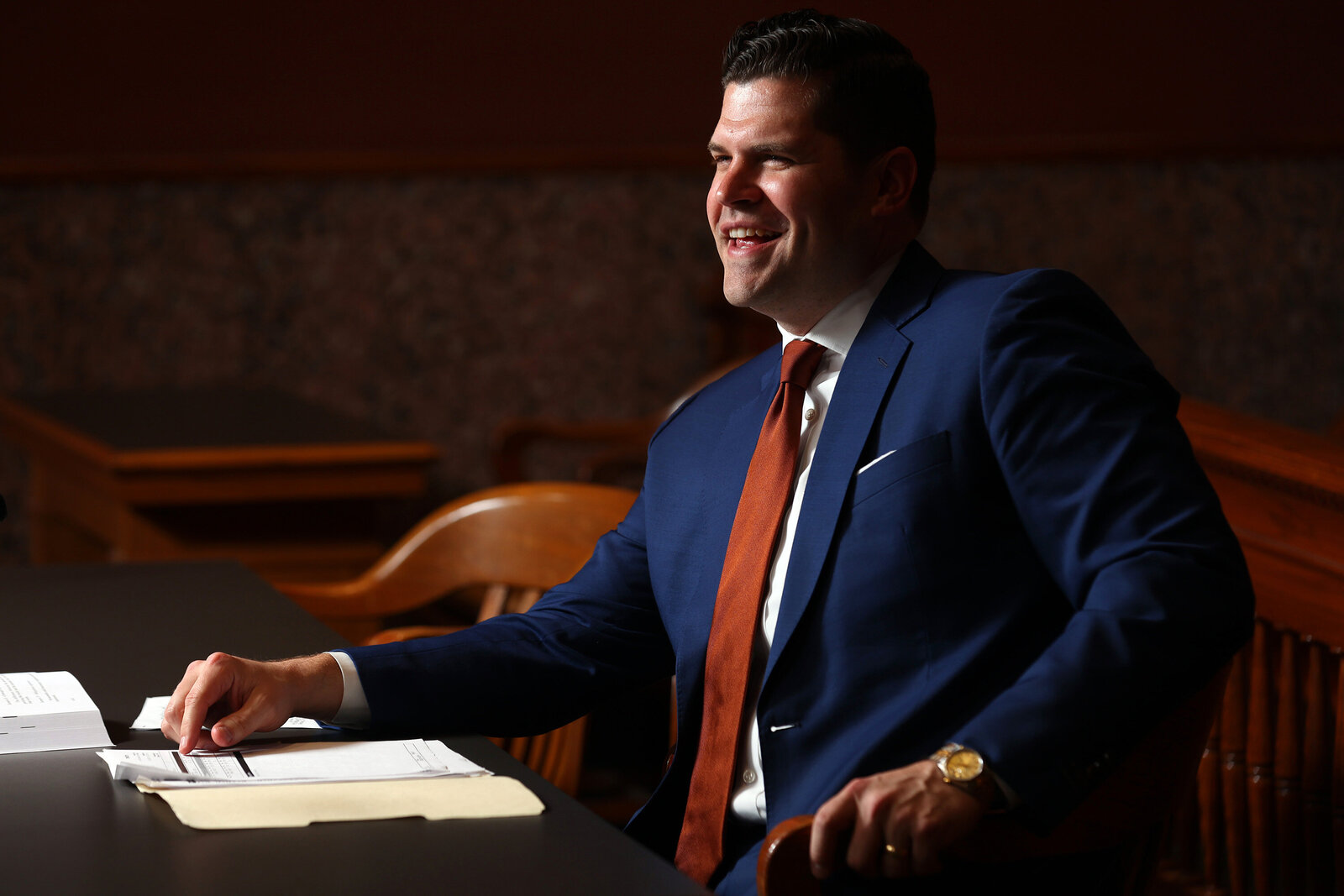
Graham Norris
Principal Attorney & Founder, Norris Legal Group PLLC
Graham Norris is an award-winning criminal defense attorney and former Tarrant County prosecutor with over a decade of courtroom experience. He has earned countless dismissals and not guilty verdicts on charges ranging from misdemeanor assault to felony murder. Graham has been recognized as a National Trial Lawyers Top 40 Under 40 attorney, named a Texas Monthly Super Lawyers Rising Star, and selected as a Top Attorney by Fort Worth Magazine.
Former Assistant District Attorney • Texas A&M School of Law Graduate • Member, National Order of Barristers
Need Legal Help? Call (817) 859-8985




Read the Comments +