


By Graham Norris
After an assault arrest in Texas, you may face immediate restrictions on who you can contact and where you can go—even before conviction. These restrictions come in two forms: no-contact bond conditions and protective orders. Violating either can result in new criminal charges and jail time.
Here’s what you need to know, and how to know when it’s time to contact a Fort Worth assault defense lawyer.
Accused of Assault in Tarrant County?
An accusation is not a conviction. Get a former prosecutor to challenge the case against you now.
Domestic violence • Assault causing bodily injury • Family violence • Protective orders
No-Contact Bond Conditions: Immediate Restrictions
When arrested for assault in Texas—particularly in family violence cases—judges typically impose no-contact bond conditions as part of your release.
Common Bond Conditions:
- No direct or indirect contact with the alleged victim
- Stay-away orders from victim’s home, workplace, or school
- Residence restrictions if you live together
- Surrender of firearms in weapons cases
- GPS monitoring in some situations
According to the Texas Department of Public Safety, bond conditions remain in effect throughout your criminal case—potentially months or years. Only a judge can modify or remove them, not the alleged victim.
Protective Orders: Separate Civil Restrictions
A protective order is a separate civil court order the alleged victim can request. While bond conditions are automatic in criminal cases, protective orders require a separate hearing.
Types of Protective Orders:
- Emergency Protective Order (EPO): Issued immediately after arrest, lasting 31-61 days.
- Temporary Ex Parte Order: Granted without you being present, lasting up to 20 days until a full hearing.
- Permanent Protective Order: Can last up to two years or longer, requiring a full court hearing.
What Protective Orders Can Include:
- No contact with victim and their family
- Requirement to move out of shared residence
- Restricted contact with your children
- Firearm possession prohibition
- Mandatory counseling or batterer’s intervention programs
- Child support or spousal support obligations
Understanding different types of assault charges in Texas helps explain why certain restrictions may be more severe.
Key Differences
| Bond Conditions | Protective Orders |
| Automatic from criminal judge | Requires separate civil application |
| Part of criminal case | Separate civil case |
| Last until case resolves | Can last 2+ years after case ends |
| Violation = new criminal charge | Violation = criminal contempt |
Both can exist simultaneously—you must comply with whichever is more restrictive.
What You Absolutely Cannot Do
Direct Contact Is Prohibited
- Calling, texting, or emailing the alleged victim
- Sending social media messages
- Showing up at their home, workplace, or regular locations
- Attending the same church, gym, or social events
Even if the alleged victim initiates contact, responding violates the order. Texas courts hold that maintaining no contact is entirely your responsibility.
Indirect Contact Through Third Parties
Using others to relay messages is prohibited:
- Having family call to discuss custody
- Asking mutual friends to “check in”
- Sending messages through your children
- Using fake accounts to contact them
Social Media Interaction
Digital violations are increasingly common:
- Liking, commenting on, or sharing victim’s posts
- Viewing their social media stories
- Posting about them, even without naming them
- Having others engage with their social media on your behalf
“Accidental” Encounters
Courts are skeptical of coincidental meetings. Avoid:
- The victim’s workplace or children’s school
- Grocery stores or restaurants they frequent
- Family gatherings where they’ll be present
Legitimate reasons for being in these locations won’t protect you if the court believes you intentionally created the encounter.
Want the charges reduced or dismissed?
Let a former prosecutor evaluate weaknesses in the evidence and any self-defense claim.
Text the FirmConsequences of Violations
New Criminal Charges
According to Texas Penal Code Section 25.07, violating a protective order is a Class A misdemeanor (up to one year in jail, $4,000 fine). If the violation involves assault or threatening behavior, it becomes a third-degree felony (2-10 years in prison).
Bond Revocation
Violating bond conditions gives judges grounds to revoke your bond entirely. You’ll be jailed for the duration of your case without possibility of release.
Negative Impact on Your Case
Violations make plea negotiations difficult and result in harsher sentences. Graham Norris notes: “We’ve got to make all the right moves from here on out and that’s part of our job is to guide them in what moves need to be made.”
What If the Victim Wants Contact?
This is extremely common in family violence cases—the alleged victim later wants to reconcile. However:
The victim cannot give you permission to violate a court order. Even if they call, text, or invite you over, responding violates the order. The victim won’t face charges for initiating contact, but you will.
Legal Process for Modifying Orders
If circumstances change:
- Your attorney files a motion to modify bond conditions
- The prosecutor is notified and can object
- A hearing is held
- The judge decides whether to modify restrictions
For protective orders, the victim must file a motion in the civil court. Never assume orders are lifted without written court confirmation.
Defending Against Violation Allegations
Graham Norris’s approach focuses on understanding what happened: “We need to understand your story and understand everything that we can about what really happened and every detail matters in these types of cases.”
Common Defenses:
- Lack of Knowledge: You weren’t properly served or informed
- No Violation Occurred: Alleged contact didn’t happen or misidentification
- Victim Initiated Contact: Evidence of persistent victim-initiated contact provides mitigation
- Emergency Circumstances: Extremely limited situations involving children’s safety
Protecting Yourself While Complying
Document Everything: Save evidence that the victim initiated contact—it won’t prevent charges but helps your defense.
Use Your Attorney as Intermediary: All necessary communications about property, children, or legal matters should go through lawyers.
Follow Orders Exactly: If unsure whether something violates the order, assume it does and consult your attorney.
Change Your Routines: Avoid locations where encounters are likely.
Careful with Children: Custody exchanges should be arranged through your attorney or court-approved third parties.
For more guidance, see our article on how to get assault charges dropped.
Charged or questioned about assault?
Get a defense strategy before you talk to law enforcement or the DA.
Call (817) 859-8985 Free ConsultationGet Experienced Legal Help
No-contact orders carry serious consequences beyond your criminal case. Violations result in new charges, jail time, and devastating impacts on your defense.
At Norris Legal Group, we help clients understand restrictions, work to modify unreasonable conditions, and defend against violation allegations. We believe in treating every client with dignity and respect.
Call (817) 859-8985 today for a free consultation.
Serving Fort Worth, Arlington, Bedford, Mansfield, Euless, Hurst, Keller, Southlake, and all of Tarrant County.
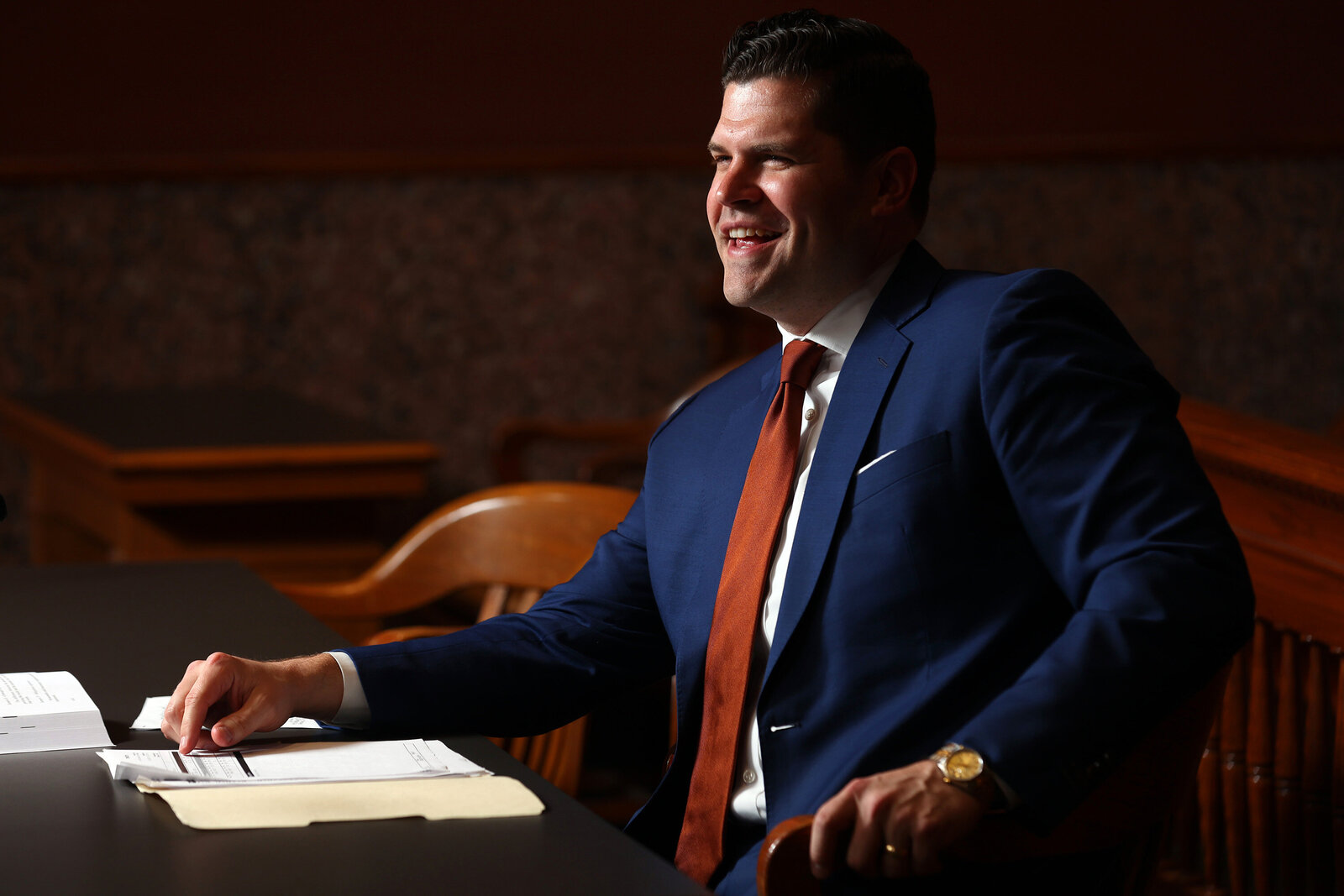
Graham Norris
Principal Attorney & Founder, Norris Legal Group PLLC
Graham Norris is an award-winning criminal defense attorney and former Tarrant County prosecutor with over a decade of courtroom experience. He has earned countless dismissals and not guilty verdicts on charges ranging from misdemeanor assault to felony murder. Graham has been recognized as a National Trial Lawyers Top 40 Under 40 attorney, named a Texas Monthly Super Lawyers Rising Star, and selected as a Top Attorney by Fort Worth Magazine.
Former Assistant District Attorney • Texas A&M School of Law Graduate • Member, National Order of Barristers
Need Legal Help? Call (817) 859-8985





Read the Comments +