


By Graham Norris
If you’ve been arrested for assault in Texas and the alleged victim now wants to drop the charges, you may have heard about an “affidavit of non-prosecution.” Many people believe this document will automatically end their case, but the reality is more complicated.
This guide will break down what an affidavit of non-prosecution can and cannot do, and when it’s time to reach out to a Fort Worth assault defense attorney.
Accused of Assault in Tarrant County?
An accusation is not a conviction. Get a former prosecutor to challenge the case against you now.
Domestic violence • Assault causing bodily injury • Family violence • Protective orders
What Is an Affidavit of Non-Prosecution?
An affidavit of non-prosecution is a sworn statement from the alleged victim in a criminal case stating they do not wish to pursue charges or cooperate with the prosecution. In assault cases—particularly family violence situations—alleged victims often submit these affidavits after reconciling with the accused or realizing their initial report exaggerated what happened.
The affidavit typically includes:
- A statement that the victim does not want charges pursued
- An explanation that the initial report may have been made in anger or fear
- Clarification about what actually happened
- A request that the prosecutor dismiss the case
- The victim’s sworn signature before a notary
According to the Texas Code of Criminal Procedure, while victims have rights in the criminal justice system, the decision to prosecute ultimately rests with the state, not the victim.
What an Affidavit of Non-Prosecution CAN Do
Provides Evidence to the Prosecutor
An affidavit gives prosecutors important information about the victim’s current perspective and willingness to testify. In cases where witness cooperation is essential, this can significantly impact the prosecutor’s decision-making.
May Lead to Case Dismissal
In some circumstances, particularly misdemeanor assault cases without strong independent evidence, prosecutors may dismiss charges when victims refuse to cooperate. This is especially true when:
- The case relies primarily on the victim’s testimony
- There’s no physical evidence or video footage
- The victim’s original statement contained inconsistencies
- The alleged victim was the only witness
Helps Explain Changed Circumstances
The affidavit can clarify that the initial report was made during a heated moment or that facts were misunderstood or exaggerated. Graham Norris notes this approach: “Sometimes the person that’s actually made the complaint or that the accused victim decides that they don’t want the case to move forward. And a lot of times it has to do with the fact that they exaggerated or they said things that weren’t exactly true in the heat of the moment.”
Creates Mitigation for Sentencing
Even if the case isn’t dismissed, an affidavit of non-prosecution can serve as mitigation during plea negotiations or sentencing, potentially resulting in reduced charges or lighter penalties.
What an Affidavit of Non-Prosecution CANNOT Do
It Cannot Force the Prosecutor to Dismiss Charges
This is the most important limitation. In Texas, criminal charges are brought by the state, not by victims. Prosecutors represent the interests of the state and public safety—not individual victims. The prosecutor has complete discretion to continue pursuing charges even when the victim wants them dropped.
It Cannot Override Strong Evidence
When prosecutors have substantial independent evidence, victim cooperation becomes less critical:
- Video or audio recordings of the incident
- Medical records documenting injuries
- Multiple independent witness statements
- Physical evidence like weapons or damaged property
- Defendant’s own statements or admissions
- Police body camera footage
In these cases, prosecutors can—and often do—proceed without the victim’s cooperation.
It Cannot Erase What Happened
The affidavit doesn’t change the facts of the case or make the arrest disappear from your record. Even if charges are eventually dismissed, the arrest remains on your record unless you obtain an expunction.
It Cannot Prevent Subpoenas
Even with an affidavit of non-prosecution, the alleged victim can be subpoenaed to testify. If they refuse, they may be held in contempt of court. Prosecutors sometimes use this leverage to compel testimony despite the victim’s stated wishes.
Want the charges reduced or dismissed?
Let a former prosecutor evaluate weaknesses in the evidence and any self-defense claim.
Text the FirmWhy Prosecutors Often Ignore These Affidavits
Family Violence Policies
Texas prosecutors have adopted strict policies regarding domestic violence and family violence cases. These policies recognize that victims in abusive relationships often recant due to pressure, fear, or economic dependence. According to the National Coalition Against Domestic Violence, victims leave abusive relationships an average of seven times before leaving permanently.
Prosecutors view affidavits of non-prosecution with skepticism in family violence cases, assuming victims may be:
- Under pressure from the defendant
- Financially dependent on the defendant
- Afraid of retaliation
- In denial about the abuse cycle
Evidence-Based Prosecution
Modern prosecution strategies focus on building cases that don’t require victim testimony. This approach, called “evidence-based prosecution,” relies on:
- 911 call recordings capturing the victim’s contemporaneous statements
- Officers’ observations of injuries and demeanor
- Photographs of injuries or property damage
- Medical records and forensic evidence
- Statements to neighbors, friends, or family members
Public Safety Concerns
Prosecutors consider broader public safety implications beyond individual cases. They may proceed with prosecution to:
- Deter future violence
- Establish patterns of behavior for future cases
- Protect victims who may be unable to protect themselves
- Send a message that violence has consequences
The Proper Way to Submit an Affidavit
If an alleged victim decides to submit an affidavit of non-prosecution, doing it correctly maximizes its potential impact.
Work With the Defense Attorney
Graham Norris emphasizes the importance of proper procedure: “Sometimes it’s a process of helping them to correct the record and helping them. We can even assist them in filing an affidavit that would indicate that to the authorities so that we can clear things up.”
The defense attorney can:
- Ensure the affidavit is properly formatted and notarized
- Submit it through appropriate channels to the prosecutor
- Follow up with prosecutor discussions
- Present additional context that supports dismissal
Be Honest and Specific
The affidavit should:
- Honestly explain what happened and what was misunderstood
- Acknowledge if statements were exaggerated in the heat of the moment
- Avoid appearing coerced or pressured
- Be specific about facts rather than just expressing feelings
Don’t Violate No-Contact Orders
This is critical: the victim and defendant cannot coordinate on the affidavit if no-contact orders are in place. Doing so violates bond conditions and can result in new criminal charges for the defendant. All communication must go through attorneys. Learn more about no-contact order restrictions.
Alternatives That May Work Better
Defense Investigation
Rather than relying solely on an affidavit, defense attorneys can conduct independent investigations to gather evidence supporting dismissal:
- Interview witnesses who saw what happened
- Obtain surveillance footage
- Collect phone records or text messages showing context
- Gather medical records that contradict injury claims
Graham Norris explains the comprehensive approach: “We’ve got to gather evidence, we’ve got to show the inconsistencies of what you’re being accused of.”
Victim Impact Statements
In cases proceeding to plea or sentencing, the victim can provide a statement explaining their perspective and requesting leniency. This carries weight even when the case cannot be dismissed.
Pre-Trial Diversion or Deferred Adjudication
When dismissal isn’t possible, alternative resolutions may keep convictions off your record while addressing prosecutor concerns about accountability.
When Affidavits Are Most Effective
Affidavits of non-prosecution have the greatest impact in:
Misdemeanor assault cases (Class C or Class A) without aggravating factors
First-time offenses where the defendant has no criminal history
Cases with weak independent evidence relying primarily on victim testimony
Situations where initial reports were clearly exaggerated and the affidavit provides credible alternative explanations
Non-family violence cases where prosecutors have more flexibility in charging decisions
For context on different charge levels, see our guide on types of assault charges in Texas.
What Happens After Submission
After an affidavit of non-prosecution is submitted:
- Prosecutor Review: The assigned prosecutor reviews the affidavit along with all other case evidence
- Case Discussion: Defense attorney follows up with prosecutor to discuss dismissal
- Prosecutor Decision: The prosecutor decides whether to dismiss, offer a plea deal, or proceed to trial
- Court Action: If dismissed, the defense attorney files for expunction to clear the arrest record
The timeline varies—some cases are dismissed within weeks, while others take months depending on prosecutor workload and case complexity.
Protecting Your Rights Throughout the Process
Whether you’re the person accused or the alleged victim seeking to file an affidavit, experienced legal guidance is essential. Improper handling can make situations worse, including new charges for violating protective orders or bond conditions.
At Norris Legal Group, we help both defendants and cooperating victims navigate this complex process. We understand that assault charges often arise from misunderstandings, exaggerated claims, or heated moments that don’t reflect the full story.
Graham Norris emphasizes treating everyone with respect: “We believe that every person no matter if they’ve made a mistake or not, deserves to be treated with dignity and respect.”
Charged or questioned about assault?
Get a defense strategy before you talk to law enforcement or the DA.
Call (817) 859-8985 Free ConsultationGet Your Free Case Evaluation
If you’re facing assault charges in Fort Worth and the alleged victim wants to file an affidavit of non-prosecution, don’t assume this automatically resolves your case. Proper legal strategy requires understanding prosecutor policies, gathering supporting evidence, and presenting your case effectively.
Call (817) 859-8985 today for a free consultation.
Serving Fort Worth, Arlington, Bedford, Mansfield, Euless, Hurst, Keller, Southlake, and all of Tarrant County.
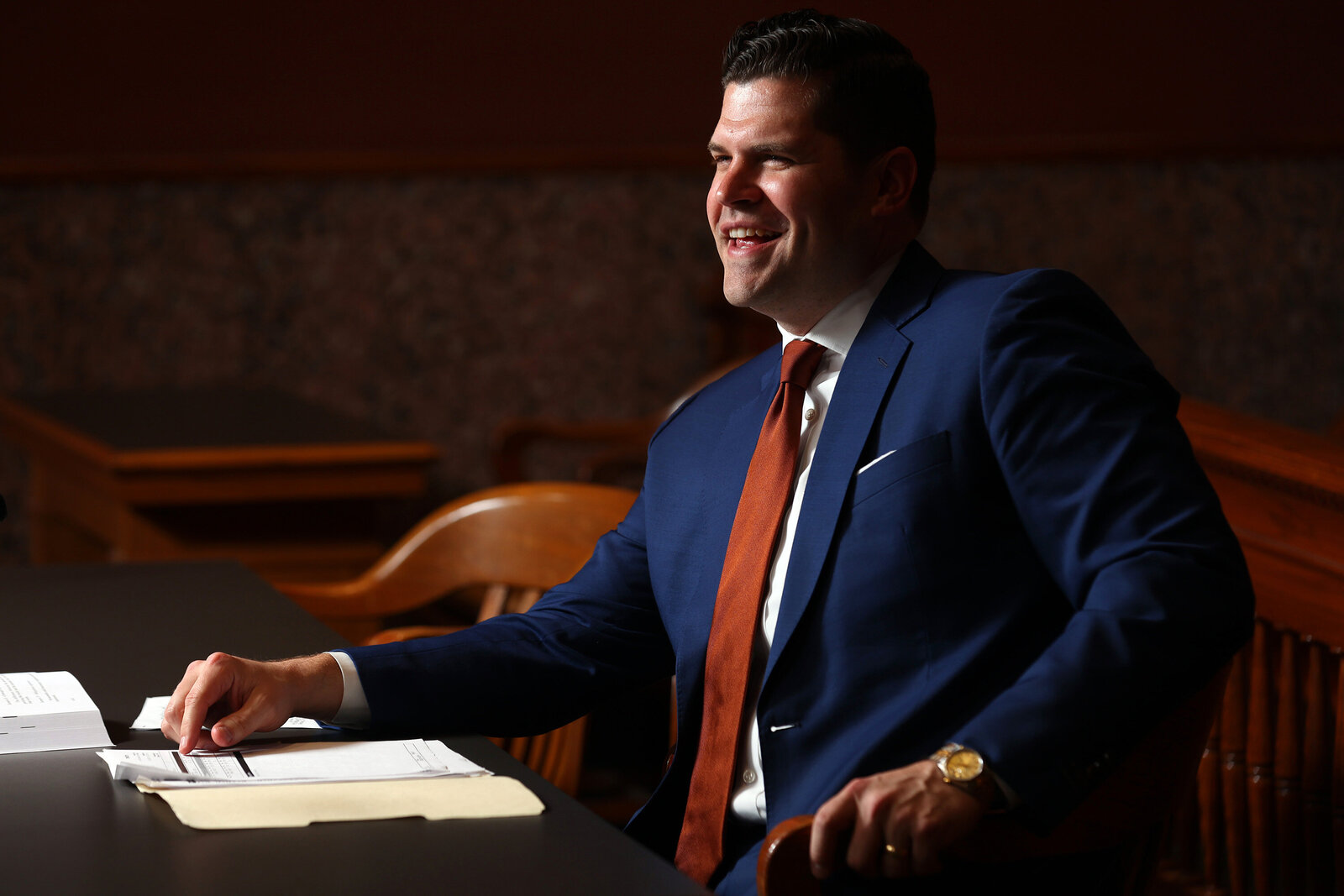
Graham Norris
Principal Attorney & Founder, Norris Legal Group PLLC
Graham Norris is an award-winning criminal defense attorney and former Tarrant County prosecutor with over a decade of courtroom experience. He has earned countless dismissals and not guilty verdicts on charges ranging from misdemeanor assault to felony murder. Graham has been recognized as a National Trial Lawyers Top 40 Under 40 attorney, named a Texas Monthly Super Lawyers Rising Star, and selected as a Top Attorney by Fort Worth Magazine.
Former Assistant District Attorney • Texas A&M School of Law Graduate • Member, National Order of Barristers
Need Legal Help? Call (817) 859-8985





Read the Comments +