

By Graham Norris
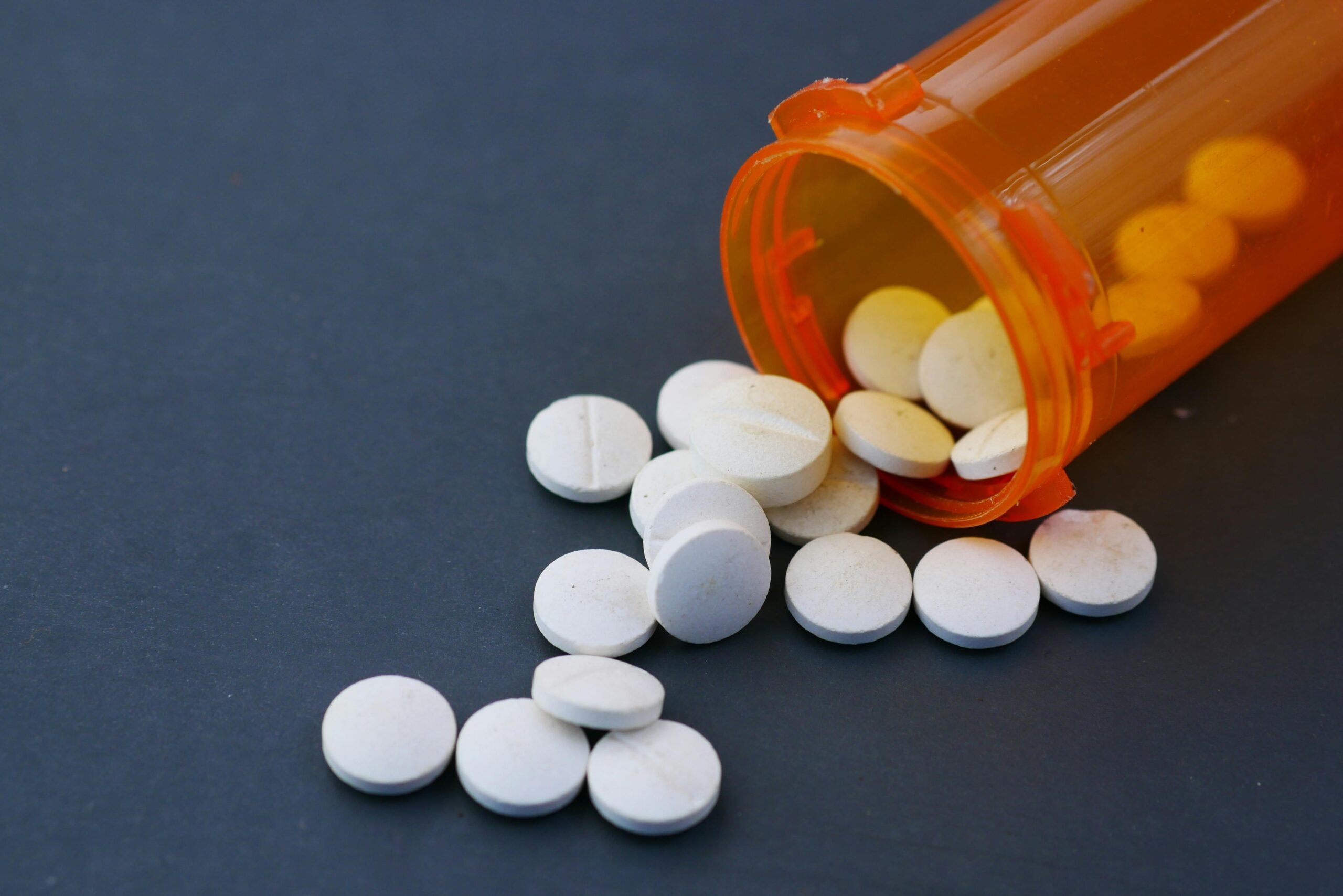
DWI charges in Texas aren’t limited to alcohol. You can be arrested and convicted for driving while impaired by any substance that affects your mental or physical abilities—including legal prescription medications, over-the-counter drugs, and THC from marijuana. These “drugged DWI” cases are becoming increasingly common in Fort Worth and throughout Tarrant County, and they present unique defense challenges.
As an experienced Fort Worth DWI lawyer, I’ve successfully defended clients facing drugged DWI charges involving prescription medications and THC. Here’s what you need to know about how prosecutors prove these cases and the defenses available can make a critical difference in protecting your rights and your future.
Arrested for DWI in Tarrant County?
You have 15 days to fight a license suspension. Talk to a former Tarrant County prosecutor now.
Available 24/7 • Former Prosecutor • 3,600+ cases handled
What Qualifies as Drugged DWI in Texas?
According to Texas Penal Code Section 49.04, you can be charged with DWI if you’ve lost the normal use of your mental or physical faculties due to “the introduction of alcohol, a controlled substance, a drug, a dangerous drug, a combination of two or more of those substances, or any other substance into the body.”
This means DWI charges can result from:
- Prescription medications (painkillers, anxiety medications, sleep aids)
- Over-the-counter drugs (antihistamines, cold medicines)
- Marijuana/THC products
- Illegal drugs (cocaine, methamphetamine, heroin)
- Any combination of substances
The reality is that the way that DWI laws are written in Texas, you can be accused of DWI for any type of substance that you’ve used that alters your mind or your physical faculties.
You don’t need to be “high” or show a specific drug concentration in your blood. Prosecutors only need to prove that the substance impaired your ability to drive safely.
The Challenge of THC DWI Cases in Texas
With changing attitudes toward marijuana and the legalization of hemp-derived products, THC-related DWI cases have become more complex. Texas law doesn’t provide a legal limit for THC concentration like the 0.08% BAC standard for alcohol, making these cases heavily dependent on officer observations and expert testimony.
Detection Problems with THC
Unlike alcohol, THC can remain detectable in your blood for days or even weeks after use, long after any impairing effects have worn off. According to research from the National Institute on Drug Abuse, THC levels in blood don’t correlate reliably with impairment.
This creates a defense opportunity. Just because THC appears in your blood test doesn’t prove you were impaired while driving. You could have used marijuana days earlier when you weren’t driving, and the residual THC in your system has no connection to your driving ability at the time of arrest.
Legal vs. Illegal THC Products
Texas law allows hemp-derived products containing less than 0.3% THC, but any amount of THC can theoretically support a DWI charge if prosecutors can prove impairment. This means even legal CBD products with trace THC could become the basis for DWI charges.
Prescription Medication DWI: When Legal Drugs Lead to Criminal Charges
Taking your prescribed medication as directed doesn’t provide immunity from DWI charges. If your medication impairs your ability to drive safely, you can face the same penalties as someone driving drunk.
Common Prescription Drugs in DWI Cases
Medications frequently involved in drugged DWI cases include:
- Opioid painkillers (hydrocodone, oxycodone, morphine)
- Benzodiazepines (Xanax, Valium, Ativan)
- Sleep medications (Ambien, Lunesta)
- Muscle relaxants
- ADHD medications
- Antidepressants
I once handled a case that illustrates the complexity of prescription drug DWI charges. A lady was accused of driving while intoxicated. But the only thing in her system was prescription drugs that she had been prescribed. She had a bad interaction and actually called the police herself. She was confused and thought that she had lost her grandchildren.
She was not in her right mind and shouldn’t have been driving, but ultimately it was determined she did not have criminal culpability.
How Prosecutors Prove Drugged DWI Cases
Without a bright-line BAC limit, prosecutors must build drugged DWI cases using different evidence:
1. Officer Observations
Police reports typically document:
- Erratic or unsafe driving behavior
- Physical signs of impairment (dilated pupils, slurred speech)
- Confusion or disorientation
- Admissions about drug use
- Performance on field sobriety tests
Field sobriety tests in Texas have limitations, as these tests weren’t designed to detect drug impairment and can be affected by medical conditions unrelated to substance use.
2. Blood Test Results
When officers suspect drug impairment, they typically seek a warrant for a blood draw rather than requesting a breath test. Blood tests can detect a wide range of substances, but as Graham Norris points out: “They’ve got to show that that test was taken in a way that comports with the law so that they had a legal right to take it, that they didn’t violate any of your rights when they took it, and that it was done according to the science.”
Blood test procedures are subject to strict legal requirements and scientific protocols. Problems with collection, storage, or analysis can invalidate results.
3. Drug Recognition Expert (DRE) Testimony
Some cases involve testimony from Drug Recognition Experts—officers with specialized training in identifying drug impairment. DRE evaluations include a 12-step process examining pulse, blood pressure, pupil size, and other physical indicators.
However, DRE testimony is controversial and can be challenged. The training and methods used by DREs may not meet scientific standards for reliability.
4. Expert Witness Testimony
Prosecutors often use toxicologists or pharmacologists to testify about how drugs affect the body and whether the detected drug levels would cause impairment. Defense attorneys counter with their own experts who challenge these conclusions.
Questions about your license or court date?
Get specific advice for your situation before you speak to anyone else.
Text the FirmDefense Strategies for Drugged DWI Cases
At Norris Legal Group, we use multiple strategies to defend drugged DWI charges:
Challenging Drug Test Results
We scrutinize blood test procedures for errors:
- Was the warrant valid?
- Was the blood drawn by qualified personnel?
- Was the proper chain of custody maintained?
- Did the lab follow approved testing protocols?
- Could contamination or degradation have affected results?
Breath and blood tests are not always accurate. Your lawyer will ensure the tests were done correctly and challenge any errors. Problems with calibration, maintenance, or administration can lead to inaccurate results, which can be contested in court.
Proving Lack of Impairment
The presence of drugs in your system doesn’t automatically prove impairment. We present evidence showing:
- Your driving was safe and within normal parameters
- Field sobriety test performance was affected by medical conditions, not drugs
- Video evidence contradicts officer claims of impairment
- The drug levels detected were therapeutic, not impairing
Medical Necessity and Prescription Defense
For prescription medication cases, we gather evidence including:
- Doctor’s testimony about the prescribed medication and dosage
- Medical records documenting the prescription and instructions
- Evidence of adverse drug interactions or medical emergencies
- Expert testimony that proper medication use doesn’t constitute impairment
Timing and Retrograde Analysis
Since drug metabolism varies significantly between individuals, we challenge prosecution claims about when drugs were consumed and whether they were affecting you while driving. This is particularly effective in THC cases where the drug can be detected long after use.
The Importance of the ALR Hearing
Even in drugged DWI cases, the Administrative License Revocation hearing provides strategic advantages. What I always do in these cases is subpoena the arresting officer to appear at that license hearing. Obviously, the goal is to save somebody’s driver’s license. But beyond that, it gives us the opportunity to cross examine that police officer and to sometimes use that testimony in the criminal case.
This early cross-examination can reveal weaknesses in the officer’s observations and lock them into statements before they’ve had time to review all the evidence. Learn more about what happens at an ALR hearing in Texas.
Why You Need an Experienced Attorney
Drugged DWI cases are scientifically and legally complex. They require attorneys who understand pharmacology, toxicology, and the limitations of drug testing. At Norris Legal Group, I combine my prosecutorial experience with meticulous case investigation to challenge every aspect of the state’s evidence.
I believe that every person, no matter if they’ve made a mistake or not, deserves to be treated with dignity and respect. Whether you took prescribed medication as directed, used legal hemp products, or made a mistake, you deserve a defense that treats you as a human being, not just a case number.
Don’t miss the 15-day ALR deadline
Protect your license and your record. Talk to Graham Norris today.
Call (817) 859-8985 Free ConsultationGet Your Free Case Evaluation
If you’re facing drugged DWI charges in Fort Worth or anywhere in Tarrant County, don’t wait to get experienced legal help. The scientific and legal complexities of these cases require immediate attention from an attorney who knows how to fight them.
Call (817) 859-8985 today for a free consultation.
Serving Fort Worth, Arlington, Bedford, Mansfield, Euless, Hurst, Keller, Southlake, and all of Tarrant County.
Graham Norris
Principal Attorney & Founder, Norris Legal Group PLLC
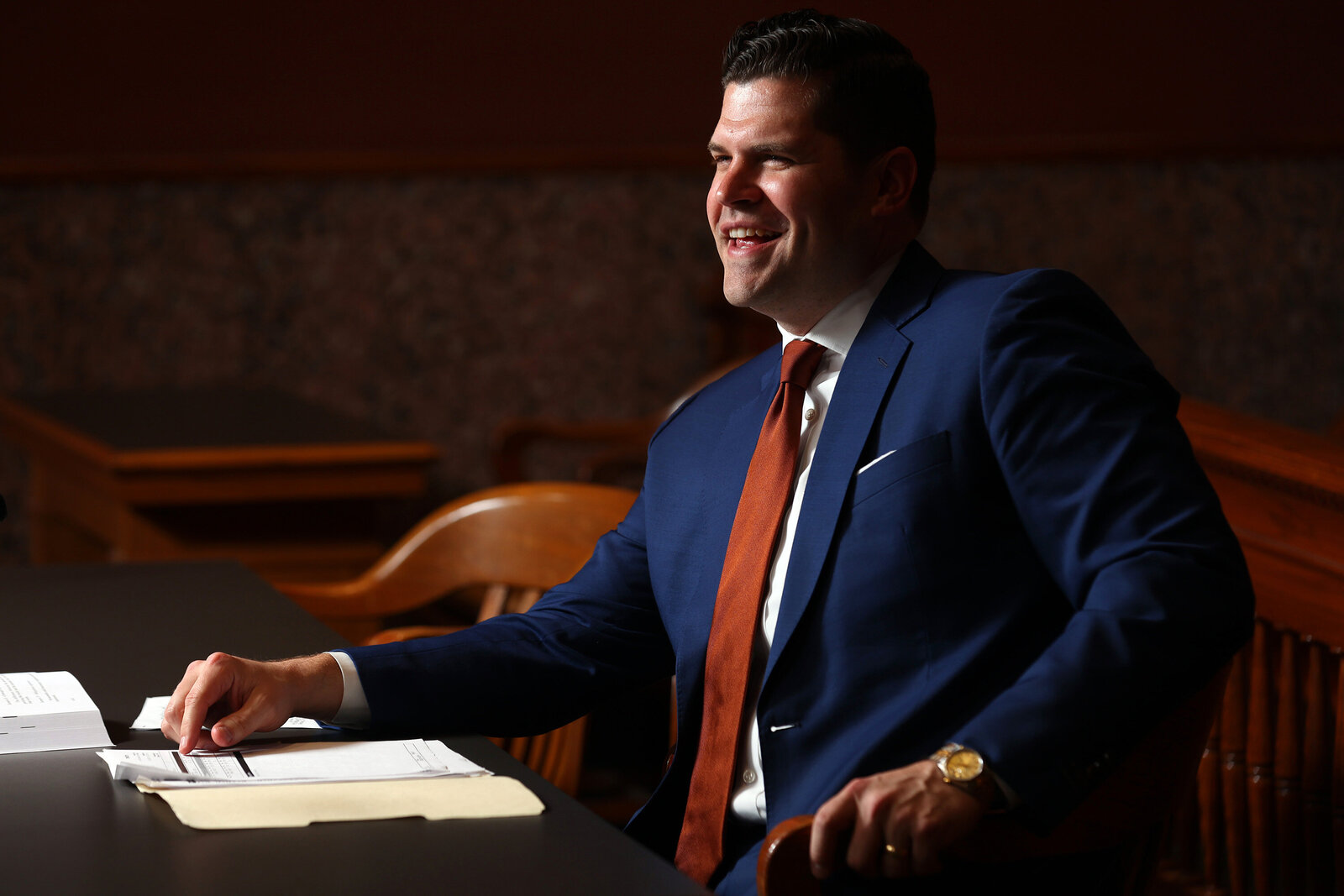
Graham Norris is an award-winning criminal defense attorney and former Tarrant County prosecutor with over a decade of courtroom experience. He has earned countless dismissals and not guilty verdicts on charges ranging from misdemeanor assault to felony murder. Graham has been recognized as a National Trial Lawyers Top 40 Under 40 attorney, named a Texas Monthly Super Lawyers Rising Star, and selected as a Top Attorney by Fort Worth Magazine.
Former Assistant District Attorney • Texas A&M School of Law Graduate • Member, National Order of Barristers
Need Legal Help? Call (817) 859-8985





Read the Comments +