

By Graham Norris
When you’re arrested for assault in Texas, prosecutors don’t just rely on the alleged victim’s testimony. They build cases using 911 recordings, police body camera footage, and witness statements—evidence designed to convict you even if the victim later refuses to cooperate.
This guide breaks down how prosecutors use this evidence and how an experienced Fort Worth assault defense attorney can challenge it, which can make the difference between conviction and dismissal.
Accused of Assault in Tarrant County?
An accusation is not a conviction. Get a former prosecutor to challenge the case against you now.
Domestic violence • Assault causing bodily injury • Family violence • Protective orders
How Prosecutors Build Evidence-Based Assault Cases
Modern prosecutors use “evidence-based prosecution” strategies that don’t depend on victim cooperation. This approach recognizes that victims in family violence cases often recant or refuse to testify, so prosecutors gather independent evidence that can stand alone at trial.
The Three Pillars of Evidence
911 Call Recordings: Capture the victim’s immediate statements and emotional state
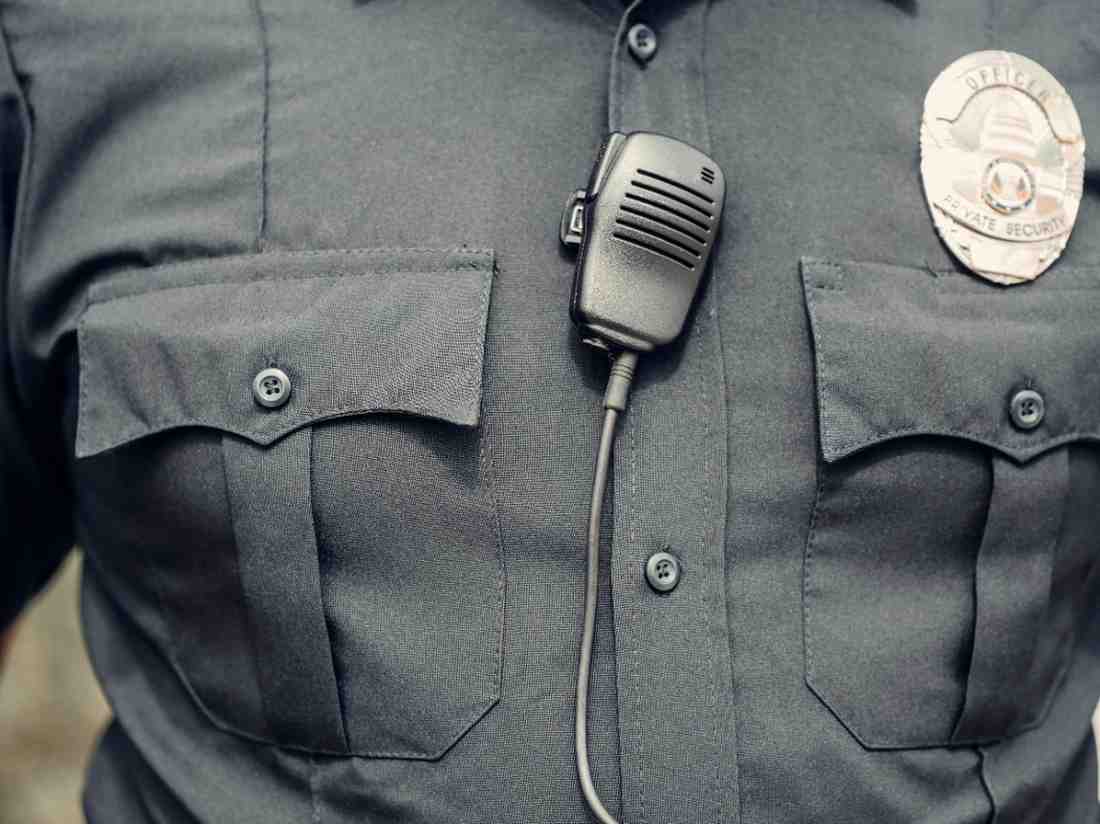
Body Camera Footage: Documents officer observations, injuries, and defendant statements
Witness Statements: Provide third-party accounts of what happened
According to the National Institute of Justice, body-worn cameras have become standard equipment for law enforcement, fundamentally changing how assault cases are prosecuted and defended.
911 Calls: The Prosecutor’s Most Powerful Tool
Why 911 Calls Matter
911 recordings are considered “excited utterances”—statements made in the heat of the moment before someone has time to fabricate a story. Under Texas Rules of Evidence, these statements are often admissible even if the victim later refuses to testify, making them extremely powerful prosecution tools.
Prosecutors use 911 calls to show:
- The victim’s fear and emotional state
- Contemporaneous descriptions of events
- Background sounds (yelling, breaking objects, crying)
- Requests for immediate help
How Defense Attorneys Challenge 911 Calls
Graham Norris emphasizes understanding the full context: “We need to understand your story and understand everything that we can about what really happened and every detail matters in these types of cases.”
Defense strategies for 911 calls include:
Highlighting Exaggerations: People often exaggerate during emergencies. Comparing the 911 description with actual evidence can expose inconsistencies.
Demonstrating Emotional Bias: Fear and anger during calls can lead to inaccurate descriptions. Defense attorneys show how emotions distorted the caller’s perception.
Presenting Context: What happened before the 911 call? Who was the initial aggressor? Full context often changes the narrative.
Identifying Omissions: What didn’t the caller mention that contradicts their later statements?
Body Camera Evidence: A Double-Edged Sword
What Body Cameras Capture
When police arrive at assault scenes, their body cameras record:
- Visible injuries on the alleged victim
- The defendant’s appearance and demeanor
- Property damage and scene conditions
- Spontaneous statements from both parties
- Officer observations and questions
- Background conversations and admissions
This footage provides prosecutors with visual evidence that can be more persuasive than testimony alone.
Why Body Cam Footage Isn’t Always Accurate
Graham Norris cautions about the limitations of video evidence: “Sometimes media or video can be deceiving. And you mentioned the Abilene case, which is a self defense murder case, there was a video, a viral video, and it was helpful but also misleading in some ways.”
Body cameras have critical limitations:
Limited Field of View: Cameras only capture what’s directly in front of the officer, missing crucial context from other angles.
Arrival After the Fact: Officers arrive after the incident, capturing aftermath rather than the actual altercation.
Biased Framing: The officer’s questions and focus naturally bias what’s captured toward building a prosecution case.
Technical Issues: Poor lighting, audio quality, and camera angles can distort what actually happened.
How Defense Attorneys Use Body Cam Against Prosecutors
Rather than fearing body camera evidence, experienced defense attorneys use it strategically. Graham Norris explains the defense approach: “Most DUI/DWI stops are recorded on dash cam and body cam video. Your lawyer will compare the officer’s report with the video footage to find discrepancies. If the officer’s account doesn’t match the video, it can weaken the case against you.”
The same principle applies to assault cases:
Compare Video to Police Reports: Officers often write reports that exaggerate or mischaracterize what video actually shows.
Identify Exculpatory Evidence: Body cameras frequently capture evidence favorable to defendants that officers don’t include in reports.
Show Victim Inconsistencies: Video may show the victim changing their story or contradicting earlier statements.
Demonstrate De-escalation: Footage may show the defendant was calm, cooperative, or trying to defuse the situation.
Reveal Police Misconduct: Improper questioning, rights violations, or leading questions can invalidate statements captured on video.
Want the charges reduced or dismissed?
Let a former prosecutor evaluate weaknesses in the evidence and any self-defense claim.
Text the FirmWitness Statements: The Wild Card
Types of Witnesses in Assault Cases
Witness statements come from:
- Neighbors who heard or saw the incident
- Family members present during the altercation
- Bystanders at public incidents
- Children who witnessed events
- People who arrived immediately after
Prosecutors often rely heavily on witness statements to corroborate victim accounts and fill gaps in other evidence.
Why Witness Statements Are Unreliable
Graham Norris investigates witness credibility thoroughly: “Witness credibility: Your lawyer will investigate the background of witnesses to find any reasons they might not be telling the truth or might be biased.”
Defense attorneys challenge witness statements by exposing:
Bias and Relationships: Does the witness have a relationship with the alleged victim? Are they family members or friends with an agenda?
Inconsistencies: Do witness statements contradict each other or change over time?
Limited Perspective: What could the witness actually see or hear from their vantage point?
Motive to Lie: Does the witness have reasons to fabricate or exaggerate—custody disputes, financial interests, personal grudges?
Poor Memory: How much time passed before they gave statements? Memory degrades quickly.
Understanding different types of assault charges in Texas helps explain why prosecutors work so hard to build these evidence-based cases.
The Defense Strategy: Comparing All Evidence
The most effective assault defense compares all evidence types to identify inconsistencies. Graham Norris describes this meticulous process: “We’ve got to gather evidence on what everyone else’s version of what happened is. We know the truth, but now we need to find out what other people are saying.”
Building Your Defense
Your Story First: Your attorney needs every detail you remember about what happened, who was there, and what the context was.
Gather All Evidence: Police reports, 911 recordings, body camera footage, witness statements, medical records, and any other documentation.
Identify Contradictions: Compare evidence sources to find inconsistencies that undermine the prosecution’s narrative.
Present Context: What led to the incident? Who was the aggressor? What were you defending against?
Provide Alternative Evidence: Text messages, surveillance footage, phone records, and your own witnesses can contradict prosecution evidence.
For more on defending assault charges, see our guide on how to get assault charges dropped.
Common Evidence Mistakes That Hurt Your Case
Talking to Police Without an Attorney: Statements on body camera footage can be devastating at trial, even when you think you’re explaining your side.
Assuming Video Tells the Whole Story: Video that looks bad at first glance often contains exculpatory details when examined closely.
Not Preserving Your Own Evidence: Delete nothing—save all text messages, photos, and videos that provide context.
Failing to Identify Witnesses: Your witnesses matter too. Identify anyone who saw what happened or can provide context.
Why You Need Experienced Legal Representation
Assault cases built on 911 calls, body camera footage, and witness statements require attorneys who know how to dissect evidence and identify weaknesses. Graham Norris brings prosecutorial experience to defense work: “We understand that when you’re accused of a crime, it’s sometimes the worst thing that’s ever happened to you. We take that responsibility really seriously.”
At Norris Legal Group, we:
- Obtain all evidence through formal discovery requests
- Hire experts when needed to analyze video and audio evidence
- Interview witnesses to identify bias and inconsistencies
- Present alternative narratives supported by evidence
- Challenge procedural violations in evidence collection
We believe every person deserves dignity and respect, and we fight to ensure evidence is examined fairly rather than simply accepted at face value.
Charged or questioned about assault?
Get a defense strategy before you talk to law enforcement or the DA.
Call (817) 859-8985 Free ConsultationGet Your Free Case Evaluation
If you’re facing assault charges in Fort Worth, don’t let prosecutors’ evidence go unchallenged. Body camera footage, 911 calls, and witness statements can be powerful—but they can also be misleading, incomplete, or contradictory.
Call (817) 859-8985 today for a free consultation.
Serving Fort Worth, Arlington, Bedford, Mansfield, Euless, Hurst, Keller, Southlake, and all of Tarrant County.
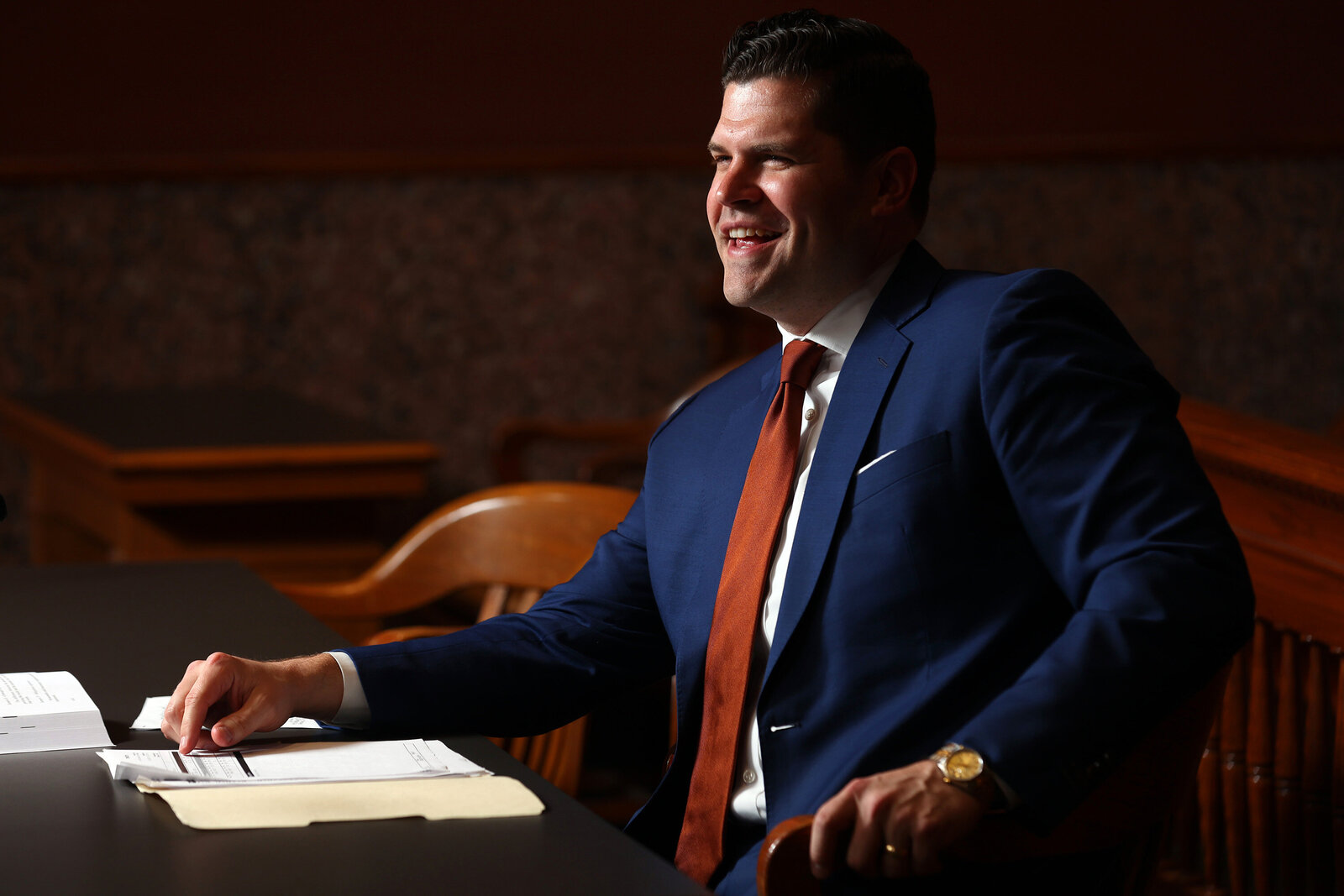
Graham Norris
Principal Attorney & Founder, Norris Legal Group PLLC
Graham Norris is an award-winning criminal defense attorney and former Tarrant County prosecutor with over a decade of courtroom experience. He has earned countless dismissals and not guilty verdicts on charges ranging from misdemeanor assault to felony murder. Graham has been recognized as a National Trial Lawyers Top 40 Under 40 attorney, named a Texas Monthly Super Lawyers Rising Star, and selected as a Top Attorney by Fort Worth Magazine.
Former Assistant District Attorney • Texas A&M School of Law Graduate • Member, National Order of Barristers
Need Legal Help? Call (817) 859-8985




Read the Comments +