


By Graham Norris
A simple assault charge in Texas can escalate dramatically based on specific circumstances—transforming a misdemeanor into a felony or doubling your potential jail time. These triggers can become a life-altering event for people, turning a moment’s decision into a lifetime of regret.
This guide breaks down what assault charge enhancements exist in Texas, when they’re triggered, and when it’s time for a Fort Worth assault defense lawyer.
Accused of Assault in Tarrant County?
An accusation is not a conviction. Get a former prosecutor to challenge the case against you now.
Domestic violence • Assault causing bodily injury • Family violence • Protective orders
How Texas Assault Charges Are Enhanced
Texas law automatically increases assault penalties based on specific factors involving the victim, the method of assault, prior convictions, or the circumstances surrounding the incident. These enhancements can mean the difference between probation and years in prison.
Victim-Based Enhancements
Family Violence Prior Conviction
A first-time family violence assault is typically a Class A misdemeanor (up to one year in jail). However, Graham Norris explains a critical enhancement: “If you have a prior family violence conviction, any new assault charge becomes a third-degree felony, with a range of punishment between 2-10 years in prison and up to a $10,000 fine. This makes the stakes much higher, with potentially life-altering consequences.”
This enhancement applies even if:
- Years have passed since the first conviction
- The prior case involved a different family member
- The new allegation seems minor
Assault Against Public Servants
Assaulting certain government officials automatically elevates charges to felony level:
Peace Officers, Judges, or Emergency Personnel: Third-degree felony (2-10 years) While the Official Is Performing Duties: The enhancement requires the assault occur while they’re working in their official capacity
According to Texas Penal Code Section 22.01(b), this enhancement applies to police officers, firefighters, paramedics, judges, and other public servants.
Assault Against Specific Vulnerable Victims
Certain victims trigger automatic enhancements:
- Elderly individuals (65 or older)
- Disabled individuals
- Pregnant women (if the defendant knew of the pregnancy)
- Security officers
- Process servers
These enhancements reflect Texas’s policy of providing extra protection to vulnerable populations.
Method-Based Enhancements
Choking or Impeding Breath
This is one of the most serious enhancements. Graham Norris explains: “If you are accused of choking or impeding the breath of a family member, it is automatically a third-degree felony with a punishment range of 2-10 years in prison and up to a $10,000 fine. These charges are taken very seriously due to the dangerous nature of the allegations.”
This enhancement applies regardless of whether the alleged victim lost consciousness or suffered visible injuries. The mere act of restricting breathing or blood flow triggers the felony enhancement.
Use of a Deadly Weapon
Using or exhibiting a deadly weapon during an assault creates an aggravated assault charge. Graham Norris describes the scope: “Using or showing a deadly weapon during an assault elevates the charge to a second-degree felony, with a punishment range of 2-20 years in prison, and up to a $10,000 fine. Deadly weapons can include firearms, knives, baseball bats, vehicles, and even fists if used in a deadly manner.”
Understanding what qualifies as a “deadly weapon” is crucial—it’s not limited to guns and knives. Any object used in a manner capable of causing death or serious bodily injury can qualify.
Causing Serious Bodily Injury
When assault results in serious bodily injury—defined as injury creating substantial risk of death, permanent disfigurement, or loss of bodily function—charges automatically become aggravated assault (second-degree felony).
Examples include:
- Broken bones
- Injuries requiring surgery
- Permanent scarring
- Internal injuries
- Head trauma
Pattern-Based Enhancements
Continuous Family Violence
Graham Norris explains this serious enhancement: “If there are two or more incidents of family violence within a 12-month period, it is considered continuous family violence and can be charged as a third-degree felony with a punishment range of 2-10 years in prison and up to a $10,000 fine.”
This enhancement doesn’t require prior convictions—just evidence of two separate incidents within 12 months, even if neither resulted in arrest or prosecution.
Retaliation Against Witnesses
Assaulting someone in retaliation for their involvement in the criminal justice system—as a witness, informant, or victim in another case—triggers enhanced penalties and creates a separate retaliation charge.
For more context on different charge levels, see our article on types of assault charges in Texas.
Want the charges reduced or dismissed?
Let a former prosecutor evaluate weaknesses in the evidence and any self-defense claim.
Text the FirmThe Consequences of Enhanced Charges
Prison vs. Jail
Misdemeanors carry maximum county jail sentences of one year. Felonies result in state prison sentences of two years or more. Prison conditions are harsher, and release timing is controlled by the parole board rather than judges.
Loss of Rights
Felony convictions result in:
- Permanent loss of firearm rights
- Loss of voting rights while incarcerated
- Difficulty obtaining professional licenses
- Barriers to employment and housing
- Immigration consequences for non-citizens
Collateral Consequences
Beyond legal penalties, enhanced charges create:
- Higher bail amounts (or no bail)
- More aggressive prosecution
- Fewer plea bargain options
- Mandatory minimum sentences in some cases
- Lifetime registration requirements for certain offenses
How Defense Attorneys Challenge Enhancements
Graham Norris’s approach focuses on preventing enhancements from being applied: “We’ve got to be very proactive in your defense to ensure that you don’t end up with a felony conviction that really changes your life.”
Challenge the Enhancement Facts
Deadly Weapon Claims: Prove the object wasn’t used as a deadly weapon or wasn’t present
Public Servant Status: Show the alleged victim wasn’t acting in official capacity
Prior Conviction Issues: Challenge whether prior convictions qualify for enhancement
Family Violence Relationship: Dispute whether the legal relationship triggering family violence exists
Demonstrate Self-Defense or Defense of Others
Graham Norris emphasizes: “Use of force can be justified under the law. Often what comes up in assault cases is that you used force, but it was justified under the law.”
Texas self-defense laws allow reasonable force to protect yourself or others. Successfully asserting self-defense can result in complete acquittal, regardless of enhancements. Learn more about self-defense in Texas.
Negotiate Charge Reductions
Even when enhancements technically apply, experienced attorneys negotiate with prosecutors to:
- Reduce felonies to misdemeanors
- Drop enhancement allegations
- Argue for minimum sentences
- Secure deferred adjudication (avoiding conviction)
Challenge Evidence and Procedural Violations
If evidence was obtained through constitutional violations or procedural errors, it may be suppressed. Graham Norris explains: “If the officer didn’t follow proper protocols, the evidence might not be valid or admissible in court.”
When Enhancements Are Most Vulnerable to Challenge
Enhancements can often be defeated when:
- The alleged “deadly weapon” wasn’t actually deadly
- The alleged “serious bodily injury” doesn’t meet the legal definition
- Prior convictions were improperly obtained or don’t qualify
- The relationship between parties doesn’t fit family violence definitions
- The alleged victim in a public servant case wasn’t performing official duties
The Importance of Early Intervention
Graham Norris stresses proactive defense: “Based on what’s happened to this point, we’ve got to make all the right moves from here on out and that’s part of our job is to guide them in what moves need to be made.”
Early intervention allows attorneys to:
- Prevent prosecutors from filing enhanced charges initially
- Gather evidence before it disappears
- Interview witnesses while memories are fresh
- Document injuries and context immediately
- Present mitigating evidence during charging decisions
For information on the overall process, see our guide on how to get assault charges dropped.
What to Do If You’re Facing Enhanced Charges
Don’t Make Statements: Anything you say can be used to prove enhancement factors
Document Everything: Gather evidence about what actually happened, relationships involved, and context
Preserve Evidence: Save text messages, photos, medical records, and witness information
Get Experienced Representation Immediately: Enhanced charges require attorneys who understand how to challenge them
Charged or questioned about assault?
Get a defense strategy before you talk to law enforcement or the DA.
Call (817) 859-8985 Free ConsultationGet Your Free Case Evaluation
Assault charge enhancements can transform your case from a misdemeanor into years in prison. Understanding what triggers these enhancements and how to challenge them requires experienced legal representation.
At Norris Legal Group, we fight to prevent enhancements from being applied and defend vigorously when they are. We believe every person deserves dignity and respect, and we work to ensure the charges you face accurately reflect what actually happened.
Call (817) 859-8985 today for a free consultation.
Serving Fort Worth, Arlington, Bedford, Mansfield, Euless, Hurst, Keller, Southlake, and all of Tarrant County.
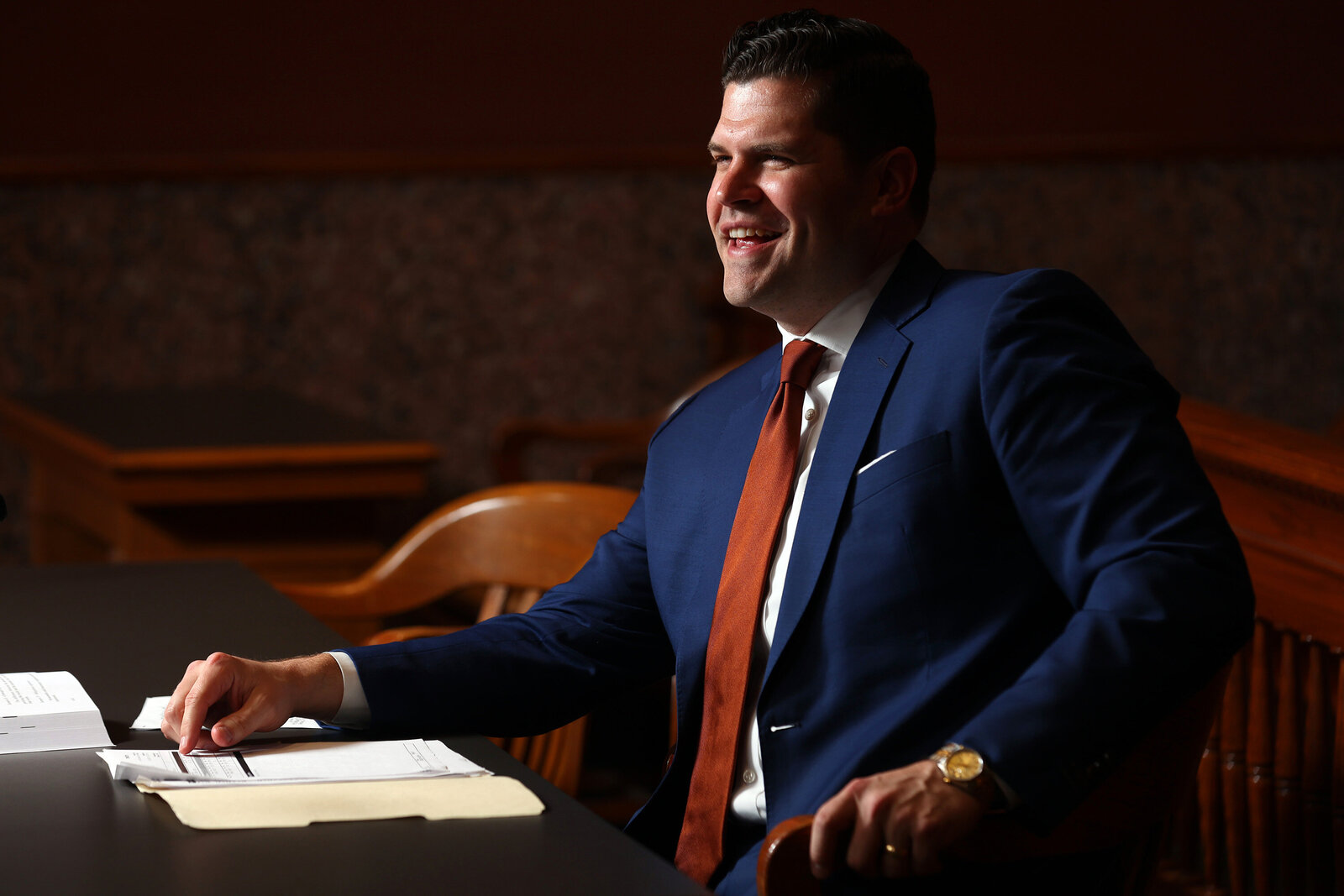
Graham Norris
Principal Attorney & Founder, Norris Legal Group PLLC
Graham Norris is an award-winning criminal defense attorney and former Tarrant County prosecutor with over a decade of courtroom experience. He has earned countless dismissals and not guilty verdicts on charges ranging from misdemeanor assault to felony murder. Graham has been recognized as a National Trial Lawyers Top 40 Under 40 attorney, named a Texas Monthly Super Lawyers Rising Star, and selected as a Top Attorney by Fort Worth Magazine.
Former Assistant District Attorney • Texas A&M School of Law Graduate • Member, National Order of Barristers
Need Legal Help? Call (817) 859-8985





Read the Comments +