


By Graham Norris
A plea offer can feel like a lifeline when a DWI case is stressful, expensive, and uncertain. Many defendants want the fastest path out of court. But the first offer is not always the best offer, and “quick resolution” can carry costs that appear months or years later.
This guide explains how Fort Worth DWI plea deal negotiations typically work, what common outcomes look like, and what rights or strategic options you may give up by pleading too early. It also covers when it may make sense to push for better terms or litigate the case.
Arrested for DWI in Tarrant County?
You have 15 days to fight a license suspension. Talk to a former Tarrant County prosecutor now.
Available 24/7 • Former Prosecutor • 3,600+ cases handled
How DWI plea negotiations usually develop
Most plea discussions are driven by case strength, not just calendar pressure. Prosecutors evaluate video quality, officer credibility, test reliability, criminal history, and any legal suppression issues.
Defense counsel can improve bargaining position by completing discovery review first. When weaknesses are documented, the conversation shifts from “take this deal” to “here is why that offer does not match the evidence.” Knowing how to fight a DWI in Texas gives your lawyer the tools to make that argument credibly.
Common Fort Worth DWI plea deal outcomes
Outcomes vary by facts, county practices, and prior record. Still, several patterns appear in many first-offense cases.
Typical negotiated terms may include:
- DWI conviction with probation conditions
- Alcohol education requirements
- Fines, court costs, and supervision fees
- Community service hours
- Ignition interlock in some cases
- Adjustments to sentencing recommendations based on compliance
The critical point is that two offers can look similar but differ heavily in hidden burden, cost, and long-term impact. For context on what a first offense DWI in Texas typically involves, it helps to understand the full range of possible penalties before evaluating any offer.
Hidden tradeoffs people overlook
The pressure to “put this behind me” can hide practical consequences.
Record impact and future screening
A DWI disposition can affect employment checks, professional licensing, and insurance pricing. The long-term footprint may outlast the immediate court term.
License and mobility consequences
Plea timing may interact with administrative license matters and compliance requirements. Missing deadlines or conditions can create avoidable setbacks. Understanding DWI license suspension in Texas is essential before agreeing to any plea terms that touch on driving privileges.
Waiving litigation leverage
An early plea may close off suppression challenges that could have improved terms or changed the result entirely.
When it may be smarter to fight instead of plead early
Fighting does not always mean going all the way to jury trial. It can mean strategic motion practice, forensic review, and evidence challenges that improve the negotiating range.
Scenario: arrest video is weak, field test instructions are inconsistent, and blood records show chain issues. Quick takeaway: those defects may justify rejecting an early offer and litigating first.
Signs that litigation may be worthwhile:
- Legality concerns about stop, detention, or arrest
- Unreliable field sobriety evidence
- Breath or blood testing documentation gaps
- Material conflicts between report and video
- Weak proof of driving in contested circumstances
How to evaluate an offer like a business decision
A good plea analysis compares risk, cost, and long-term consequences.
Use this framework:
- What is the best realistic trial outcome?
- What is the worst realistic trial outcome?
- What specific evidence increases or lowers trial risk?
- What collateral consequences follow this plea?
- Can targeted motions improve terms before acceptance?
This approach replaces panic with informed decision-making. The vast majority of criminal convictions result from guilty pleas rather than trials — making it critical to evaluate every offer carefully rather than accepting out of convenience.
Mini FAQ on Fort Worth DWI pleas
Is the first plea offer usually final? No. Offers can change after discovery, motions, and case setting developments.
Can you negotiate without a trial date? Yes, but meaningful leverage usually improves when the defense is prepared to litigate.
Does fighting always increase punishment risk? There is risk in any contested case, but informed litigation can also improve outcomes when evidence is weak. A felony DWI attorney in Fort Worth can help assess whether the state’s evidence justifies pushing back on an early offer.
Questions about your license or court date?
Get specific advice for your situation before you speak to anyone else.
Text the FirmHow probation terms can differ more than people expect
Two plea offers might both say “probation,” yet daily burden can differ significantly. One offer might include frequent reporting and strict testing schedules. Another might be structured with fewer in-person requirements if compliance remains strong.
Before accepting, defendants should review each term line by line with counsel, including reporting frequency, interlock duration, travel permissions, and consequences for technical violations. Reviewing Texas probation rules in advance can help you ask the right questions before signing anything.
Financial impact should be calculated in advance
Many people focus on fines only, then get surprised by total cost over time. A realistic estimate should include:
- court costs and statutory fees
- supervision fees
- class and program expenses
- testing costs
- interlock installation and monthly service
- increased insurance expenses
A full estimate helps compare plea options against trial and litigation costs with clear eyes. The Consumer Financial Protection Bureau has documented how criminal justice involvement can create long-term financial strain well beyond initial fines — a reality worth factoring into any plea decision.
Signs a plea offer may improve with additional work
Offers may improve when defense counsel can present clean mitigation and targeted legal challenges. Evidence of stable employment, proactive treatment, and documented compliance often matters more when paired with concrete proof issues in the state’s case.
Final pre-decision checklist before your next court date
Before your next setting, make sure your strategy is evidence-based and deadline-safe. Confirm what has been requested, what has been produced, and what remains missing. Keep a written list of open questions for counsel and update it after each hearing.
Use a simple pre-court checklist:
- verify all court dates, reporting dates, and compliance requirements
- organize key records in one folder with date labels
- identify contradictions between official reports and objective records
- avoid off-record communications that can create new evidence problems
- review best-case, worst-case, and most-likely outcomes with counsel
This disciplined approach reduces panic decisions and helps you protect leverage at each stage of the case.
Don’t miss the 15-day ALR deadline
Protect your license and your record. Talk to Graham Norris today.
Call (817) 859-8985 Free ConsultationWhat to Weigh Before You Agree to Anything
A Fort Worth DWI plea deal can be a good resolution in the right case, but speed should never replace strategy. Before accepting terms, weigh record impact, license consequences, and the value of unresolved defenses. The best decisions come after full discovery review and a realistic assessment of whether the state can prove its case.
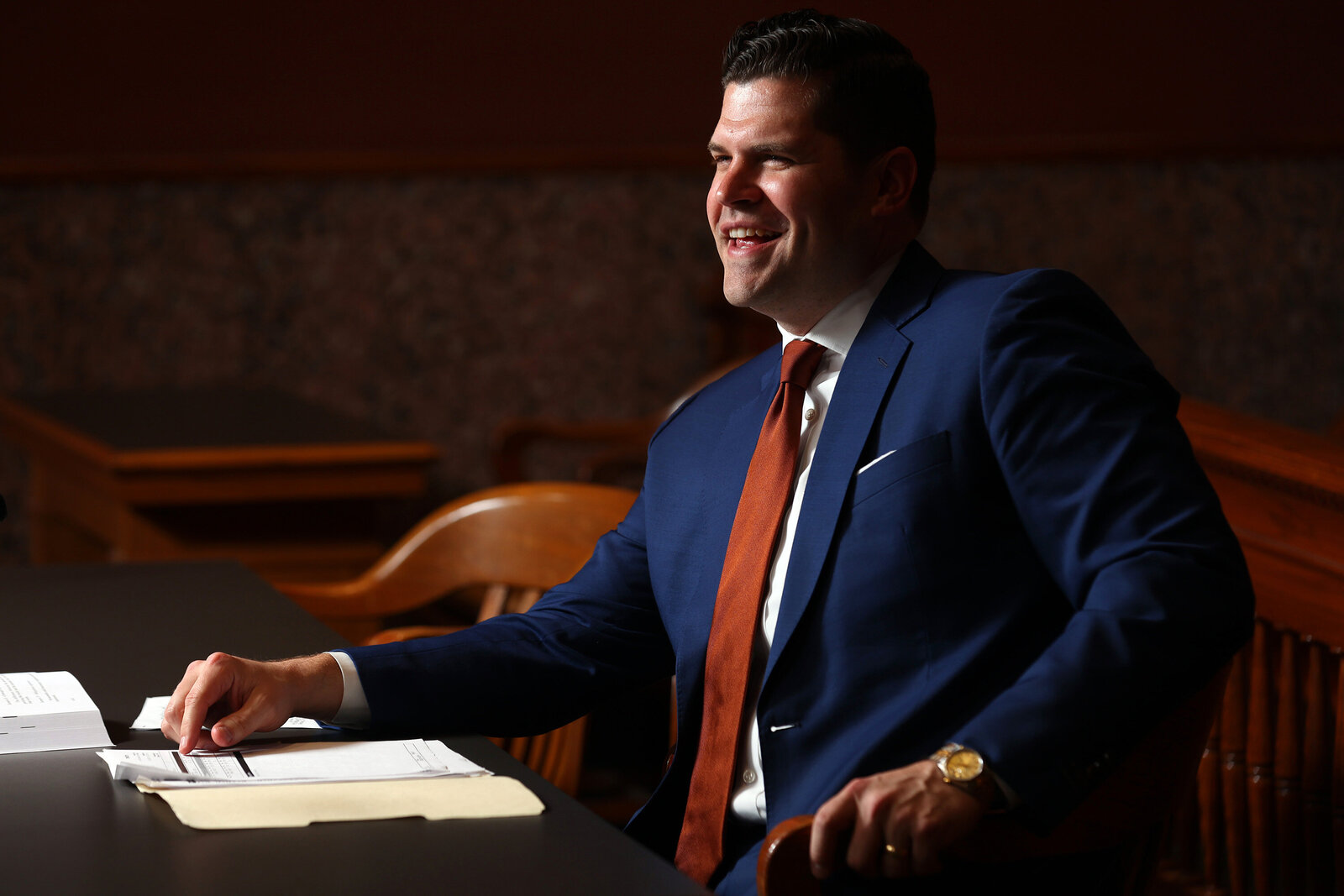
Graham Norris
Principal Attorney & Founder, Norris Legal Group PLLC
Graham Norris is an award-winning criminal defense attorney and former Tarrant County prosecutor with over a decade of courtroom experience. He has earned countless dismissals and not guilty verdicts on charges ranging from misdemeanor assault to felony murder. Graham has been recognized as a National Trial Lawyers Top 40 Under 40 attorney, named a Texas Monthly Super Lawyers Rising Star, and selected as a Top Attorney by Fort Worth Magazine.
Former Assistant District Attorney • Texas A&M School of Law Graduate • Member, National Order of Barristers
Need Legal Help? Call (817) 859-8985





Read the Comments +