


By Graham Norris
A Texas arrest can follow you home faster than most people expect. If you are visiting Fort Worth and get arrested for DWI, your case does not stay confined to one county courthouse. Licensing systems, state reporting channels, and administrative deadlines can create consequences in two states at once.
This guide explains what often happens after an out-of-state DWI arrest in Texas, how your home state may respond, and why early legal action can reduce avoidable damage to your driving privileges.
Arrested for DWI in Tarrant County?
You have 15 days to fight a license suspension. Talk to a former Tarrant County prosecutor now.
Available 24/7 • Former Prosecutor • 3,600+ cases handled
Two tracks start immediately: criminal case and license fallout
After arrest, most defendants focus on the criminal charge. But license consequences can begin on a separate timeline. In many situations, you face one process in Texas court and another administrative process tied to your home-state license.
Those tracks can interact. Delay or inaction in one track can limit options in the other. This is why knowing what happens at an ALR hearing in Texas is critical — the administrative license revocation process runs on its own clock, independent of criminal proceedings.
How Texas reporting can reach your home state
States share certain driving and conviction information through interstate systems. Exact timing varies, but a Texas DWI event can be reported in ways that trigger review by your licensing state.
What that can mean in practice:
- Home-state agency opens a reciprocal action review
- Notice requirements and response deadlines are issued
- Suspension or restriction rules are applied under home-state law
- Reinstatement steps may depend on both Texas and home-state compliance
Because each state’s rules differ, the same Texas arrest can produce very different outcomes depending on where your license is issued. According to the Governors Highway Safety Association, most states participate in interstate compacts that require sharing of DWI conviction data, meaning a Texas disposition rarely stays local.
Why fast action in Texas still matters if you live elsewhere
Some out-of-state drivers assume they can handle everything once they return home. That is a common mistake. Early Texas case management can shape later license consequences.
Preserve hearing and deadline rights
Missing early deadlines may forfeit procedural options that could have reduced license impact. DWI license suspension in Texas involves strict timelines — missing the window to request a hearing can mean automatic suspension with no opportunity to contest it.
Build a clean record for reciprocal review
Accurate documents, corrected errors, and proactive compliance can matter when your home state evaluates action.
Coordinate strategy across jurisdictions
A Texas defense plan should account for how dispositions may be interpreted by your licensing state.
Practical compliance risks people miss
Scenario: a driver resolves the Texas criminal case but ignores home-state mail while traveling for work. Weeks later, the home-state license is suspended for non-response. Quick takeaway: closure in one state does not guarantee closure in the other.
High-risk mistakes include:
- Ignoring mailed notices from either state
- Assuming court dates can be skipped without counsel arrangements
- Failing to track reinstatement requirements
- Treating administrative and criminal matters as unrelated
How defense counsel helps out-of-state drivers
A strong defense approach is logistical as well as legal. Counsel can help reduce missed deadlines, preserve records, and align next steps with your broader goals.
Common defense tasks include:
- Calendar and protect hearing deadlines
- Obtain full Texas case records early
- Identify reporting and reciprocal-risk issues
- Negotiate case strategy with future license effects in mind
- Coordinate with home-state counsel when needed
This coordination can prevent avoidable penalties that come from fragmented handling. A felony DWI attorney in Fort Worth who regularly handles out-of-state clients will already have systems in place for managing these dual-track cases.
Mini FAQ: out-of-state DWI Texas license concerns
Will my home state always suspend my license after a Texas arrest? Not always. Outcomes depend on home-state law, case status, and response actions.
Can I just handle this after I get back home? Waiting often reduces options. Early action is usually safer.
Do I need Texas counsel if I do not live in Texas? In most cases, local counsel helps manage court process, records, and jurisdiction-specific strategy.
Travel logistics and court appearance planning
Out-of-state defendants often face practical barriers: work travel, distance, and unfamiliar local procedure. A clear appearance plan with counsel can reduce defaults and missed settings.
Important planning steps include:
- verify which hearings require personal appearance
- keep copies of all orders while traveling
- monitor court notices through multiple channels
- confirm compliance documentation is submitted on time
Questions about your license or court date?
Get specific advice for your situation before you speak to anyone else.
Text the FirmWhy documentation quality matters across two agencies
When Texas records contain errors, those errors may carry into home-state review. Correcting mistakes early can prevent unnecessary reciprocal action.
Defendants should keep a complete file of court orders, compliance certificates, payment receipts, and correspondence. Organized documentation helps resolve disputes quickly if licensing agencies request proof months later. The Texas Department of Public Safety is the agency responsible for license actions on the Texas side — keeping direct records of any correspondence with them is essential.
Communication mistakes that create avoidable setbacks
Calling agencies without a clear factual record can lead to inconsistent statements. It is usually better to coordinate communications through counsel when possible, especially on issues that may affect both criminal and administrative posture. This is especially important when refusing a sobriety test is part of the arrest record, as that refusal can complicate both the criminal and administrative tracks.
Final pre-decision checklist before your next court date
Before your next setting, make sure your strategy is evidence-based and deadline-safe. Confirm what has been requested, what has been produced, and what remains missing. Keep a written list of open questions for counsel and update it after each hearing.
Use a simple pre-court checklist:
- verify all court dates, reporting dates, and compliance requirements
- organize key records in one folder with date labels
- identify contradictions between official reports and objective records
- avoid off-record communications that can create new evidence problems
- review best-case, worst-case, and most-likely outcomes with counsel
This disciplined approach reduces panic decisions and helps you protect leverage at each stage of the case.
Don’t miss the 15-day ALR deadline
Protect your license and your record. Talk to Graham Norris today.
Call (817) 859-8985 Free ConsultationManaging Both States Before the Problem Grows
An out of state DWI Texas license problem is usually a two-state issue, not a single Texas court event. Quick action on deadlines, records, and coordinated strategy can limit long-term fallout. The earlier you manage both the criminal and administrative tracks, the better your chance of protecting your right to drive.
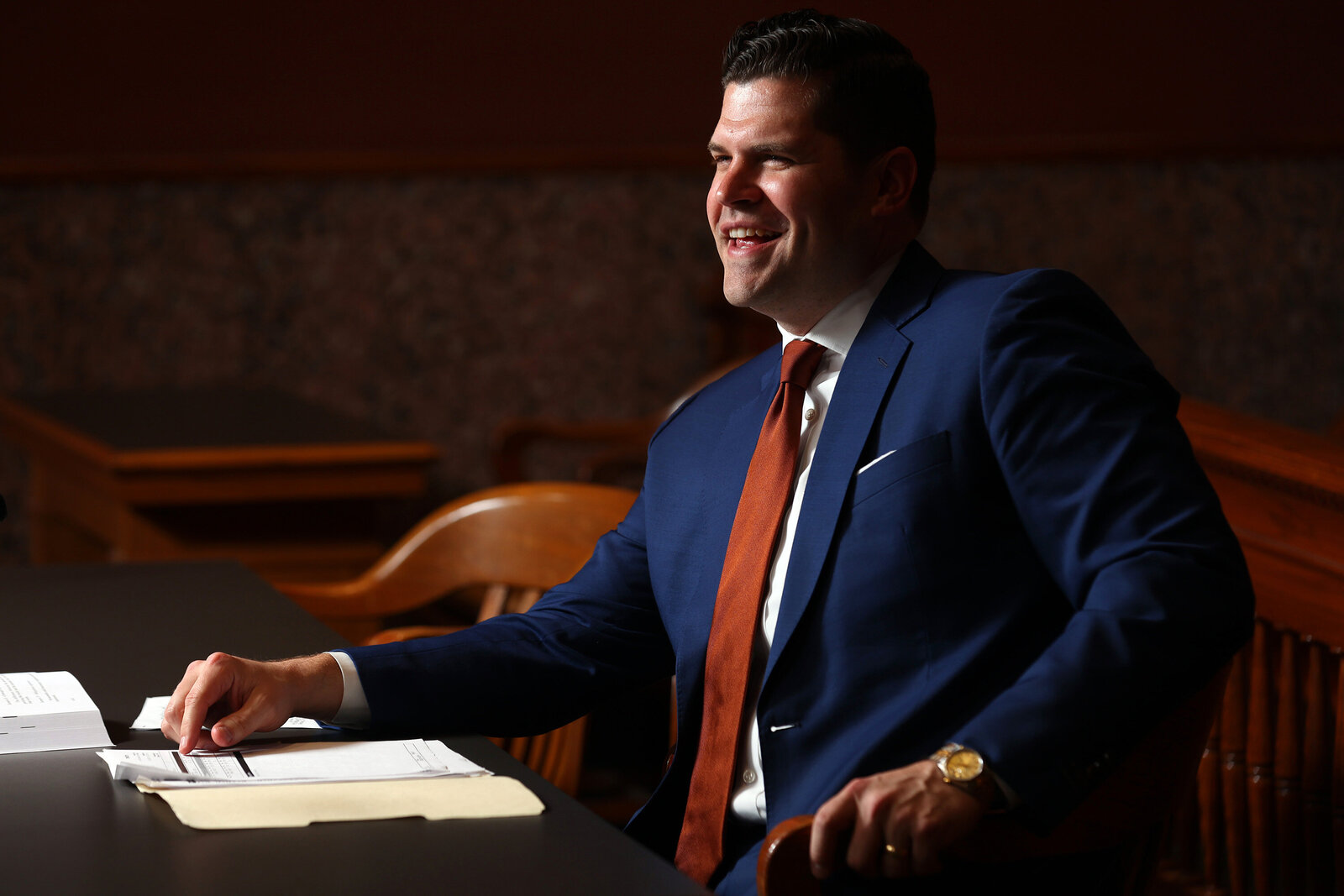
Graham Norris
Principal Attorney & Founder, Norris Legal Group PLLC
Graham Norris is an award-winning criminal defense attorney and former Tarrant County prosecutor with over a decade of courtroom experience. He has earned countless dismissals and not guilty verdicts on charges ranging from misdemeanor assault to felony murder. Graham has been recognized as a National Trial Lawyers Top 40 Under 40 attorney, named a Texas Monthly Super Lawyers Rising Star, and selected as a Top Attorney by Fort Worth Magazine.
Former Assistant District Attorney • Texas A&M School of Law Graduate • Member, National Order of Barristers
Need Legal Help? Call (817) 859-8985





Read the Comments +