


By Graham Norris
In Texas assault cases, the phrase “bodily injury” has a broad legal meaning. People are often surprised to learn that prosecutors may file charges even when injuries seem minor, short-lived, or disputed. That broad definition is one reason assault cases can move forward on thin factual records.
This article explains the Texas assault bodily injury definition, what evidence prosecutors rely on, and how defense lawyers challenge injury claims, causation, and credibility when the facts do not match the allegation.
Accused of Assault in Tarrant County?
An accusation is not a conviction. Get a former prosecutor to challenge the case against you now.
Domestic violence • Assault causing bodily injury • Family violence • Protective orders
What counts as bodily injury under Texas law in practice
In practical courtroom terms, bodily injury can include physical pain, illness, or impairment of physical condition. That can cover injuries ranging from obvious wounds to less visible complaints.
Because the threshold can be low, the legal fight often centers on proof quality: did an injury occur, what caused it, how severe was it, and how reliable are the sources making that claim? The Texas Penal Code on assault sets out the full statutory language, which defense counsel will analyze closely when evaluating how injury claims apply to the specific facts of a case.
Evidence prosecutors commonly use in bodily injury assault cases
The state may rely on a mix of direct and indirect evidence. Not every case includes all categories.
Frequent evidence sources include:
- Complaining witness statements
- Officer observations in reports and body-cam video
- Photographs of marks, redness, or swelling
- Medical records and triage notes
- 911 recordings and scene audio
- Text messages sent before or after the event
The presence of evidence is not the same as strength of evidence. Each source must be tested for timing, context, and consistency.
How minor injuries get framed in court
A small bruise or brief pain complaint can still be argued as bodily injury. Prosecutors may emphasize emotional tone, immediate reporting, and corroborating images to strengthen a narrative.
Timing and symptom evolution
Some marks appear later, while others fade quickly. Timing can help or hurt either side, depending on documentation quality.
Language in medical records
Clinical notes may reflect what a patient reported, not independent confirmation of cause. That distinction is critical in contested cases. According to the CDC’s National Center for Health Statistics, medical coding systems are designed for treatment purposes, not legal causation determinations — a fact that becomes relevant when prosecutors attempt to use clinical records as proof of assault.
Officer interpretation versus objective proof
An officer may describe an injury confidently, but video and photos may show less than the report suggests.
Challenging causation: injury versus incident
One of the strongest defense themes is causation. Even if an injury exists, the state still must connect it to the charged conduct.
Scenario: a complainant reports arm pain after an argument, but records show prior shoulder treatment and no clear acute findings at examination. Quick takeaway: the defense can argue the state failed to prove this defendant caused this injury at this time.
Defense causation challenges often focus on:
- Preexisting conditions
- Alternative causes
- Delayed reporting gaps
- Inconsistent mechanism descriptions
- Lack of objective findings matching the allegation
This approach is closely related to how assault charges can be challenged and potentially dropped — causation gaps are among the most effective tools for weakening the state’s case.
Credibility and consistency still drive outcomes
Assault cases can rise or fall on witness reliability. If statements change across 911 calls, officer interviews, and later testimony, jurors may question key facts.
Defense lawyers may compare:
- Initial statements versus later versions
- Medical descriptions versus scene descriptions
- Video behavior versus claimed fear or injury level
- Motive factors such as custody, relationship conflict, or retaliation
This comparison helps separate verified facts from post-incident narrative shaping. Cases involving false accusations often follow this exact pattern, where early inconsistencies reveal a complainant’s account that shifted significantly between the initial report and later testimony.
Want the charges reduced or dismissed?
Let a former prosecutor evaluate weaknesses in the evidence and any self-defense claim.
Text the FirmMini FAQ on bodily injury assault proof
Can pain alone support a charge? In some cases, yes, but credibility and corroboration still matter.
Do medical records always prove assault? No. Records can document symptoms without conclusively proving cause.
Can a case proceed without visible injury photos? Yes, though absence of objective evidence may affect weight and negotiation leverage.
Medical records: useful evidence, but not automatic proof
Medical documentation can strengthen a case, but it is rarely self-executing. Records may contain patient-reported histories, provisional impressions, and coding language that does not answer legal causation questions.
Defense review often separates what was observed directly from what was reported by a participant. That distinction can reduce the weight of records that appear strong at first glance.
Cross-examination themes in bodily injury disputes
Effective questioning may focus on:
- whether pain reports were consistent over time
- whether exam findings matched the alleged mechanism
- whether imaging or objective tests confirmed injury
- whether alternate causes were investigated
These themes can narrow broad allegations into specific proof questions the state must answer.
Building a defense narrative without overclaiming
Jurors respond to realistic, evidence-based explanations. The defense does not need to prove a perfect alternative story. It often needs to show that the prosecution version leaves significant gaps in causation, reliability, or witness consistency. An aggravated assault defense attorney will apply this same framework — building a precise, evidence-based counter-narrative rather than making broad denials that jurors are unlikely to accept.
Final pre-decision checklist before your next court date
Before your next setting, make sure your strategy is evidence-based and deadline-safe. Confirm what has been requested, what has been produced, and what remains missing. Keep a written list of open questions for counsel and update it after each hearing.
Use a simple pre-court checklist:
- verify all court dates, reporting dates, and compliance requirements
- organize key records in one folder with date labels
- identify contradictions between official reports and objective records
- avoid off-record communications that can create new evidence problems
- review best-case, worst-case, and most-likely outcomes with counsel
This disciplined approach reduces panic decisions and helps you protect leverage at each stage of the case.
Charged or questioned about assault?
Get a defense strategy before you talk to law enforcement or the DA.
Call (817) 859-8985 Free ConsultationWhy Evidence Quality Determines the Outcome
The Texas assault bodily injury definition is broad enough that even minor injury claims can support charges, which makes evidence review essential. Prosecutors may rely on photos, medical notes, and statements, but those sources can be challenged on causation, timing, and consistency. A focused defense approach tests every link between the allegation and the proof.
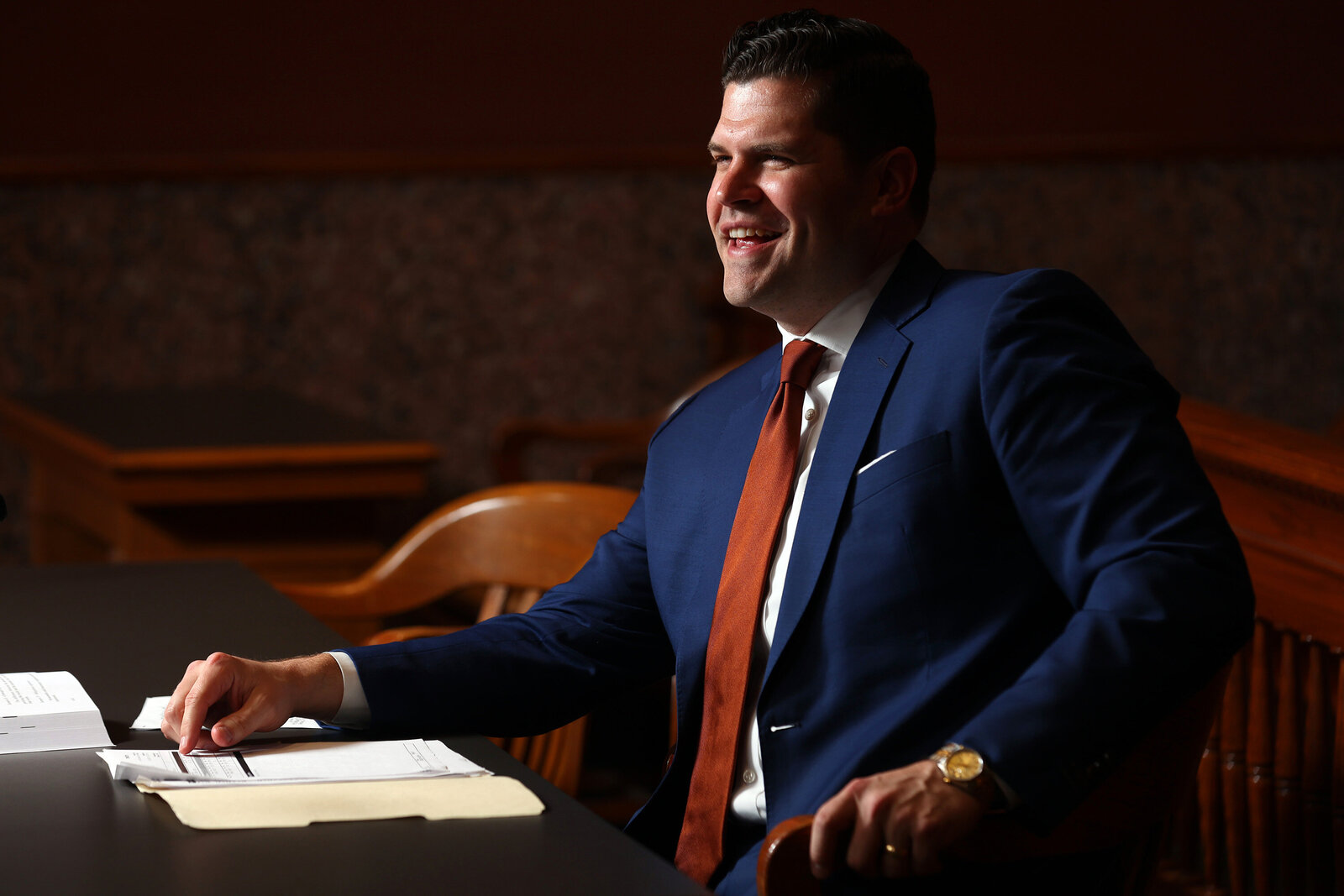
Graham Norris
Principal Attorney & Founder, Norris Legal Group PLLC
Graham Norris is an award-winning criminal defense attorney and former Tarrant County prosecutor with over a decade of courtroom experience. He has earned countless dismissals and not guilty verdicts on charges ranging from misdemeanor assault to felony murder. Graham has been recognized as a National Trial Lawyers Top 40 Under 40 attorney, named a Texas Monthly Super Lawyers Rising Star, and selected as a Top Attorney by Fort Worth Magazine.
Former Assistant District Attorney • Texas A&M School of Law Graduate • Member, National Order of Barristers
Need Legal Help? Call (817) 859-8985





Read the Comments +