

By Graham Norris
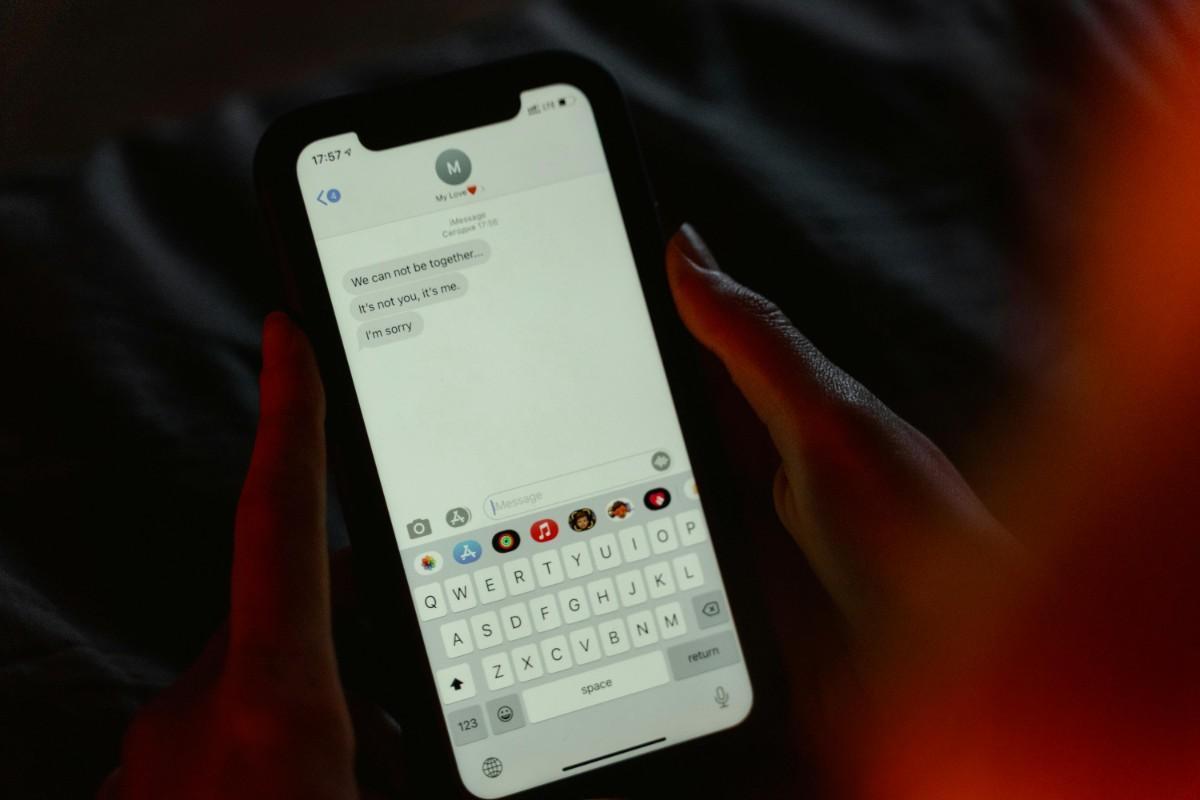
In many assault investigations, the most important evidence is not from the scene. It is on phones. Text threads, direct messages, call logs, and social posts can shape charging decisions before a jury ever sees the case. A short message can be framed as a threat, an apology, or proof of fear depending on context.
This article explains how text messages evidence assault Texas prosecutors build, where misinterpretations happen, and how defense lawyers use full conversation context, metadata, and timeline analysis to challenge misleading digital narratives.
Accused of Assault in Tarrant County?
An accusation is not a conviction. Get a former prosecutor to challenge the case against you now.
Domestic violence • Assault causing bodily injury • Family violence • Protective orders
Why digital evidence matters so much in assault cases
Phones capture language people would never put in a formal statement. That candid tone can help either side. Prosecutors may use messages to show motive, intent, consciousness of guilt, or witness intimidation.
Defense counsel can use the same records to show provocation, sarcasm, reconciliation context, or selective quoting by investigators. This dynamic plays a central role in cases involving false accusations, where a complete message thread often tells a very different story than the excerpts a complainant chooses to share with police.
What prosecutors typically look for in messages and posts
Not every message is equally important. The state usually focuses on communications close in time to the alleged incident.
Common prosecution targets include:
- Threat-like language before the event
- Admissions or apologies after the event
- Requests to “drop charges” that can be framed as pressure
- Posts suggesting anger, jealousy, or retaliation motive
- Deleted or edited content that raises suspicion
The legal battle often turns on what is missing around those excerpts.
How digital evidence gets misread
Texts are vulnerable to misinterpretation because tone is hard to infer. Slang, sarcasm, jokes, and relationship-specific language can be taken literally.
Selective screenshot problem
A cropped screenshot may hide earlier messages that explain tone or trigger.
Time-zone and timestamp confusion
Exported records can show different time formats. Wrong assumptions can distort sequence.
Identity and account access disputes
Shared devices or account access by others can create authorship questions. Proper digital forensic procedures require preserving original metadata and chain of custody — shortcuts in evidence collection can create legitimate grounds to challenge authenticity.
Defense methods for restoring context
Scenario: prosecution highlights “I’m going to get you tonight.” Full thread shows it was part of a mutual argument about retrieving property, followed by de-escalation and plans to meet with friends present. Quick takeaway: isolated language can sound criminal when context suggests conflict but not assault intent.
A defense digital review may include:
- Full-thread extraction instead of selective screenshots
- Metadata analysis for send times and edits
- Cross-reference with call logs and location data
- Device-forensic review in disputed authorship cases
- Timeline charts aligning digital records with witness accounts
These steps help factfinders see communication as it occurred, not as a clipped exhibit. This kind of thorough review is also central to how assault charges can be challenged and dropped — digital context gaps are among the most effective tools for undermining a prosecution narrative.
Want the charges reduced or dismissed?
Let a former prosecutor evaluate weaknesses in the evidence and any self-defense claim.
Text the FirmPractical do-and-don’t rules after an assault allegation
Digital conduct after arrest can strongly affect case posture.
Do:
- Preserve all messages and call records
- Save cloud backups and account access logs
- Follow all no-contact orders strictly
Don’t:
- Delete, edit, or “clean up” conversations
- Post case commentary on social media
- Ask friends to contact witnesses on your behalf
These choices can prevent new accusations and preserve defensible evidence.
Mini FAQ on text evidence in Texas assault cases
Can screenshots alone be enough evidence? Sometimes, but reliability and completeness are frequent litigation issues.
Can deleted messages still be recovered? In some cases, yes, depending on backups and forensic methods.
Are private DMs protected from court use? Private does not mean immune. Messages can still become evidence through lawful process.
Authentication issues: proving who sent what
Before digital evidence is persuasive, it must be linked to a person and a time. Device ownership alone may not resolve authorship where multiple users had access.
Defense counsel may question whether passcodes were shared, whether account sessions were active on multiple devices, and whether exported records preserve original headers. These authentication questions are particularly relevant in domestic violence cases, where shared devices and accounts are common and authorship disputes arise frequently.
Sequence analysis can change meaning
Message meaning often depends on what happened immediately before and after. A statement that sounds threatening in isolation can read as defensive when paired with incoming threats, missed calls, and de-escalation attempts.
Timeline charts that combine messages, calls, and location data can help judges and juries evaluate intent more accurately. The Texas Rules of Evidence govern how digital records are admitted and what foundation must be laid — a detail that shapes how defense counsel structures authentication challenges in court.
Preparing digital exhibits for court
Digital evidence should be presented in a clean format. Best practice includes clear exhibit numbering, full-thread excerpts with date markers, and a short explanation of why each exhibit matters to a specific contested issue.
Organization helps the court focus on substance instead of technical confusion. An aggravated assault defense attorney will apply this same discipline when preparing digital exhibits — ensuring the full communication record is before the court rather than the selective version the prosecution prefers.
Final pre-decision checklist before your next court date
Before your next setting, make sure your strategy is evidence-based and deadline-safe. Confirm what has been requested, what has been produced, and what remains missing. Keep a written list of open questions for counsel and update it after each hearing.
Use a simple pre-court checklist:
- verify all court dates, reporting dates, and compliance requirements
- organize key records in one folder with date labels
- identify contradictions between official reports and objective records
- avoid off-record communications that can create new evidence problems
- review best-case, worst-case, and most-likely outcomes with counsel
This disciplined approach reduces panic decisions and helps you protect leverage at each stage of the case.
Charged or questioned about assault?
Get a defense strategy before you talk to law enforcement or the DA.
Call (817) 859-8985 Free ConsultationWhat the Full Record Actually Shows
Text messages evidence assault Texas cases can be powerful, but raw messages do not speak for themselves. Meaning depends on full context, timing, and source reliability. A disciplined defense strategy preserves digital records early, challenges selective interpretation, and presents the complete communication history that jurors need to evaluate fairly.
Graham Norris
Principal Attorney & Founder, Norris Legal Group PLLC
Graham Norris is an award-winning criminal defense attorney and former Tarrant County prosecutor with over a decade of courtroom experience. He has earned countless dismissals and not guilty verdicts on charges ranging from misdemeanor assault to felony murder. Graham has been recognized as a National Trial Lawyers Top 40 Under 40 attorney, named a Texas Monthly Super Lawyers Rising Star, and selected as a Top Attorney by Fort Worth Magazine.
Former Assistant District Attorney • Texas A&M School of Law Graduate • Member, National Order of Barristers
Need Legal Help? Call (817) 859-8985





Read the Comments +