


By Graham Norris
If you’re accused of violating a protective order or bond conditions in Fort Worth, you’re facing new criminal charges that can result in jail time, bond revocation, and devastating impacts on your underlying case. These violations are taken seriously by Tarrant County prosecutors and judges, but many allegations are based on misunderstandings, false claims, or circumstances beyond your control.
At Norris Legal Group, we defend clients against violation allegations and work to protect your freedom and your future.
Call (817) 859-8985 for a Free Case Evaluation
Accused of Assault in Tarrant County?
An accusation is not a conviction. Get a former prosecutor to challenge the case against you now.
Domestic violence • Assault causing bodily injury • Family violence • Protective orders
Protective Order Violations in Texas
Violating a protective order in Texas is a criminal offense under Texas Penal Code Section 25.07. Penalties range from Class A misdemeanor (up to one year in jail and $4,000 fine) to third-degree felony (2–10 years in prison) if the violation involves committing another assault or certain threatening behavior.
What Protective Orders Prohibit
Protective orders typically restrict:
- Direct or indirect contact with the protected person
- Going near their home, workplace, or school
- Possessing firearms
- Communicating through third parties or social media
- Attending events where the protected person will be present
Even unintentional violations can result in arrest and new charges.
Bond Condition Violations
When released on bond for assault or other charges, judges impose conditions you must follow. Violating these conditions gives prosecutors grounds to revoke your bond entirely — sending you to jail for the duration of your case without possibility of release.
Common Bond Conditions
- No contact with alleged victims or witnesses
- Stay-away orders from specific locations
- GPS monitoring compliance
- Drug and alcohol testing
- Check-in requirements with pretrial services
- Curfews or travel restrictions
Graham Norris emphasizes the importance of compliance: “Based on what’s happened to this point, we’ve got to make all the right moves from here on out and that’s part of our job is to guide them in what moves needs to be made.”
How We Defend Violation Allegations
Challenge the Evidence
Many violation allegations lack solid proof. We investigate whether:
- Contact actually occurred or was fabricated
- You were properly served with the protective order
- The location was actually restricted under the order’s terms
- Third-party evidence supports or contradicts the allegation
Graham Norris explains the defense approach: “We need to understand your story and understand everything that we can about what really happened and every detail matters in these types of cases.”
Prove Victim-Initiated Contact
While not a complete defense, evidence that the protected person repeatedly initiated contact provides important context. We gather:
- Text messages and call logs
- Social media messages and interactions
- Witness statements confirming who initiated contact
- Documentation of the protected person appearing at your locations
Demonstrate Lack of Knowledge
If you weren’t properly served with the protective order or bond conditions, you cannot be convicted of violating them. We examine:
- Service of process documentation
- Whether you received actual notice
- Timing of alleged violations relative to service
Show Legitimate Emergency
In extremely limited circumstances, violations may be justified:
- Emergency situations involving children’s safety
- Compliance with court-ordered custody exchanges
- Medical emergencies requiring immediate action
Establish Mistaken Identity or Location
GPS data, surveillance footage, and witness testimony can prove:
- You weren’t at the restricted location
- Someone else made the contact
- The alleged encounter never happened
Consequences of Violation Convictions
New Criminal Charges
Violations create separate criminal cases with their own penalties:
- Class A Misdemeanor: Up to 1 year in jail, $4,000 fine
- Third-Degree Felony: 2–10 years in prison, $10,000 fine (if violation involves assault or stalking)
Bond Revocation
Bond violations allow judges to:
- Revoke bond and send you to jail
- Increase bond amounts dramatically
- Add additional restrictive conditions
- Deny bond entirely on new charges
Impact on Underlying Case
Violations can seriously damage your position in the original case. Prosecutors use them as evidence of danger, plea negotiations become more difficult, and judges may impose harsher sentences. Knowing the full consequences of an assault charge helps illustrate why avoiding violations is so critical.
Common Violation Scenarios We Defend
Social Media Contact
- Liking, commenting, or sharing the protected person’s posts
- Viewing their stories (some platforms notify users)
- Having friends interact on your behalf
- Posting about them without direct tagging
“Accidental” Encounters
- Running into the protected person at shared locations
- Attending events where they appear unexpectedly
- Being near their workplace or home for legitimate reasons
Third-Party Communication
- Having family relay messages about children
- Using mutual friends to communicate
- Children carrying messages between parents
Victim-Initiated Contact
- Protected person calling, texting, or visiting you
- Reconciliation attempts by the victim
- Victim asking you to violate the order
Want the charges reduced or dismissed?
Let a former prosecutor evaluate weaknesses in the evidence and any self-defense claim.
Text the FirmWhy “The Victim Said It’s Okay” Isn’t a Defense
Many people violate orders because the protected person says they want contact. This is dangerous because protected persons cannot give permission to violate court orders. Even if they initiate contact repeatedly, you bear sole responsibility for maintaining no contact. Only a judge can modify or lift restrictions.
Graham Norris helps clients work through modification processes: “Sometimes it’s a process of helping them to correct the record and helping them — we can even assist them in filing an affidavit that would indicate that to the authorities so that we can clear things up.”
If you’re preparing for a Tarrant County protective order hearing, understanding what judges look for and what evidence matters can make a significant difference in your outcome. For broader context on your rights, the Texas Office of Court Administration provides general information on how protective orders work in Texas courts.
Emergency Bond Revocation Defense
If you’re arrested for a violation, time is critical. We immediately:
- Request Emergency Hearing: Challenge the revocation before extended jail time
- Present Mitigating Evidence: Show why bond should be reinstated
- Negotiate Modified Conditions: Propose alternatives to revocation
- Gather Exculpatory Evidence: Quickly obtain proof supporting your defense
Proactive Strategies to Avoid Violations
Document Everything
- Save all evidence of victim-initiated contact
- Take screenshots of locations and times
- Keep GPS/location data from your phone
- Document legitimate reasons for being in restricted areas
Change Your Routines
- Avoid locations the protected person frequents
- Don’t attend events where they’ll be present
- Modify work or school schedules if necessary
- Use different grocery stores, gyms, and restaurants
Use Legal Channels for Necessary Communication
- Route all communication through attorneys
- Use court-approved third parties for custody exchanges
- File motions to modify orders when circumstances change
- Never communicate directly, even in emergencies
Know Your Order Completely
Many people violate orders because they don’t fully know all the restrictions. We help clients review every condition and boundary, identify prohibited conduct, and create a practical compliance plan. If you’ve been accused of a false accusation as part of a violation allegation, that context matters too — we build your defense around the full picture.
The Norris Legal Group Approach
Immediate Response: We act quickly when violations are alleged to prevent bond revocation and gather evidence.
Thorough Investigation: Graham Norris emphasizes complete understanding: “We’ve got to gather evidence on what everyone else’s version of what happened is. We know the truth, but now we need to find out what other people are saying.”
Strategic Defense: We challenge evidence, present mitigating circumstances, and negotiate with prosecutors to minimize consequences.
Dignity and Respect: “We understand that when you’re accused of a crime, it’s sometimes the worst thing that’s ever happened to you. We take that responsibility really seriously.”
Frequently Asked Questions
Can the charges be dropped if the protected person wants them dropped? Prosecutors decide whether to pursue charges. While victim cooperation helps, it doesn’t guarantee dismissal.
What if I didn’t know about the protective order? Lack of proper service can be a complete defense, but you must prove you weren’t properly notified.
Can I be charged if the protected person contacted me first? Yes. Responding to victim-initiated contact still violates orders, though it may provide mitigation.
Will I go to jail immediately? If arrested for violations, you may be held without bond pending a hearing. Emergency legal intervention is critical. Learn more about bond conditions in Tarrant County assault cases and what to expect.
Charged or questioned about assault?
Get a defense strategy before you talk to law enforcement or the DA.
Call (817) 859-8985 Free ConsultationTake Action Now
Protective order and bond condition violations carry serious consequences that can undermine your defense in the underlying case. Whether you’re facing violation allegations or need guidance on compliance, having strong legal representation is essential. The Texas Council on Family Violence also offers general public resources on how protective orders function in Texas.
Contact us for a free case evaluation, or call (817) 859-8985.
Serving Fort Worth, Arlington, Bedford, Mansfield, Euless, Hurst, Keller, Southlake, and all of Tarrant County.
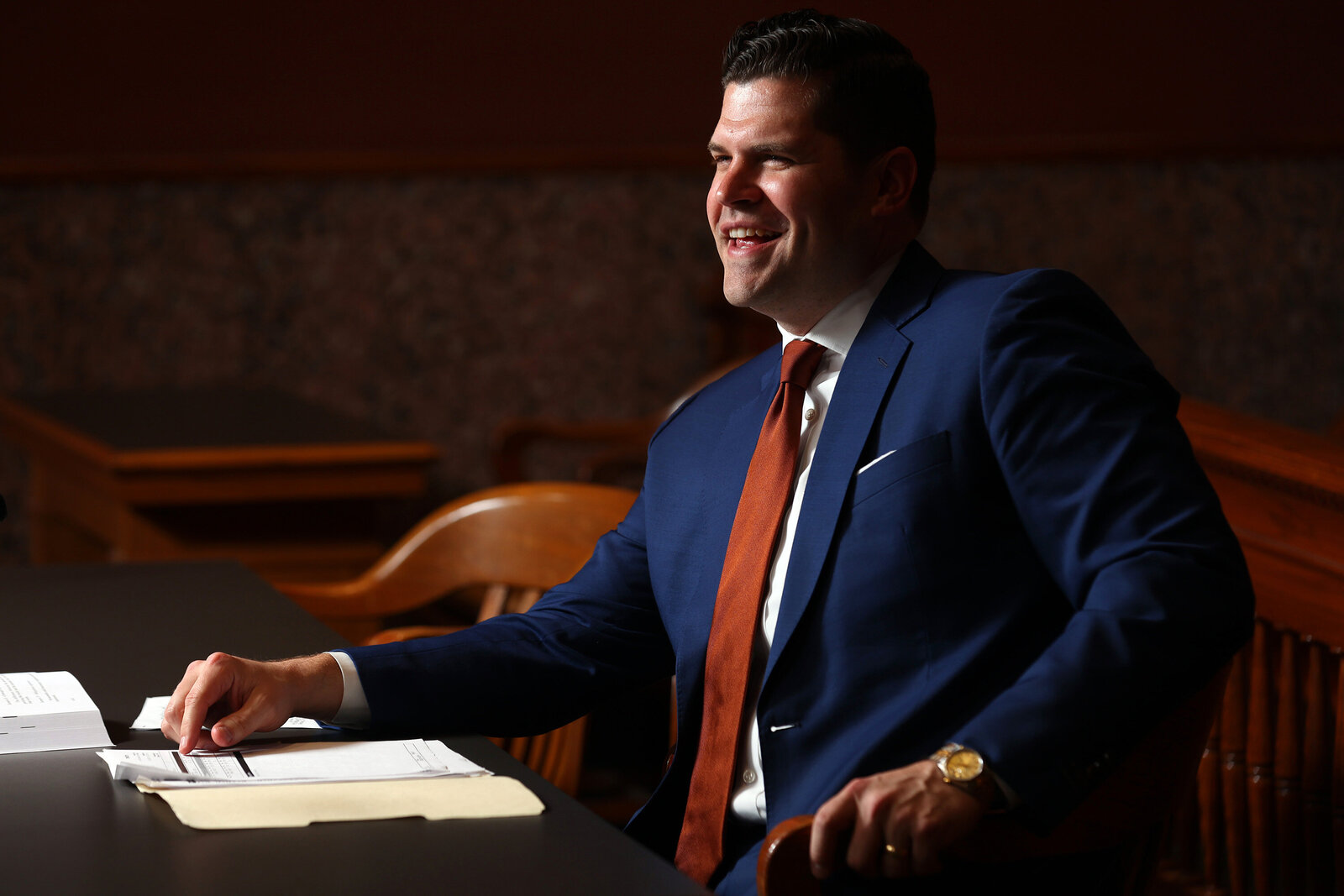
Graham Norris
Principal Attorney & Founder, Norris Legal Group PLLC
Graham Norris is an award-winning criminal defense attorney and former Tarrant County prosecutor with over a decade of courtroom experience. He has earned countless dismissals and not guilty verdicts on charges ranging from misdemeanor assault to felony murder. Graham has been recognized as a National Trial Lawyers Top 40 Under 40 attorney, named a Texas Monthly Super Lawyers Rising Star, and selected as a Top Attorney by Fort Worth Magazine.
Former Assistant District Attorney • Texas A&M School of Law Graduate • Member, National Order of Barristers
Need Legal Help? Call (817) 859-8985





Read the Comments +