


By Graham Norris
When people hear that a blood test came back over the legal limit, they often assume the case is over. In real Texas courtrooms, it is rarely that simple. Blood evidence can look scientific and final on paper, but every blood result depends on people, processes, and paperwork that can fail at multiple points.
This guide explains where Texas DWI blood testing can go wrong, what chain-of-custody defects look like, and how contamination arguments are built. You will also see how a defense lawyer reviews records, compares timestamps, and uses analysis to test whether the number in the lab report is truly reliable.
Arrested for DWI in Tarrant County?
You have 15 days to fight a license suspension. Talk to a former Tarrant County prosecutor now.
Available 24/7 • Former Prosecutor • 3,600+ cases handled
Why Texas DWI blood test accuracy depends on more than a single number
A reported BAC value is the endpoint of a long process: stop, arrest, draw, labeling, transport, storage, testing, and reporting. If one link breaks, confidence in the final number drops. Juries are allowed to weigh that weakness.
In many cases, the legal fight is not “science versus no science.” It is “valid science versus sloppy handling.” A defense strategy often focuses on whether the state can prove the sample tested in the lab is the same sample taken from the driver, preserved correctly, and analyzed under proper quality controls. Learning how to fight a DWI in Texas starts with knowing where the evidence can be challenged.
Chain of custody: where reliability problems often begin
Chain of custody means the state must account for the sample from draw to courtroom. Missing signatures, unclear transfer times, relabeling events, or unexplained storage gaps can all raise doubt.
Common chain-of-custody issues include:
- Incomplete blood draw forms or missing initials on vial seals
- Conflicting times between body-cam footage, hospital records, and submission logs
- No clear record of who handled the kit after collection
- Delays before refrigeration or delayed shipment to the testing lab
- Packaging issues that suggest tampering risk, even without proof of actual tampering
A single typo may not win a case alone. But multiple small defects can show a pattern of poor evidence handling, and that pattern can matter to a judge deciding admissibility or to a jury deciding weight. These same principles apply when evaluating whether a DWI can be dismissed based on procedural weaknesses.
Lab process errors that can distort BAC results
Even when chain records look complete, lab methods still matter. Blood alcohol testing usually relies on gas chromatography and strict calibration routines. A reliable result requires properly maintained instruments, correctly prepared controls, and trained analysts who follow protocol every time.
Calibration and quality-control failures
If control samples were out of range, if calibration checks were skipped, or if maintenance logs show unresolved instrument issues, the defense can argue the reported BAC is not dependable. According to the National Institute of Standards and Technology, forensic labs must follow strict measurement standards — gaps in calibration documentation are a recognized source of result unreliability.
Analyst and documentation mistakes
Data entry errors, copy-forward habits, mislabeled worksheets, and weak peer review can all affect result integrity. When notes conflict with the final report, credibility drops.
Sample integrity concerns
Problems with preservative volume, clotting, hemolysis, or tube mix-ups can affect concentration reporting. The state does not get to ignore these details just because a final number exists.
Questions about your license or court date?
Get specific advice for your situation before you speak to anyone else.
Text the FirmContamination and fermentation: two often-misread issues
A blood vial can be compromised before it reaches the machine. If collection technique is poor, outside substances can affect the sample. If preservative or anticoagulant handling is flawed, fermentation risk can increase in certain storage conditions.
Scenario: a sample is drawn correctly at the hospital, but records show delayed refrigeration and late shipment during warm weather. A defense toxicologist may testify that post-collection changes cannot be ruled out confidently. Quick takeaway: the legal point is not proving exactly what changed, but showing the state cannot exclude reasonable alternatives. This type of argument is one reason how to beat a DWI in Texas often hinges on scientific scrutiny rather than witness testimony alone.
What a defense lawyer requests to test blood evidence strength
A thorough defense review goes beyond the one-page lab report. In Texas DWI litigation, counsel may demand source records that reveal how the number was produced.
Key records often requested include:
- Full chain-of-custody packet
- Blood draw qualifications and collection documentation
- Instrument maintenance and calibration logs
- Quality-control run data around the test date
- Analyst bench notes and review notes
- Raw chromatograms and batch records
- Policies for storage, transport, and retesting
These records help identify whether this case was handled carefully or processed on autopilot. A felony DWI attorney in Fort Worth will typically begin with exactly this kind of records request when blood evidence is central to the case.
How reasonable doubt is built in court
Reasonable doubt in a blood case is often cumulative. One issue may seem minor, but several defects together can become powerful. Defense counsel may cross-examine the analyst on protocol gaps, compare reports against video timelines, and use testimony from forensic specialists to show that confidence intervals and procedural weaknesses matter.
The goal is not drama. The goal is precision: if core safeguards were weak, the state cannot ask the jury to treat the number as unquestionable truth. The Innocence Project has documented numerous cases where flawed forensic evidence contributed to wrongful convictions — a reminder that lab results are not infallible.
Practical steps after a Texas DWI blood draw
If you are facing charges, timing matters. Requesting and preserving records early can prevent evidence loss. It also gives your lawyer more room to litigate suppression issues, challenge admissibility, or negotiate from a stronger position. Knowing whether you can refuse a sobriety test is also important context before and after a stop.
Act quickly on these priorities:
- Preserve all paperwork from the stop and release
- Write a timeline while details are fresh
- Identify possible video sources (dash cam, body cam, business cameras)
- Avoid discussing case facts by text or social media
- Consult counsel before making statements that lock in assumptions
Don’t miss the 15-day ALR deadline
Protect your license and your record. Talk to Graham Norris today.
Call (817) 859-8985 Free ConsultationWhat a Blood Test Result Really Means for Your Case
Texas DWI blood cases are not decided by a lab number alone. Texas DWI blood test accuracy depends on proper collection, secure handling, valid testing procedures, and complete records. When those foundations are weak, chain-of-custody defects, contamination risks, and lab process errors can create real reasonable doubt that changes the outcome of a case.
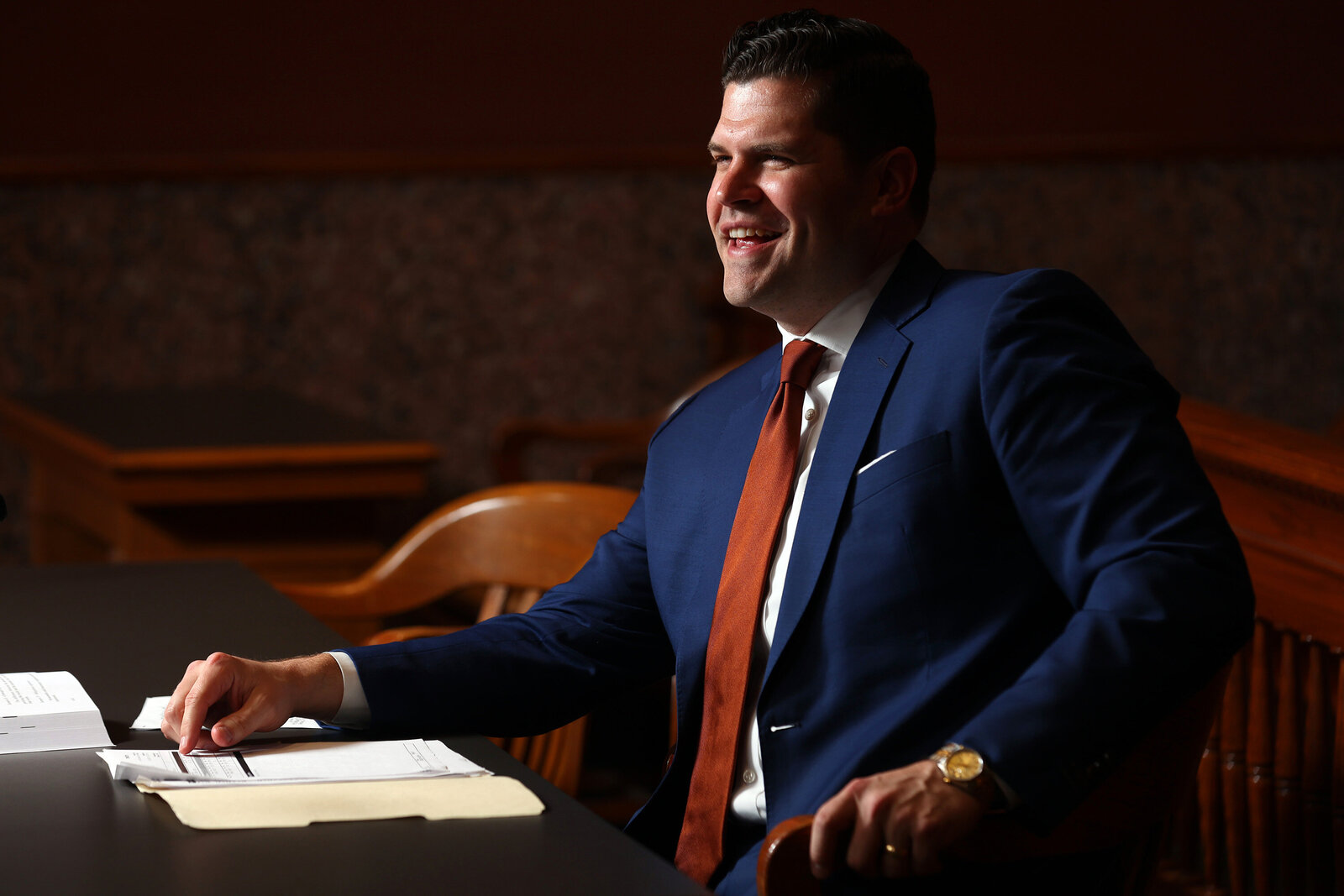
Graham Norris
Principal Attorney & Founder, Norris Legal Group PLLC
Graham Norris is an award-winning criminal defense attorney and former Tarrant County prosecutor with over a decade of courtroom experience. He has earned countless dismissals and not guilty verdicts on charges ranging from misdemeanor assault to felony murder. Graham has been recognized as a National Trial Lawyers Top 40 Under 40 attorney, named a Texas Monthly Super Lawyers Rising Star, and selected as a Top Attorney by Fort Worth Magazine.
Former Assistant District Attorney • Texas A&M School of Law Graduate • Member, National Order of Barristers
Need Legal Help? Call (817) 859-8985





Read the Comments +