


By Graham Norris
After a fight, many defendants say the same thing: “We were both fighting.” That statement may be true, but it does not automatically resolve criminal liability. In Texas, the legal result depends on who started what, who escalated, and whether force used at each stage was legally justified.
This article explains how mutual combat Texas assault cases are evaluated, what facts often decide charging outcomes, and what evidence can support a self-defense theory when both parties were physically involved.
Accused of Assault in Tarrant County?
An accusation is not a conviction. Get a former prosecutor to challenge the case against you now.
Domestic violence • Assault causing bodily injury • Family violence • Protective orders
Why “both fighting” is not a complete legal defense by itself
A mutual fight can still result in one person being charged. Prosecutors and police often assess perceived aggressor conduct, injury evidence, witness statements, and scene context.
The key issue is not whether both people swung. The issue is whether your specific use of force was justified under the circumstances. The Texas Penal Code on self-defense lays out exactly when force is considered legally justified — and mutual participation in a fight does not automatically satisfy that standard.
Facts that usually control who gets charged
Case outcomes often turn on first-contact evidence and escalation details.
Important factors include:
- Who initiated physical contact
- Whether threats or intimidation occurred before contact
- Disparity in force used by each person
- Whether one person attempted to withdraw
- Presence of injuries consistent with defense claims
- Neutral witness or video corroboration
When these facts are unclear, charging decisions can still happen quickly, making early defense investigation critical.
How self-defense can apply in mutual-combat scenarios
Self-defense arguments focus on reasonableness and necessity in the moment, not hindsight perfection.
Initial aggressor questions
If the state can frame you as the initial aggressor, self-defense becomes harder. Defense counsel may challenge that frame through timeline reconstruction.
Proportionality
Using more force than reasonably necessary can weaken a self-defense claim, even after provocation.
Withdrawal and re-engagement
If one person disengages and the other continues, legal analysis can shift rapidly. This is one of the core issues addressed in Texas self-defense misconceptions — many defendants do not realize that re-engaging after withdrawal can eliminate a valid self-defense claim entirely.
Evidence that can help show lawful conduct
Scenario: two people argue outside a bar, both shove, then one party reaches into a pocket while advancing. The other strikes and backs away. Quick takeaway: context and sequencing may support a claim that force was used to prevent immediate harm, not to punish.
Helpful evidence may include:
- Surveillance or body-cam footage showing sequence
- 911 call timing and language
- Witness statements from uninvolved observers
- Medical records documenting defensive injuries
- Messages before the incident showing threats or fear
The earlier this evidence is preserved, the better. Digital evidence degrades or gets deleted quickly — making prompt preservation a critical early step in any assault defense.
Common mistakes that damage a self-defense position
Statements made in panic can be interpreted as admissions. Social media posts after the event can also undercut a reasonableness argument.
High-risk errors include:
- Giving a full narrative before speaking with counsel
- Deleting messages or posts, which can look like concealment
- Contacting the complainant despite warnings or court orders
- Assuming police report language is final and unchallengeable
Avoiding these mistakes can preserve options for dismissal or stronger negotiations. A self-defense lawyer can help you respond to police and prosecutors in a way that protects rather than undermines your legal position from the start.
Mini FAQ on mutual combat and assault in Texas
If both people were arrested, can both still be convicted? Yes. Each defendant is evaluated separately under the evidence.
Does mutual combat cancel assault charges automatically? No. Texas law still examines justification and specific conduct.
Can self-defense apply if I struck first? Sometimes facts are more complex than “first strike,” but that issue is heavily contested and case-specific.
Want the charges reduced or dismissed?
Let a former prosecutor evaluate weaknesses in the evidence and any self-defense claim.
Text the FirmScene evidence that often gets overlooked early
Physical scene details can matter as much as testimony. Clothing damage, blood location, broken objects, and entry or exit routes can support or contradict competing accounts of escalation.
Prompt scene documentation by investigators can preserve facts that disappear quickly once the location is cleaned or reopened.
Witness reliability in fast-moving fights
People watching a chaotic fight may remember different segments. One witness might see first contact, another sees only the last exchange. Defense counsel can map each witness viewpoint to show limits of perception rather than accusing everyone of dishonesty.
Charging leverage and early case strategy
Where evidence is mixed, early defense presentation can influence charging decisions or plea posture. A concise packet with timeline charts, corroborating records, and legal justification themes may prevent the case from being framed solely by the initial report.
Acting quickly also helps preserve surveillance footage and third-party records before normal deletion cycles remove them. This is especially important in cases that may involve false accusations, where the initial police report may reflect only one side of a more complicated story.
Final pre-decision checklist before your next court date
Before your next setting, make sure your strategy is evidence-based and deadline-safe. Confirm what has been requested, what has been produced, and what remains missing. Keep a written list of open questions for counsel and update it after each hearing.
Use a simple pre-court checklist:
- verify all court dates, reporting dates, and compliance requirements
- organize key records in one folder with date labels
- identify contradictions between official reports and objective records
- avoid off-record communications that can create new evidence problems
- review best-case, worst-case, and most-likely outcomes with counsel
This disciplined approach reduces panic decisions and helps you protect leverage at each stage of the case.
Why documentation quality changes outcomes
Courts and prosecutors rely on records, not memory alone. Keeping organized notes, date-stamped documents, and complete communication history can prevent factual disputes from being decided on guesswork.
Simple documentation habits include writing a same-day timeline, saving notices and receipts, and preserving relevant digital records in original format. These steps make it easier for counsel to present a coherent, credible case narrative when pressure is highest. An aggravated assault defense attorney will typically begin building that narrative from the documentation you preserve in the first days after an incident.
Charged or questioned about assault?
Get a defense strategy before you talk to law enforcement or the DA.
Call (817) 859-8985 Free ConsultationWhen Details Decide the Case
Mutual combat Texas assault cases are decided by details, not slogans. “We were both fighting” may explain the scene, but it does not replace legal analysis of initiation, escalation, and reasonableness. A strong defense preserves evidence early and builds a clear timeline that shows why your actions were lawful under the circumstances.
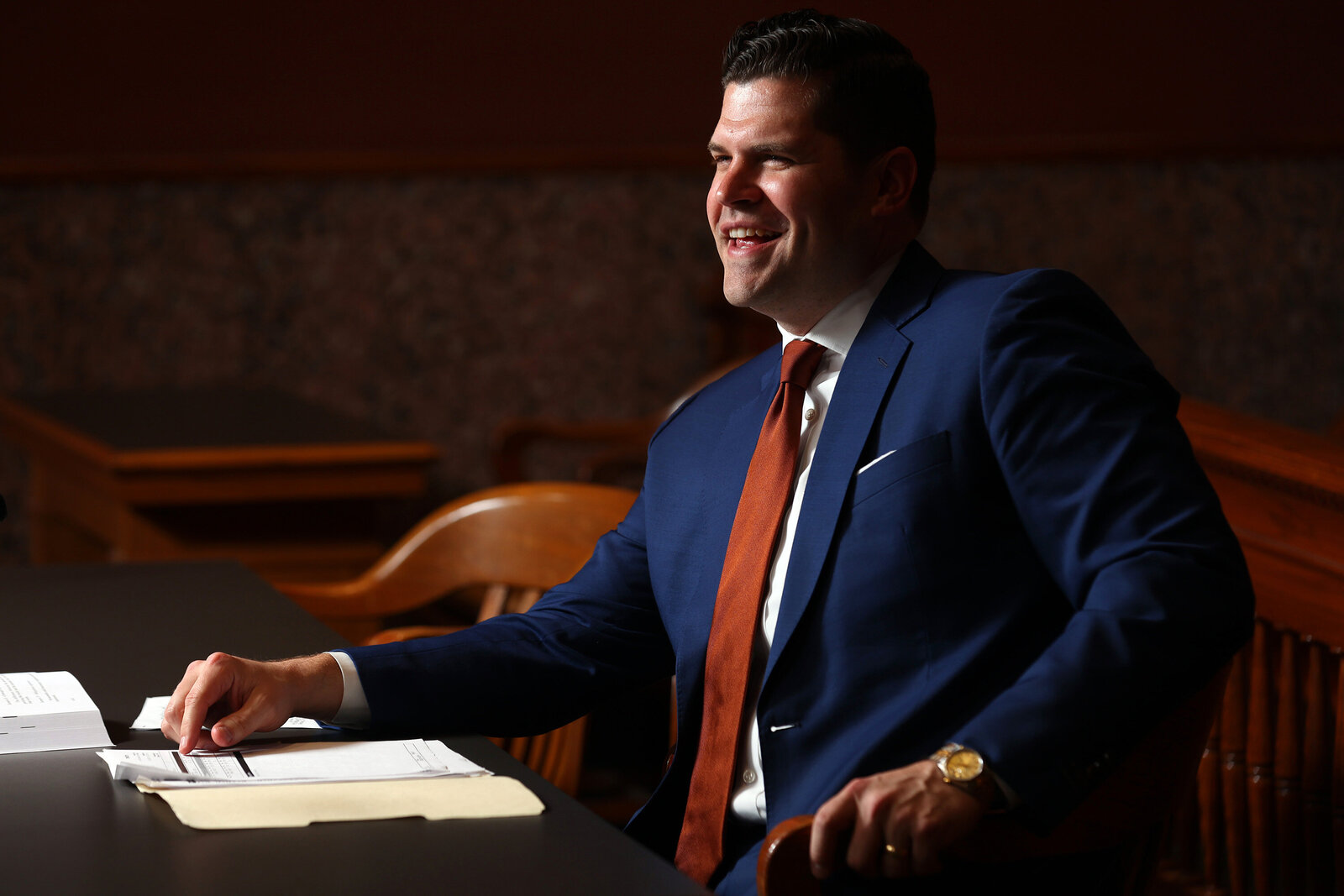
Graham Norris
Principal Attorney & Founder, Norris Legal Group PLLC
Graham Norris is an award-winning criminal defense attorney and former Tarrant County prosecutor with over a decade of courtroom experience. He has earned countless dismissals and not guilty verdicts on charges ranging from misdemeanor assault to felony murder. Graham has been recognized as a National Trial Lawyers Top 40 Under 40 attorney, named a Texas Monthly Super Lawyers Rising Star, and selected as a Top Attorney by Fort Worth Magazine.
Former Assistant District Attorney • Texas A&M School of Law Graduate • Member, National Order of Barristers
Need Legal Help? Call (817) 859-8985





Read the Comments +