


By Graham Norris
Getting out of jail after an assault arrest can feel like the crisis is over. For many defendants, the next risk starts immediately: bond conditions. People violate release terms every week without intending to, often because they do not realize how strict or broad the rules are.
This guide breaks down common bond conditions assault Tarrant County courts impose, why accidental violations happen, and what practical steps reduce the chance of new charges, bond revocation, or stricter supervision.
Accused of Assault in Tarrant County?
An accusation is not a conviction. Get a former prosecutor to challenge the case against you now.
Domestic violence • Assault causing bodily injury • Family violence • Protective orders
Why bond conditions matter as much as the underlying case
Bond terms are court orders. Violating them can lead to arrest, higher bond, tighter restrictions, or reduced credibility with the judge at future hearings.
Even if the assault case is defensible, poor compliance can weaken negotiation posture and increase legal pressure. This is why getting assault charges dropped requires more than just a strong legal argument — it requires clean conduct throughout the entire pretrial period.
Common assault-related release conditions in Tarrant County
Conditions vary by allegations, criminal history, and judicial preference.
Frequently imposed terms include:
- No contact with alleged victim directly or indirectly
- Stay-away zones for home, work, or school locations
- Firearm possession restrictions
- Drug and alcohol abstinence conditions
- Random testing or check-in requirements
- GPS or other electronic monitoring in selected cases
- Travel limits without court permission
Every condition should be read literally. Assumptions create violations.
How people accidentally violate no-contact rules
No-contact orders are broader than many defendants expect. Contact through relatives, social media reactions, or “just one apology text” can still count as prohibited communication.
Indirect contact through third parties
Asking a friend to pass a message can violate the order.
Social media interaction
Likes, comments, tags, or shared posts may be treated as contact.
Location overlap
Going to a common place without checking stay-away terms can create unintentional breach allegations. Protective and no-contact orders are enforceable immediately upon issuance and do not require the protected party to make a formal complaint before enforcement action can begin.
Practical system for staying compliant
Scenario: a defendant receives a message from the protected person asking to talk. He replies briefly to “clear things up,” then gets accused of violating bond. Quick takeaway: consent by the other person does not cancel a court order.
Use this compliance plan:
- Keep a written copy of all bond terms on your phone and at home.
- Treat any ambiguous action as prohibited until your lawyer confirms otherwise.
- Disable social prompts that may cause accidental interaction.
- Document unavoidable location conflicts and inform counsel quickly.
- Attend every check-in and test appointment early.
Small discipline now can prevent major damage later. A domestic violence lawyer in Fort Worth will typically walk clients through these compliance steps in detail at the first meeting, because bond violations can be just as damaging as the underlying charge.
What to do if you think a violation occurred
Do not try to “fix it” by contacting the protected party. Do not make explanatory posts online. Contact your lawyer immediately, preserve relevant records, and prepare a factual timeline.
Fast response can help counsel address misread issues before they escalate into additional charges or detention.
Mini FAQ on assault bond conditions
If the protected person reaches out first, can I respond? Usually no, unless the order is modified by the court.
Can conditions be changed later? Sometimes. Courts may modify terms based on case facts and compliance history. A protective order lawyer in Fort Worth can file a formal modification request if existing terms are creating genuine hardship or are unworkable given your circumstances.
Is one minor violation a big deal? It can be. Judges may treat any violation as a serious trust issue.
Work, family, and child-exchange issues under no-contact rules
Many defendants share practical responsibilities with the protected person, including children, bills, and property access. Court orders may still prohibit direct communication unless specific exceptions are written.
Where children are involved, exchange logistics should be handled through approved channels and counsel guidance, not improvised text conversations.
Want the charges reduced or dismissed?
Let a former prosecutor evaluate weaknesses in the evidence and any self-defense claim.
Text the FirmBuilding a daily compliance routine
Compliance is easier with routine:
- set calendar alerts for court and supervision obligations
- keep transportation backup plans for check-ins
- store officer or program contact information in one place
- save proof of attendance and payments immediately
Consistency shows the court you take conditions seriously.
Requesting clarification or modification the right way
If a term is unclear or unworkable, do not ignore it. Work with counsel to request clarification or formal modification from the court. Judges are far more receptive to proactive lawful requests than to explanations after a violation allegation. The Texas Code of Criminal Procedure governs bond conditions and modification procedures — knowing those provisions helps counsel frame requests in the most effective way.
Final pre-decision checklist before your next court date
Before your next setting, make sure your strategy is evidence-based and deadline-safe. Confirm what has been requested, what has been produced, and what remains missing. Keep a written list of open questions for counsel and update it after each hearing.
Use a simple pre-court checklist:
- verify all court dates, reporting dates, and compliance requirements
- organize key records in one folder with date labels
- identify contradictions between official reports and objective records
- avoid off-record communications that can create new evidence problems
- review best-case, worst-case, and most-likely outcomes with counsel
This disciplined approach reduces panic decisions and helps you protect leverage at each stage of the case.
Why documentation quality changes outcomes
Courts and prosecutors rely on records, not memory alone. Keeping organized notes, date-stamped documents, and complete communication history can prevent factual disputes from being decided on guesswork.
Simple documentation habits include writing a same-day timeline, saving notices and receipts, and preserving relevant digital records in original format. These steps make it easier for counsel to present a coherent, credible case narrative when pressure is highest. An aggravated assault defense attorney will rely heavily on this kind of organized record when building a defense strategy around compliance history and credibility.
Charged or questioned about assault?
Get a defense strategy before you talk to law enforcement or the DA.
Call (817) 859-8985 Free ConsultationCompliance Is Part of Your Defense
Bond conditions assault Tarrant County defendants face are often strict and easy to violate by accident, especially no-contact terms. Careful compliance is not optional; it is part of your defense strategy. Clear rules, documented discipline, and quick legal guidance can protect your release status and your case outcome.
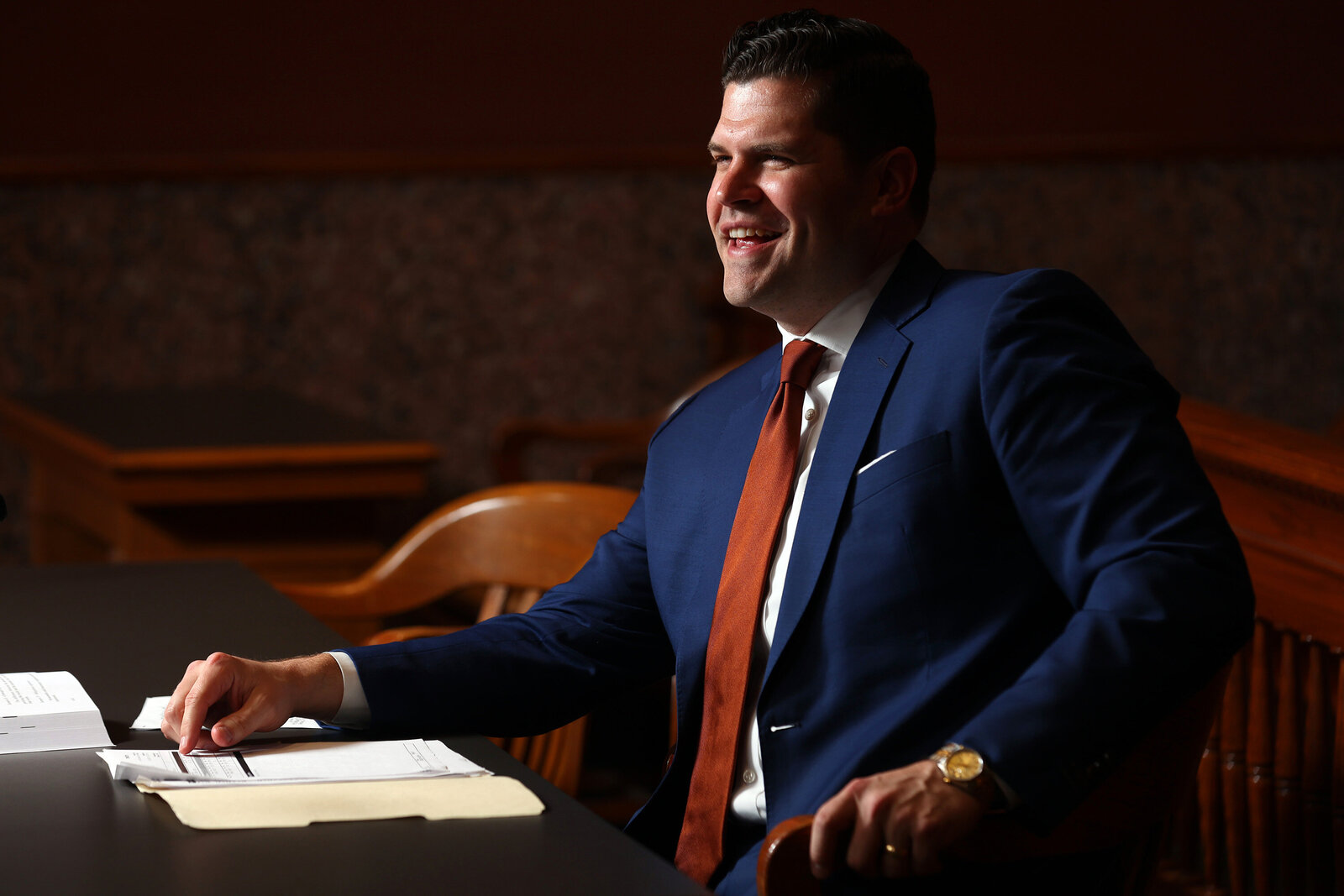
Graham Norris
Principal Attorney & Founder, Norris Legal Group PLLC
Graham Norris is an award-winning criminal defense attorney and former Tarrant County prosecutor with over a decade of courtroom experience. He has earned countless dismissals and not guilty verdicts on charges ranging from misdemeanor assault to felony murder. Graham has been recognized as a National Trial Lawyers Top 40 Under 40 attorney, named a Texas Monthly Super Lawyers Rising Star, and selected as a Top Attorney by Fort Worth Magazine.
Former Assistant District Attorney • Texas A&M School of Law Graduate • Member, National Order of Barristers
Need Legal Help? Call (817) 859-8985





Read the Comments +