


By Graham Norris
Protective order hearings move fast, but the consequences can last for years. A court order can affect where you live, who you can contact, firearm access, and how other legal matters unfold. Many respondents walk into these hearings unprepared because they assume the process is informal. It is not.
This article explains what to expect in a Tarrant County protective order hearing, what judges tend to evaluate, and what evidence can carry real weight. Preparation and disciplined presentation can materially change the result.
Accused of Assault in Tarrant County?
An accusation is not a conviction. Get a former prosecutor to challenge the case against you now.
Domestic violence • Assault causing bodily injury • Family violence • Protective orders
What is at stake in a protective order hearing
Protective orders are civil proceedings, but they can produce restrictions that affect daily life and related criminal or family-law matters. Violating an active order can trigger additional legal exposure.
Because impact is high, the hearing should be treated with the same seriousness as major court litigation. For respondents also facing assault charges, the overlap between these proceedings makes preparation even more critical — outcomes in one forum can directly affect the other. A protective order lawyer in Fort Worth can help coordinate strategy across both tracks from the start.
What judges generally evaluate in these hearings
Judges focus on credibility, risk, and proof of alleged conduct.
Key factors often include:
- Specificity of allegations (dates, acts, threats, injuries)
- Consistency across statements and exhibits
- Evidence of recent or ongoing risk
- Corroboration from neutral records or witnesses
- Behavior in court, including compliance with temporary terms
Vague claims with weak corroboration may be less persuasive than detailed testimony supported by documents.
Evidence that tends to carry weight
A strong case file is organized and targeted, not overloaded.
Direct documentary records
Texts, call logs, photos, and medical records can support or undermine allegations depending on context and timing. The same principles that apply to text messages as evidence in assault cases apply here — full thread context matters far more than isolated screenshots.
Independent records
911 recordings, dispatch logs, workplace camera footage, and third-party witness testimony often receive close attention. Protective order proceedings are governed by specific evidentiary standards that require courts to weigh both the applicant’s claims and any controverting evidence presented by the respondent.
Timeline exhibits
A clean chronology can expose contradictions and help the court evaluate credibility efficiently.
How to prepare effectively before the hearing
Scenario: respondent arrives with hundreds of unsorted screenshots and no index. Valuable evidence is lost in confusion. Quick takeaway: organization is part of persuasion.
Preparation checklist:
- Build a concise timeline with dates and supporting exhibits.
- Separate confirmed facts from assumptions.
- Label and print exhibits clearly with duplicates for court use.
- Identify witnesses who can provide firsthand testimony.
- Rehearse testimony so answers stay direct and factual.
Courts value clarity. Organized presentation helps the judge assess the record quickly.
Common errors that hurt respondents
Several avoidable mistakes repeatedly damage defense positions:
- Contacting the applicant before hearing despite temporary restrictions
- Appearing without reviewed exhibits
- Arguing emotionally instead of answering specific questions
- Introducing irrelevant personal grievances
- Posting about the case online before the hearing
Avoiding these errors can improve credibility immediately. Many of the same mistakes that damage bond condition compliance also hurt protective order hearings — the overlap is direct and significant for anyone facing both proceedings simultaneously.
Mini FAQ on Tarrant County protective order hearings
Can a protective order affect firearms rights? It can, depending on the order’s terms and applicable law. The Texas Code of Criminal Procedure outlines the specific conditions under which a protective order can restrict firearm possession.
Can text messages help the respondent? Yes, when full context supports your version of events. This is especially true in cases involving false accusations, where a complete message thread can directly contradict the applicant’s account.
Should I bring every piece of evidence I have? Bring what is relevant and organized. Volume without structure can hurt.
Want the charges reduced or dismissed?
Let a former prosecutor evaluate weaknesses in the evidence and any self-defense claim.
Text the FirmTemporary orders versus final orders: why the distinction matters
Some respondents treat temporary orders as informal placeholders. They are enforceable and can heavily influence the final hearing. Demonstrated compliance during the temporary period can improve credibility, while violations can severely damage defense posture.
Witness preparation and testimony discipline
Witnesses should testify to firsthand facts, not assumptions or legal conclusions. Brief preparation helps prevent rambling answers and keeps testimony tied to dates, locations, and observed conduct.
Strong testimony usually sounds calm, specific, and consistent with documentary evidence.
Post-hearing planning if an order is entered
If the court enters an order, immediate compliance planning is essential. Respondents should review restrictions with counsel, update daily routines, and keep written proof of compliance activities. Early structure can prevent accidental violations and position the case for any later lawful modification request. A domestic violence lawyer in Fort Worth can help map out a practical compliance plan that accounts for work, family, and daily logistics from day one.
Final pre-decision checklist before your next court date
Before your next setting, make sure your strategy is evidence-based and deadline-safe. Confirm what has been requested, what has been produced, and what remains missing. Keep a written list of open questions for counsel and update it after each hearing.
Use a simple pre-court checklist:
- verify all court dates, reporting dates, and compliance requirements
- organize key records in one folder with date labels
- identify contradictions between official reports and objective records
- avoid off-record communications that can create new evidence problems
- review best-case, worst-case, and most-likely outcomes with counsel
This disciplined approach reduces panic decisions and helps you protect leverage at each stage of the case.
Why documentation quality changes outcomes
Courts and prosecutors rely on records, not memory alone. Keeping organized notes, date-stamped documents, and complete communication history can prevent factual disputes from being decided on guesswork.
Simple documentation habits include writing a same-day timeline, saving notices and receipts, and preserving relevant digital records in original format. These steps make it easier for counsel to present a coherent, credible case narrative when pressure is highest.
In short, preparation is not about volume; it is about relevance, organization, and credibility.
Charged or questioned about assault?
Get a defense strategy before you talk to law enforcement or the DA.
Call (817) 859-8985 Free ConsultationWhat Preparation Actually Changes
A Tarrant County protective order hearing can reshape your legal and personal life in a single setting. Judges look for specific, credible, and well-supported evidence. Careful preparation, organized exhibits, and focused testimony can make the difference between a broad long-term order and a more favorable outcome.
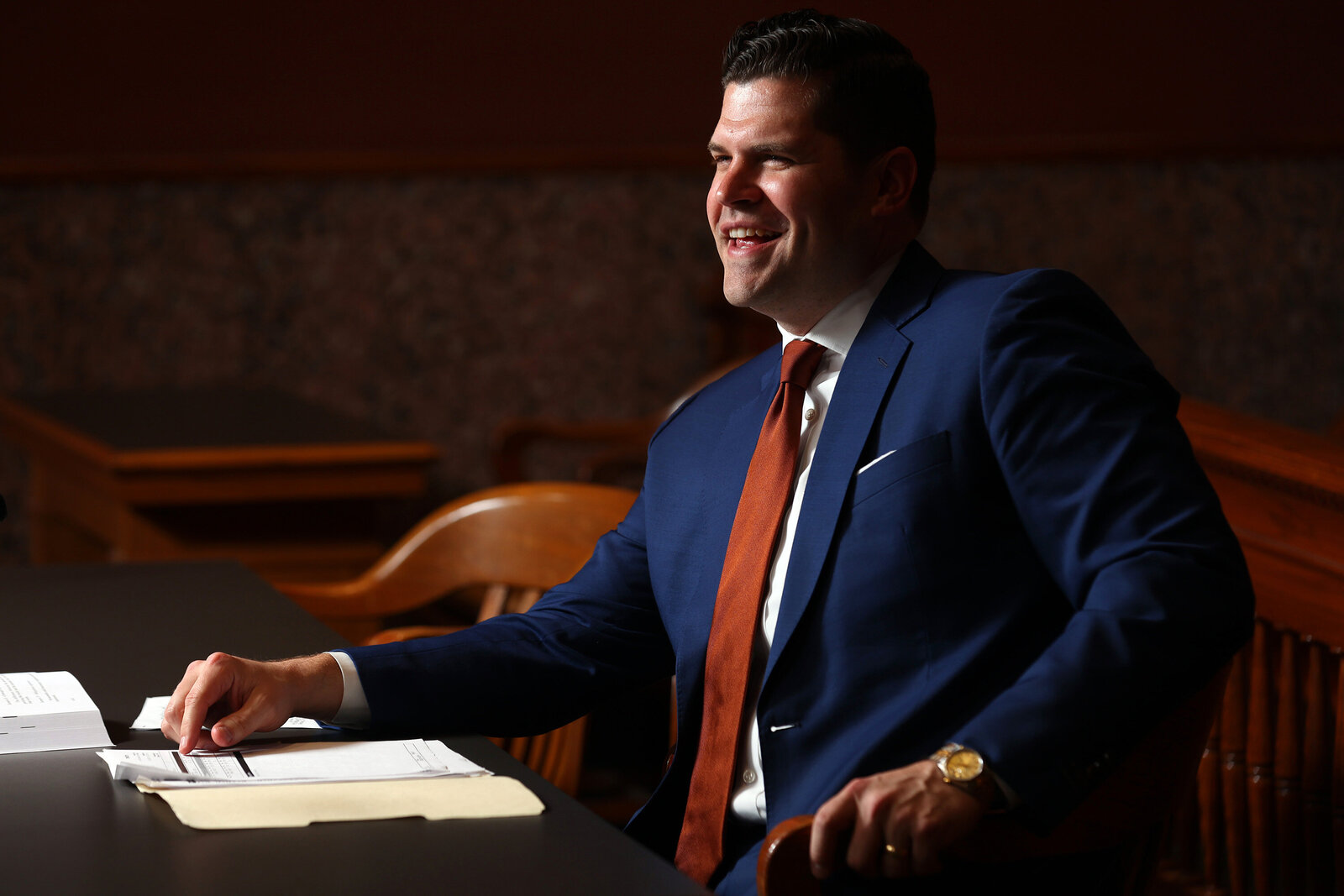
Graham Norris
Principal Attorney & Founder, Norris Legal Group PLLC
Graham Norris is an award-winning criminal defense attorney and former Tarrant County prosecutor with over a decade of courtroom experience. He has earned countless dismissals and not guilty verdicts on charges ranging from misdemeanor assault to felony murder. Graham has been recognized as a National Trial Lawyers Top 40 Under 40 attorney, named a Texas Monthly Super Lawyers Rising Star, and selected as a Top Attorney by Fort Worth Magazine.
Former Assistant District Attorney • Texas A&M School of Law Graduate • Member, National Order of Barristers
Need Legal Help? Call (817) 859-8985





Read the Comments +