

By Graham Norris
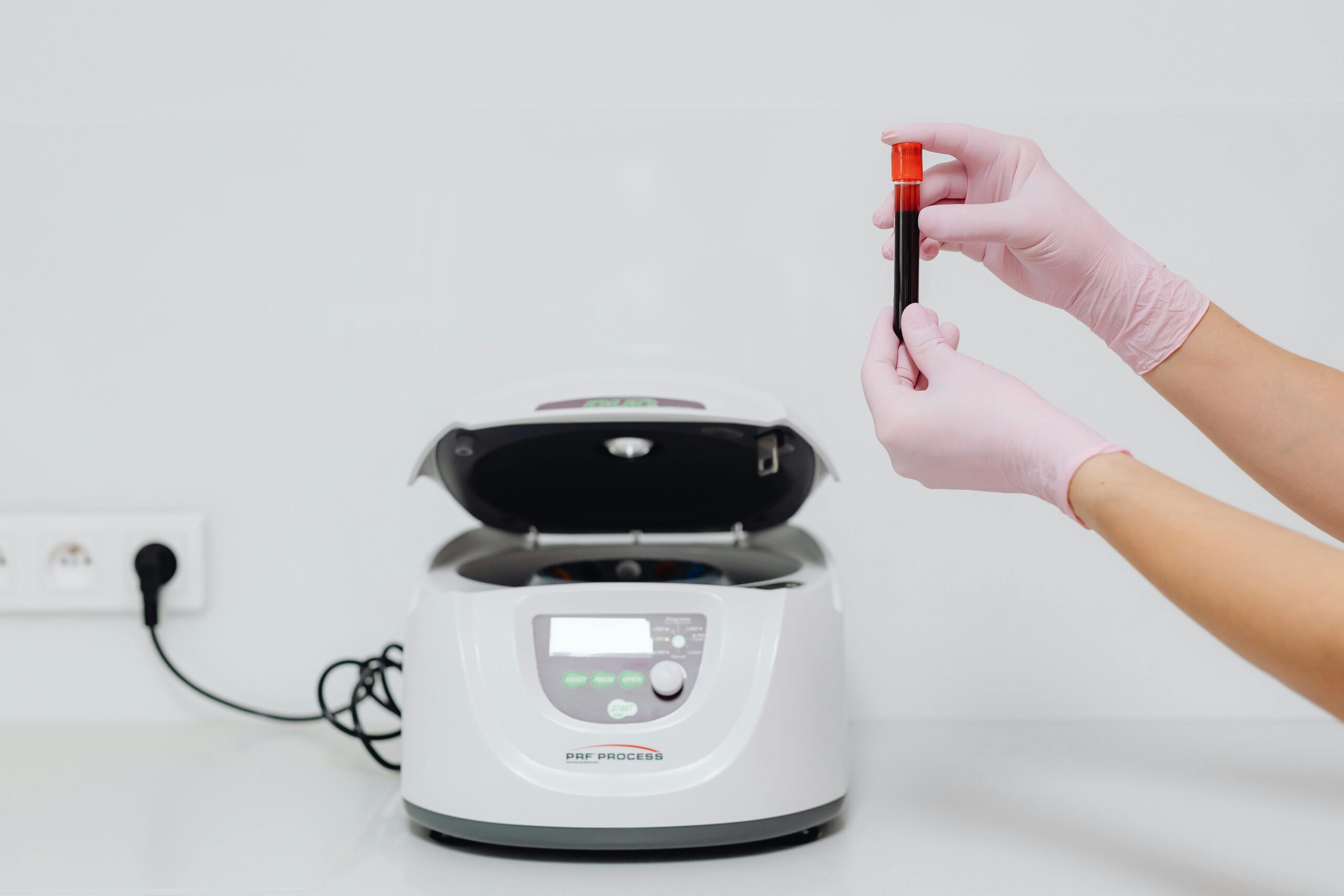
There’s a gap between when you stop driving and when your BAC actually gets tested — and in Texas DWI cases, that gap can make all the difference. Alcohol doesn’t hit your bloodstream the moment you take a sip. It absorbs gradually, meaning your BAC can continue climbing for up to two hours after your last drink. If a test was taken 45 minutes to an hour after your stop, what it measured may not reflect where your BAC was while you were behind the wheel.
This is the foundation of the rising BAC defense, and it’s one of the most scientifically grounded arguments available in DWI cases where results came in at or near the legal limit.
Arrested for DWI in Tarrant County?
You have 15 days to fight a license suspension. Talk to a former Tarrant County prosecutor now.
Available 24/7 • Former Prosecutor • 3,600+ cases handled
How Alcohol Absorption Actually Works
When you drink, alcohol doesn’t absorb instantly. It moves from your stomach and small intestine into your bloodstream over time — a process that typically takes between 30 minutes and two hours depending on a number of factors. During that window, your BAC is still rising, not falling.
What affects that absorption rate? Quite a bit:
- Food in your stomach — eating slows absorption significantly
- Body weight and composition — these affect how alcohol distributes through your system
- Type and strength of the drink — carbonated beverages absorb faster than still ones
- How quickly you drank — spacing out drinks slows the curve
This means two people can drink the same amount and have very different BAC timelines. There is no single standard rate that applies to everyone, which is precisely what makes the state’s chemical test evidence vulnerable to challenge when timing is a factor.
The Problem With Testing Delayed After the Stop
In Texas, it is rare for a breath or blood test to happen at the roadside the moment you stop driving. You are typically transported to a station or facility, processed, and tested — often 45 minutes to an hour or more after the initial stop.
Here’s why that matters: if your BAC was still in the absorption phase when you were pulled over, it may have continued climbing during that entire window. A result showing 0.09 at the station doesn’t tell you what your BAC was 45 minutes earlier when you were actually operating the vehicle. It may have been 0.06 or 0.07 — under the legal threshold — while you were driving.
Texas law requires the prosecution to prove you were intoxicated while operating the vehicle, not at the time of testing. That distinction is the legal door through which the rising BAC defense walks. For more on how the law defines intoxication and what the state must prove, see what the Texas Penal Code says about DWI.
What Retrograde Extrapolation Is — and Why It Cuts Both Ways
When the prosecution wants to link a test result back to the time of driving, they use a method called retrograde extrapolation — a calculation that works backward from the tested BAC to estimate what it was earlier. The state typically presents this through expert testimony from a forensic toxicologist or breath test supervisor.
The problem is that retrograde extrapolation depends on a series of assumptions that may not apply to your specific situation: your individual elimination rate, whether you had finished absorbing alcohol, what and when you last ate, and how much you actually drank. The Texas Court of Criminal Appeals has recognized these limitations, and courts have found retrograde extrapolation unreliable when it is not supported by sufficient facts about the specific individual.
A well-prepared defense can challenge this testimony directly — exposing the gaps between the formula’s assumptions and the real facts of your case. For a deeper look at how this science plays out in Texas courtrooms, see retrograde extrapolation in Texas DWI cases.
Questions about your license or court date?
Get specific advice for your situation before you speak to anyone else.
Text the FirmHow the Rising BAC Defense Gets Built
This defense isn’t simply arguing that the test was wrong. It’s a reconstruction of your timeline, supported by science and often by witness testimony. The core elements include:
Establishing the timeline. When did you have your last drink? When were you stopped? When was the test administered? The longer the gap between driving and testing, the more room there is to argue your BAC was lower at the wheel.
Challenging the state’s extrapolation. If the prosecution’s expert made assumptions about your elimination rate without sufficient individual data — your weight, what you ate, your drinking pattern — those assumptions can be attacked on cross-examination or countered with defense expert testimony.
Presenting context about absorption. Evidence that you had recently eaten, that your drinks were spaced out, or that you had just finished your last drink shortly before driving can all support the argument that absorption was still ongoing when you were tested.
Combining with other challenges. The rising BAC defense often works alongside challenges to blood test accuracy, breathalyzer calibration, and the reliability of the chemical testing process itself. See Texas DWI blood test accuracy for more on how test results can be questioned independently of timing.
When This Defense Applies — and When It Matters Most
The rising BAC defense is most relevant when your test result was close to the 0.08 threshold. A result of 0.09 or 0.10 with a significant delay between driving and testing presents a very different picture than a result of 0.16. The closer to the legal limit, the more scientifically plausible — and legally compelling — the argument becomes.
It also becomes more powerful when combined with evidence that your driving behavior was normal, that field sobriety tests were marginal or improperly administered, or that officer observations were inconsistent with meaningful impairment. Reasonable doubt doesn’t require a single knockout argument — it can be built from several converging threads.
Don’t miss the 15-day ALR deadline
Protect your license and your record. Talk to Graham Norris today.
Call (817) 859-8985 Free ConsultationA Number on a Report Is Not the Whole Story
If your DWI case involves a test result taken well after your stop, that number deserves scrutiny — not just acceptance. At Norris Legal Group, Graham Norris examines DWI cases from every angle, including the science behind the testing and the timeline behind the result.
Contact Norris Legal Group for a free consultation and find out whether the rising BAC defense — or another challenge to the evidence — could be the turning point in your case.
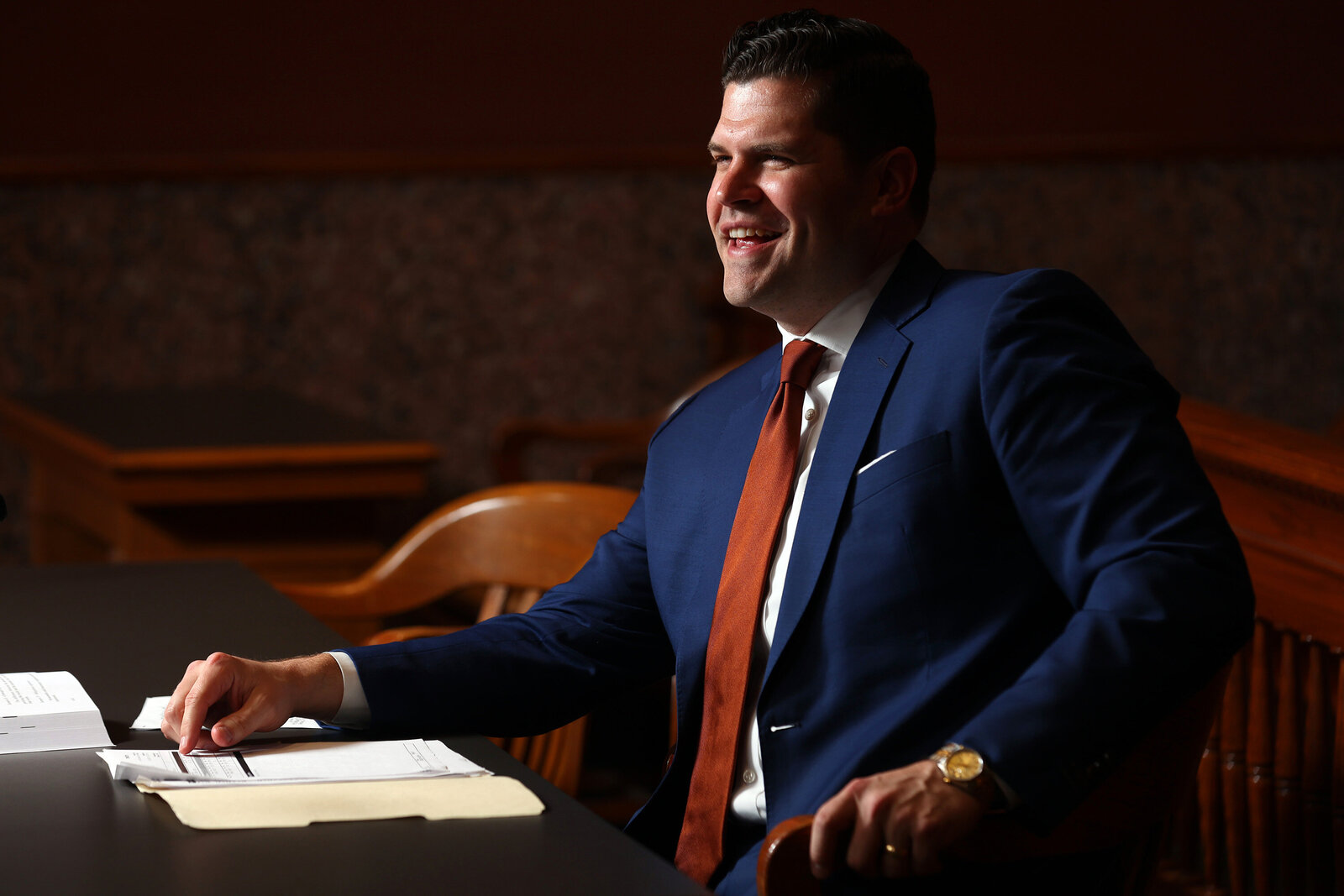
Graham Norris
Principal Attorney & Founder, Norris Legal Group PLLC
Graham Norris is an award-winning criminal defense attorney and former Tarrant County prosecutor with over a decade of courtroom experience. He has earned countless dismissals and not guilty verdicts on charges ranging from misdemeanor assault to felony murder. Graham has been recognized as a National Trial Lawyers Top 40 Under 40 attorney, named a Texas Monthly Super Lawyers Rising Star, and selected as a Top Attorney by Fort Worth Magazine.
Former Assistant District Attorney • Texas A&M School of Law Graduate • Member, National Order of Barristers
Need Legal Help? Call (817) 859-8985





Read the Comments +