

By Graham Norris
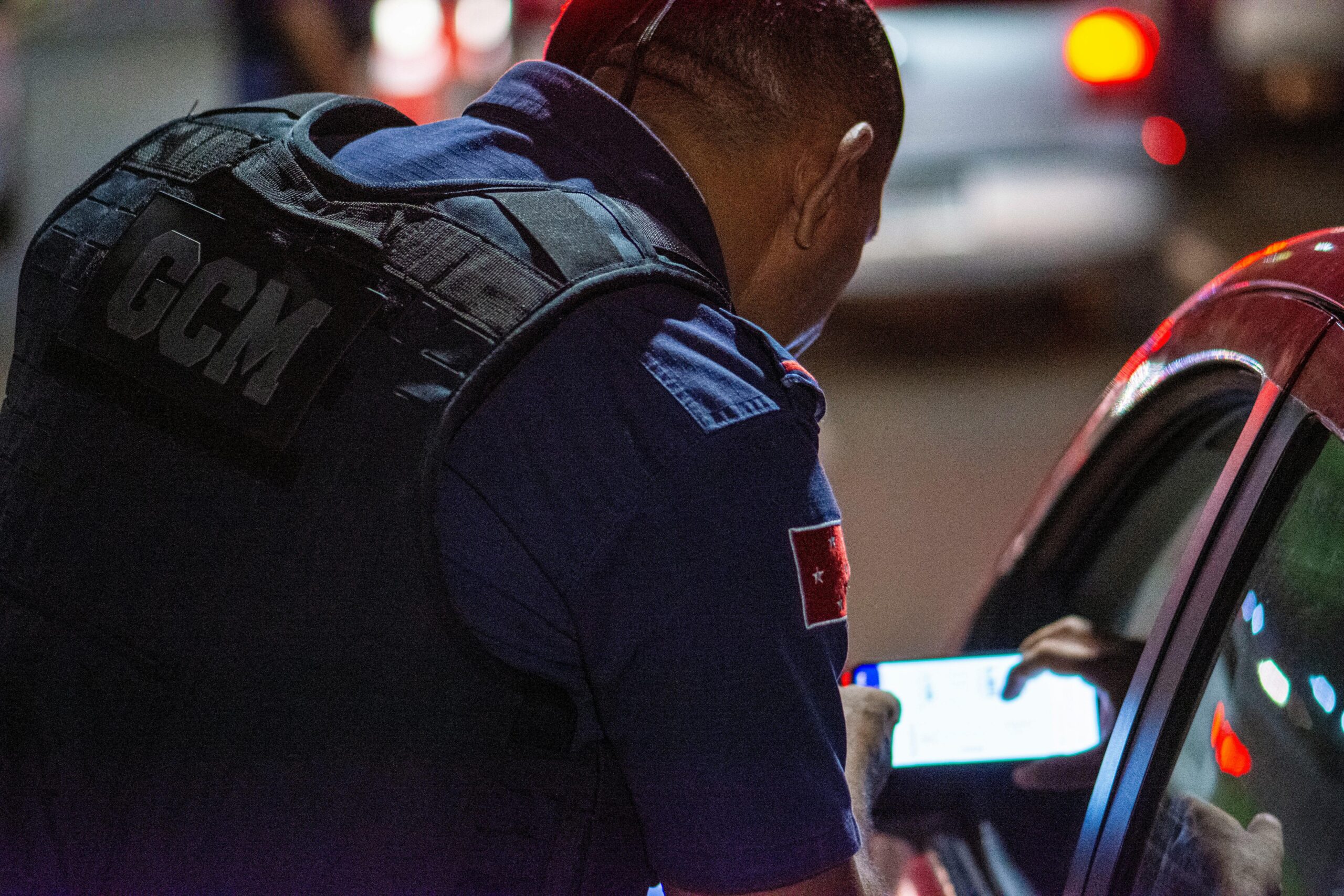
When an officer pulls a small handheld device out of their pocket and asks you to blow into it, most people assume that result is the number that determines their fate. It isn’t. Texas uses two fundamentally different types of breath testing devices — one at the roadside, one at the station — and they carry completely different legal weight. Knowing the difference before you’re in that situation could change the decisions you make in a critical moment.
Arrested for DWI in Tarrant County?
You have 15 days to fight a license suspension. Talk to a former Tarrant County prosecutor now.
Available 24/7 • Former Prosecutor • 3,600+ cases handled
Two Devices, Two Very Different Purposes
The device an officer presents at the roadside is called a Preliminary Breath Test, or PBT. It’s a handheld, portable screener — small enough to carry in a patrol car. According to NHTSA, PBTs are investigative tools used to help establish probable cause for an arrest, not to produce evidence admissible at trial.
The machine at the station is a different instrument entirely. In Texas, that device is the Intoxilyzer 9000 — a stationary, state-approved evidential breath test machine. Its results are what the prosecution relies on in court. It is subject to strict calibration and maintenance requirements, operated only by certified personnel, and governed by the protocols established by the Texas Department of Public Safety.
These are not interchangeable machines. They serve different functions at different points in the arrest process, and the legal consequences of each are completely different.
The PBT: Voluntary, Unreliable, and Inadmissible
The most important thing to know about the roadside PBT is that it is voluntary in Texas. Refusing it carries no administrative penalties, no automatic license suspension, and no implied consent consequences. It is a screening device — nothing more.
Portable breathalyzers are not approved by the Texas Department of Public Safety for use in criminal prosecutions or administrative license revocation proceedings. The numerical result cannot be used as evidence of intoxication at trial. What officers can do is testify that they administered a PBT and then made an arrest — leaving a jury to draw its own conclusions — but the actual reading stays out of the record.
The reliability issues with PBTs run deep. Unlike the station machine, portable devices lack built-in safeguards against mouth alcohol contamination. They are more susceptible to interference from temperature, breathing patterns, certain foods, and medical conditions like acid reflux or diabetes. Their calibration and maintenance standards are far less rigorous than those required for evidential testing equipment. All of this is why Texas treats them the way it does — as a field screening tool, not a courtroom exhibit.
The Intoxilyzer 9000: Higher Stakes, Stricter Rules
Once you are arrested and transported to the station, the test shifts to evidential territory. The Intoxilyzer 9000 produces a result that the state can and will use against you, and refusing it is what triggers the 180-day license suspension under Texas implied consent law — a process detailed in what happens at an ALR hearing in Texas.
But admissibility doesn’t mean the result is bulletproof. The Intoxilyzer 9000 still has to be operated correctly to produce a valid result, and there are multiple points where the process can break down:
Calibration and maintenance records. The machine must be regularly calibrated and properly maintained. If those records show irregularities or gaps, the reliability of the result is directly in question. Defense attorneys routinely subpoena these logs when challenging breath test evidence.
The 15-minute observation period. Before administering the test, the officer must continuously observe the subject for a minimum of 15 minutes. This rule exists to ensure nothing enters the mouth — a burp, a piece of food, anything — that could introduce mouth alcohol into the breath sample and inflate the reading. If that observation period wasn’t followed, the result may be challengeable, something worth examining alongside how to beat a breathalyzer in a Texas DWI case.
Operator certification. The person administering the Intoxilyzer test must hold a current, valid certification. An expired or improper certification can raise serious questions about the test’s validity.
Physiological and environmental factors. Body temperature affects how alcohol moves from blood into breath. A fever, for instance, can cause the machine to register a higher BAC than what’s actually in the bloodstream. Conditions like GERD or acid reflux can push stomach alcohol into the breath sample. Shallow breathing — which concentrates alcohol in the breath — can skew results upward as well.
Questions about your license or court date?
Get specific advice for your situation before you speak to anyone else.
Text the FirmHow This Plays Into Your Defense
The distinction between these two devices matters most when a case hinges on a breath test result. If your BAC came in at or close to the legal limit on the Intoxilyzer 9000, every one of those procedural and scientific factors becomes a potential thread worth pulling.
And if the PBT was used to establish probable cause for the arrest, that step in the chain deserves scrutiny too. If the officer’s grounds for arresting you were shaky — relying heavily on a device that Texas itself deems unreliable for evidentiary purposes — a defense attorney may be able to challenge the legality of the stop and everything that followed. That’s the kind of Fourth Amendment analysis explored in a Texas DWI motion to suppress.
It’s also worth understanding that a breath test result, even a valid one, tells only part of the story. The timing between when you stopped driving and when the test was taken can matter significantly — a point at the center of the rising BAC defense in Texas.
Don’t miss the 15-day ALR deadline
Protect your license and your record. Talk to Graham Norris today.
Call (817) 859-8985 Free ConsultationDon’t Let a Number Define Your Case
A breath test result — particularly one from a machine with known limitations, operated under imperfect conditions — is not the end of the conversation. At Norris Legal Group, Graham Norris has handled over 3,600 cases and knows exactly how to examine the science and the procedure behind the evidence the state presents.
If breath test results are part of your DWI case, the details of how that test was administered matter. Reach out to Norris Legal Group for a free consultation and get a clear picture of where your defense stands.
Graham Norris
Principal Attorney & Founder, Norris Legal Group PLLC
Graham Norris is an award-winning criminal defense attorney and former Tarrant County prosecutor with over a decade of courtroom experience. He has earned countless dismissals and not guilty verdicts on charges ranging from misdemeanor assault to felony murder. Graham has been recognized as a National Trial Lawyers Top 40 Under 40 attorney, named a Texas Monthly Super Lawyers Rising Star, and selected as a Top Attorney by Fort Worth Magazine.
Former Assistant District Attorney • Texas A&M School of Law Graduate • Member, National Order of Barristers
Need Legal Help? Call (817) 859-8985





Read the Comments +