


By Graham Norris
Cross-examining the complaining witness in a Texas assault case is one of the highest-stakes moments in a criminal trial — and one of the easiest things to get wrong. Done well, it plants reasonable doubt, exposes inconsistencies, and reframes the entire narrative. Done poorly, it alienates the jury, makes the defendant look aggressive, and turns a sympathetic witness into a convincing one. The goal is never to destroy someone on the stand. It’s to reveal the gaps between what they’re saying and what actually happened.
Accused of Assault in Tarrant County?
An accusation is not a conviction. Get a former prosecutor to challenge the case against you now.
Domestic violence • Assault causing bodily injury • Family violence • Protective orders
Why the Complaining Witness Is the Center of the Case
In most Texas assault cases — particularly family violence and misdemeanor assault matters — the complaining witness is the prosecution’s primary evidence. There may be photos, a police report, and possibly a 911 recording, but the live testimony of the person making the accusation is what the jury weighs most heavily. Under Texas law, a single witness’s sworn testimony can support a conviction without any corroborating physical evidence. That’s not a loophole — it’s the standard.
This means how that witness holds up under cross-examination can determine the outcome of the case. The Sixth Amendment’s Confrontation Clause guarantees the defendant the right to face their accuser and test that testimony through cross-examination, and a defense attorney who uses that right strategically — rather than bluntly — can shift what a jury believes.
What Effective Cross-Examination Actually Looks Like
The instinct in cross-examination is to attack. In assault cases, that instinct is usually wrong. Jurors watch how a defense attorney treats the person on the stand, and if the examination feels like a personal assault on someone who already claims to be a victim, sympathy flows in the wrong direction.
Effective cross-examination in these cases is built on control and precision — not confrontation. As Graham Norris describes his approach to assault cases, the work begins long before anyone sets foot in a courtroom: gathering every version of events, understanding what witnesses said to police, and identifying the exact points where those accounts don’t align. That preparation determines what questions get asked and, critically, what questions get left out.
The goal is to surface inconsistencies without overreaching. A few well-placed questions that expose a contradiction in the timeline, a detail the witness couldn’t have known, or a statement that conflicts with the police report will do more for a jury than an hour of aggressive questioning.
The Most Productive Areas to Probe
Every case is different, but several areas consistently yield productive cross-examination ground in Texas assault cases:
Prior inconsistent statements. What did the witness tell the police officer at the scene? What did they say to the 911 dispatcher? What appears in the written report? If their courtroom testimony differs from those earlier accounts in any meaningful way, that inconsistency can be surfaced methodically — not dramatically, but clearly enough that the jury notices. The Texas Law Review has noted that cross-examination is at its most effective when it exposes the limits of a witness’s knowledge and the reliability of their account, rather than simply challenging their character.
Motive to fabricate or exaggerate. This is particularly relevant in family violence cases, where accusations sometimes arise in the context of custody disputes, relationship breakdowns, or financial conflict. Graham Norris has handled cases where phone records, text messages, and other evidence revealed that a complainant’s account was shaped by an agenda that had nothing to do with what actually happened that night. Establishing that motive — carefully and with evidence — is one of the most powerful things cross-examination can accomplish. The role of text messages as evidence in Texas assault cases is worth examining here, as communications between the parties often tell a different story than the one presented in court.
The sequence of events and self-defense context. The complaining witness’s account typically begins at the moment of physical contact. Cross-examination can walk the timeline backward — what happened before, who said what, who moved toward whom, and what the defendant was responding to. Texas self-defense law requires the jury to consider whether force was a reasonable response to the circumstances, and those circumstances rarely start at the moment a punch is thrown. Getting the witness to acknowledge what preceded the incident, even partially, gives the jury the context the prosecution prefers to omit.
Physical evidence consistency. If the witness’s testimony doesn’t match the injuries documented, the location of the alleged incident, or what appears on available video, those gaps matter. Asking precise, controlled questions about the specific mechanics of what the witness claims happened — and letting the answers sit against what the evidence shows — can quietly but effectively undermine credibility without a single accusatory question.
Want the charges reduced or dismissed?
Let a former prosecutor evaluate weaknesses in the evidence and any self-defense claim.
Text the FirmWhat to Avoid
Several common cross-examination mistakes can turn a winnable moment into a liability:
- Asking open-ended questions. Every question in cross-examination should be leading — a statement the witness confirms or denies, not an invitation to explain. Open questions hand control back to the witness.
- Repeating damaging testimony. If the witness says something harmful on direct, going back to it in cross only reinforces it. The goal is to minimize what hurts and highlight what helps.
- Visible hostility. A jury that watches a defense attorney berate or belittle a witness will remember that image long after they’ve forgotten the specific testimony. Calm, deliberate, and methodical reads as confident. Aggressive reads as desperate.
- Overreaching. If a line of questioning isn’t going where you need it to go, stopping is a skill. The best question is sometimes no question at all.
Charged or questioned about assault?
Get a defense strategy before you talk to law enforcement or the DA.
Call (817) 859-8985 Free ConsultationPreparation Is What Makes Cross-Examination Work
None of this happens in the moment. The foundation of effective cross-examination in a Fort Worth assault case is the same work Graham Norris describes as step one: understanding exactly what happened, gathering every statement made before trial, and knowing where the inconsistencies live before anyone walks into the courtroom. That preparation is what separates cross-examination that creates doubt from cross-examination that creates damage.
If you’re facing assault charges in Fort Worth or Tarrant County, contact Norris Legal Group for a free consultation. The right defense starts with the right preparation.
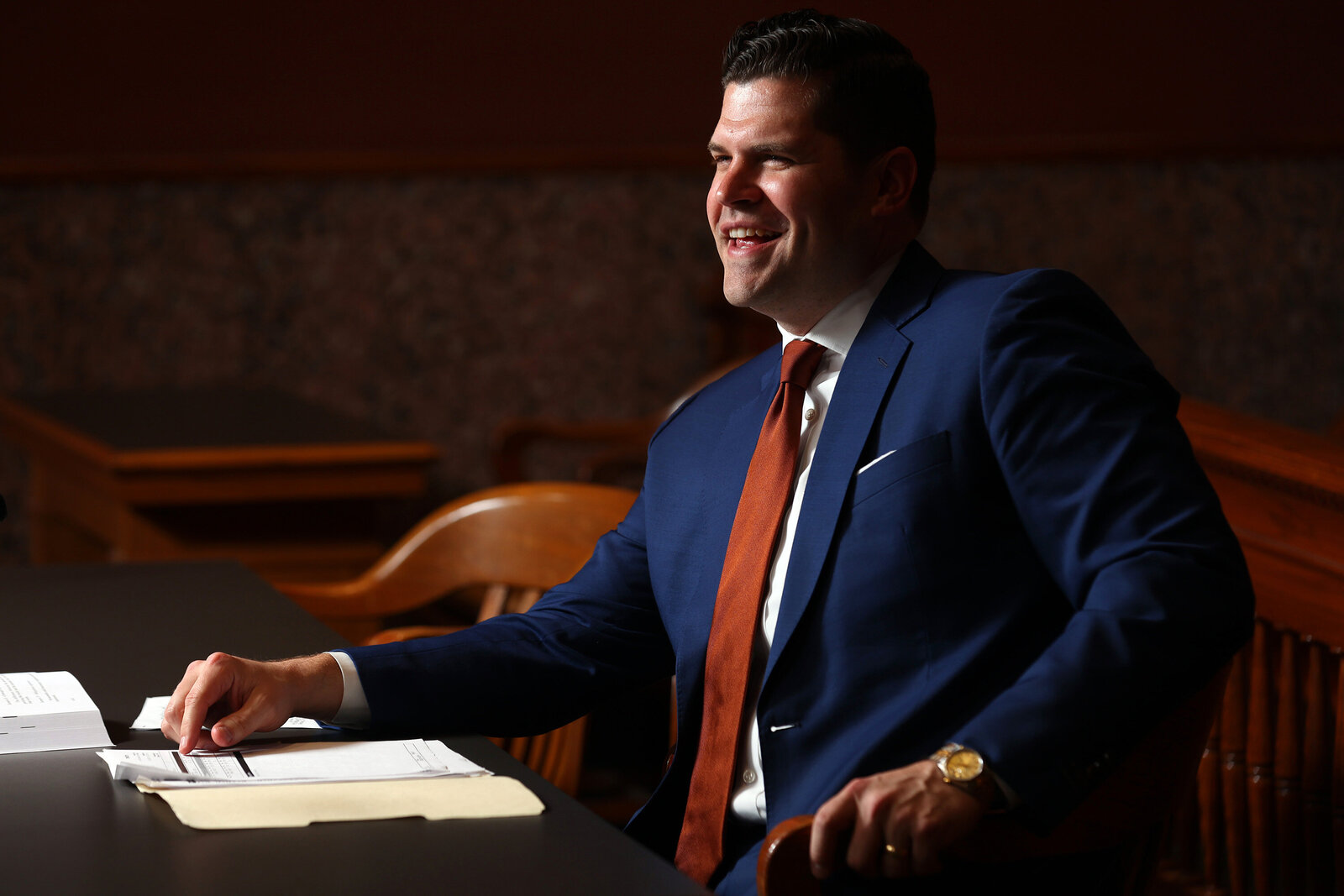
Graham Norris
Principal Attorney & Founder, Norris Legal Group PLLC
Graham Norris is an award-winning criminal defense attorney and former Tarrant County prosecutor with over a decade of courtroom experience. He has earned countless dismissals and not guilty verdicts on charges ranging from misdemeanor assault to felony murder. Graham has been recognized as a National Trial Lawyers Top 40 Under 40 attorney, named a Texas Monthly Super Lawyers Rising Star, and selected as a Top Attorney by Fort Worth Magazine.
Former Assistant District Attorney • Texas A&M School of Law Graduate • Member, National Order of Barristers
Need Legal Help? Call (817) 859-8985





Read the Comments +