


By Graham Norris
Texas has never been lenient on DWI, but the penalties facing drivers in 2026 are measurably harsher than they were two years ago. Several bills passed by the 89th Texas Legislature took effect on September 1, 2025, and they created new felony exposure in situations that previously carried only misdemeanor consequences.
If you or someone close to you has been charged with a DWI anywhere in Texas, the information below lays out exactly where the law stands right now — the actual penalty tiers, the new enhancements, the license consequences, and the deadlines that can’t be missed.
Arrested for DWI in Tarrant County?
You have 15 days to fight a license suspension. Talk to a former Tarrant County prosecutor now.
Available 24/7 • Former Prosecutor • 3,600+ cases handled
What the 89th Legislature Actually Changed
There is a significant amount of misinformation circulating online about which DWI bills became law and which did not. One widely cited proposal, SB 2320, would have reclassified a standard first-time DWI as a Class A misdemeanor and made a BAC of 0.15 or higher a state jail felony. That bill failed in committee and never became law. The baseline DWI penalties under Texas Penal Code §49.04 have not changed at the misdemeanor level.
What did pass carries serious consequences:
Senate Bill 826 added a new subsection to the DWI statute. A DWI committed in a school crossing zone while the reduced speed limit is in effect is now a state jail felony — even for a first-time offender. That means potential confinement of 180 days to two years in a state jail facility and fines up to $10,000, rather than the standard misdemeanor range.
Senate Bill 745 elevated intoxication manslaughter to a first-degree felony when more than one person dies in the same incident. The punishment range jumped from 2–20 years under the previous second-degree classification to 5–99 years or life in prison. Prosecutors no longer need to stack separate charges to pursue life sentences in multi-fatality DWI crashes.
Senate Bill 1886 streamlined how law enforcement executes blood draw warrants. Officers can now carry out a blood warrant in any county adjacent to the one that issued it, cutting down the delays that sometimes allowed critical evidence to degrade.
DWI Penalty Tiers in Texas Right Now
Here is how the current penalty structure breaks down, incorporating the 2025 changes:
First-Time DWI (Class B Misdemeanor): 72 hours to 180 days in county jail and a fine up to $2,000. A conviction triggers a license suspension of 90 days to one year and may require completion of a DWI education program.
DWI with BAC of 0.15 or Higher (Class A Misdemeanor): Up to one year in county jail and a fine up to $4,000. The elevated BAC often prompts prosecutors to push for ignition interlock device (IID) installation and longer probation terms. Challenging the accuracy of breath and blood testing is a critical defense strategy in these cases.
Second DWI (Class A Misdemeanor): 30 days to one year in jail, a fine up to $4,000, and a license suspension of 180 days to two years. Courts frequently mandate IID installation and community service, and probation conditions are significantly stricter.
Third or Subsequent DWI (Third-Degree Felony): Two to ten years in prison and a fine up to $10,000. There is no time limit on how far back prior convictions count — a DWI from 20 years ago still qualifies as a prior offense under Texas law.
DWI with a Child Passenger (State Jail Felony): If a child under 15 is in the vehicle, even a first-time DWI becomes a state jail felony carrying 180 days to two years in state jail and a fine up to $10,000.
DWI in a School Crossing Zone (State Jail Felony — New): Under SB 826, a DWI during active school zone hours carries the same state jail felony range as a DWI with a child passenger.
Each of these tiers also carries collateral consequences: surcharges, increased insurance costs, potential job loss, and long-term effects on your criminal record. In some cases, a DWI expunction may eventually be possible — but only if the case ends in the right way.
Questions about your license or court date?
Get specific advice for your situation before you speak to anyone else.
Text the FirmTwo Cases Running at the Same Time
What catches most people off guard after a DWI arrest is that they are immediately facing two separate proceedings. The criminal case unfolds in court on its own timeline. But the Administrative License Revocation (ALR) hearing is an entirely separate civil process run through the Texas Department of Public Safety.
You have exactly 15 days from the date you receive the notice of suspension to request an ALR hearing. Miss that window and the suspension takes effect automatically on the 40th day after arrest. A refused breath or blood test triggers a 180-day suspension; a failed test triggers a 90-day suspension for a first offense. Those periods increase sharply with prior offenses.
The ALR hearing also provides something many defendants don’t realize: an early opportunity to cross-examine the arresting officer under oath. Testimony and evidence from the ALR hearing can reveal weaknesses in the state’s case — inconsistencies in the officer’s report, problems with field sobriety test administration, or issues with how a blood or breath sample was collected — that directly benefit the criminal defense.
Why Every Day After an Arrest Counts
DWI cases in Texas move on multiple fronts simultaneously, and the most consequential deadlines arrive within the first two weeks. Evidence — dash cam footage, body cam recordings, dispatch logs — has a shelf life. Witnesses relocate or forget details. And the ALR clock does not pause while you weigh your options.
The difference between a conviction that follows you for decades and a case that ends in dismissal or reduction often comes down to what happens in the first few days after arrest.
Don’t miss the 15-day ALR deadline
Protect your license and your record. Talk to Graham Norris today.
Call (817) 859-8985 Free ConsultationYour Defense Starts Now
At Norris Legal Group, Graham Norris brings a former prosecutor’s insight to every DWI case — the same perspective Tarrant County prosecutors will use against you, applied in your defense. With more than 3,600 cases handled and over 400 dismissals, the firm treats every client with dignity while fighting aggressively to protect their future.
If you have been arrested for DWI in Fort Worth or anywhere in Tarrant County, call (817) 859-8985 for a free consultation. The sooner you act, the more options are on the table.
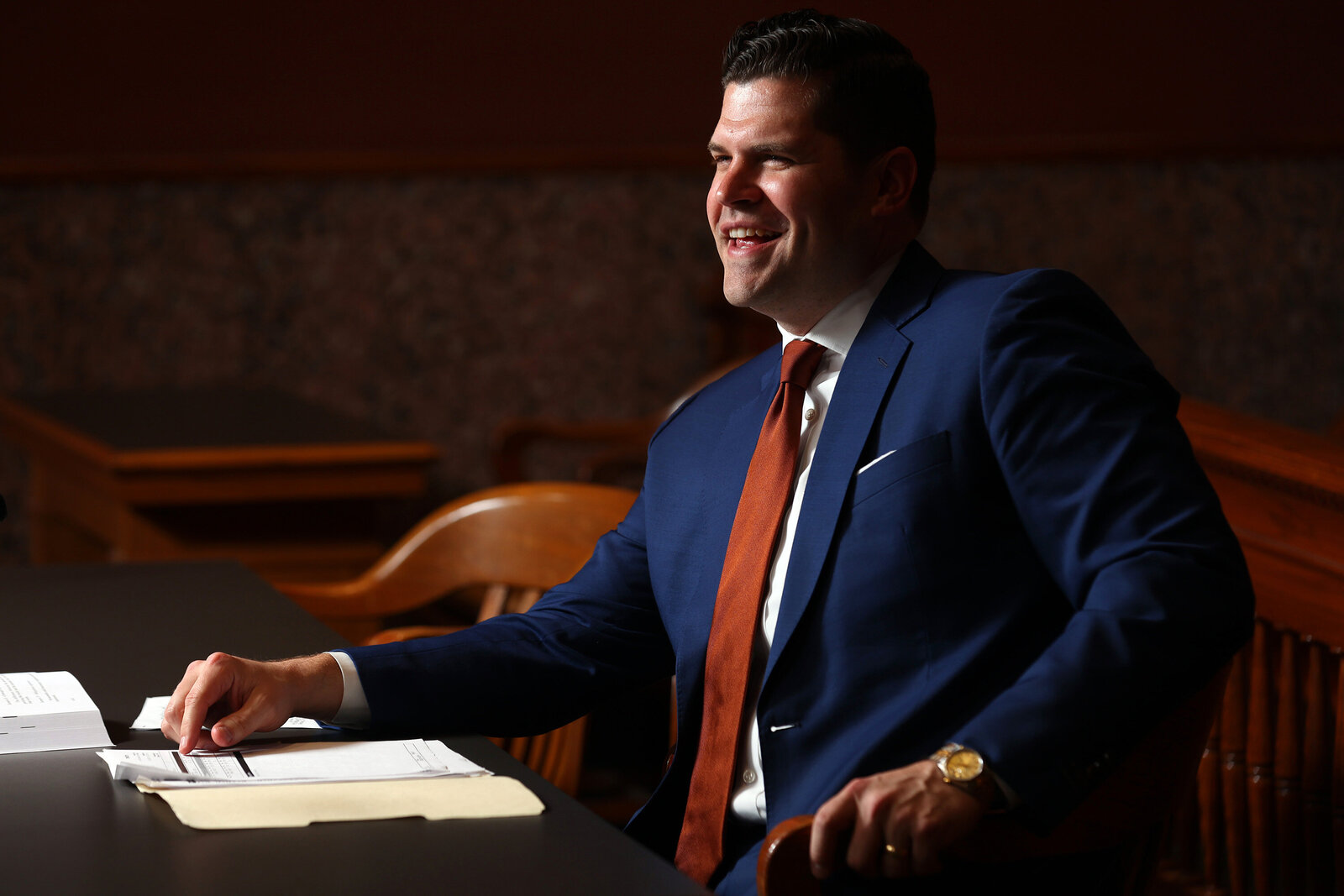
Graham Norris
Principal Attorney & Founder, Norris Legal Group PLLC
Graham Norris is an award-winning criminal defense attorney and former Tarrant County prosecutor with over a decade of courtroom experience. He has earned countless dismissals and not guilty verdicts on charges ranging from misdemeanor assault to felony murder. Graham has been recognized as a National Trial Lawyers Top 40 Under 40 attorney, named a Texas Monthly Super Lawyers Rising Star, and selected as a Top Attorney by Fort Worth Magazine.
Former Assistant District Attorney • Texas A&M School of Law Graduate • Member, National Order of Barristers
Need Legal Help? Call (817) 859-8985





Read the Comments +