

By Graham Norris
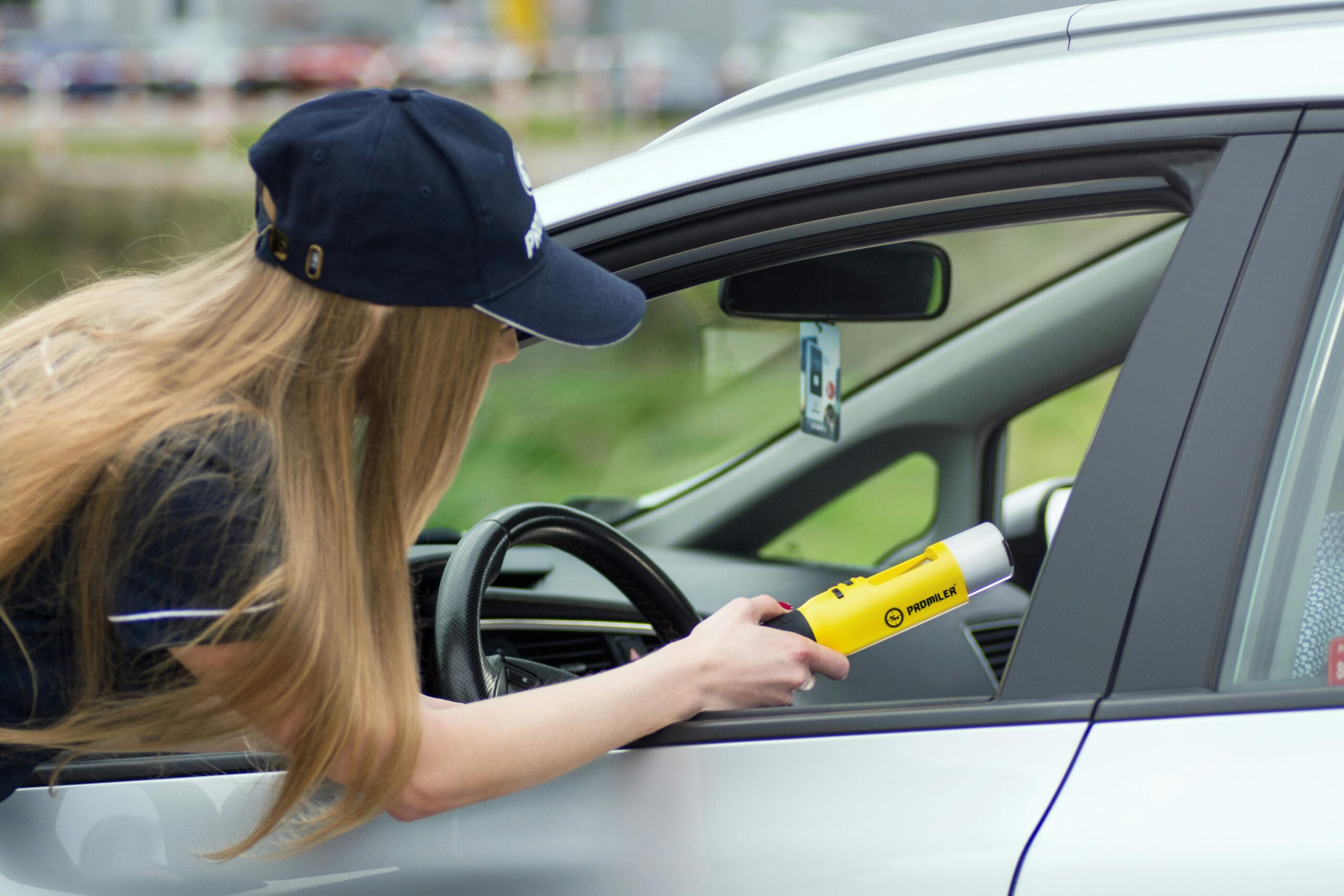
Saying no to a breathalyzer during a Texas DWI stop feels like a smart move in the moment. No breath sample, no BAC reading, no easy case for the prosecution — right? The reality is more complicated. Texas law was designed precisely for that moment, and the consequences of refusing begin before you ever set foot in a courtroom.
Here’s what actually happens after you refuse — and what your defense options look like.
Arrested for DWI in Tarrant County?
You have 15 days to fight a license suspension. Talk to a former Tarrant County prosecutor now.
Available 24/7 • Former Prosecutor • 3,600+ cases handled
Texas Implied Consent: Why Refusal Has Consequences
Texas operates under an implied consent law, codified in Chapter 724 of the Texas Transportation Code. The law holds that by driving on Texas roads, you have already agreed — in advance — to submit to chemical testing if you are lawfully arrested for DWI.
This consent isn’t something an officer asks for. It was given the moment you accepted your Texas driver’s license.
Refusing a post-arrest chemical test doesn’t violate criminal law, but it does trigger administrative penalties automatically. For a first-time refusal, your license faces a 180-day suspension. If you have a prior DWI-related enforcement contact on your record within the past ten years, that suspension extends to two years.
What many people don’t realize: that suspension clock starts ticking immediately, and you have only 15 days from your arrest date to request a hearing to fight it. Miss that window, and the suspension takes effect automatically. Learn more about how that process works in what happens at an ALR hearing in Texas.
Field Sobriety Tests vs. Chemical Tests: Different Rules
Not all tests are created equal under Texas law, and the distinction matters.
Standardized Field Sobriety Tests (SFSTs) — the walk-and-turn, one-leg stand, horizontal gaze nystagmus — are voluntary. There is no automatic license suspension for declining them at the roadside. Politely refusing to perform these tests denies officers a key piece of observational evidence.
The post-arrest chemical test is a different matter entirely. This is where implied consent applies. Refusing this test is what triggers the 180-day suspension and opens the door to a blood draw warrant.
The roadside handheld breathalyzer — called a Preliminary Alcohol Screening (PAS) device — also falls into the voluntary category. You are not legally required to blow into it before an arrest has been made.
What Happens Next: The Blood Draw Warrant
Refusing the chemical test doesn’t mean the investigation ends. In Texas, law enforcement can — and frequently does — apply for a search warrant to compel a blood draw. The U.S. Supreme Court has held that officers generally need a warrant to require a blood test from a driver who refuses.
In practice, Texas officers are well-prepared for this. Judges are often on call to review warrant applications quickly — sometimes within minutes — particularly during high-enforcement periods. Once a judge signs that warrant, your refusal becomes legally irrelevant. You will be required to comply with the blood draw.
This matters because blood tests are often considered more accurate than breath tests. If a warrant is obtained, the prosecution may end up with stronger evidence than they would have had from a breath test alone.
There are specific circumstances where Texas law allows mandatory testing without a warrant, including cases involving an accident that caused serious bodily injury or death, a child passenger in the vehicle, or a prior conviction for intoxication assault or intoxication manslaughter.
For more on how blood test evidence is challenged in DWI defense, see Texas DWI blood test accuracy.
Questions about your license or court date?
Get specific advice for your situation before you speak to anyone else.
Text the FirmRefusal as Evidence Against You
Here is the piece that catches many people off guard: your refusal can be used against you in court.
Prosecutors are permitted to tell a jury that you refused the test, and they will often argue this shows a “consciousness of guilt” — that you knew you were intoxicated and didn’t want documentation of it. This argument doesn’t require a BAC number. The act of refusal itself becomes part of the prosecution’s case.
This doesn’t mean refusal is always the wrong call. Without a BAC reading, the prosecution must rely on officer observations, field sobriety test results, and other circumstantial evidence. That can leave more room for reasonable doubt. But the strategic calculation depends entirely on the facts of your specific situation — which is exactly why you need an attorney before you reach any conclusion about what your refusal means for your case.
What Refusal Does and Doesn’t Protect You From
Let’s be direct about what refusal accomplishes — and what it doesn’t.
Refusal may:
- Prevent the prosecution from having a BAC reading on record (if no warrant is obtained)
- Leave more room for doubt in court based on the weakness of observational evidence alone
Refusal does not:
- Prevent your arrest
- Stop a blood draw warrant from being obtained
- Shield you from a DWI charge — Texas law allows conviction based on evidence of impairment even without a chemical test result
- Avoid the 180-day administrative license suspension
The bottom line is that a refusal is a legal event with consequences on two separate tracks: the criminal case and the administrative license case. Both require attention, and both have deadlines. For a broader look at defense strategies, see how to fight a DWI in Texas.
The 15-Day Deadline You Cannot Afford to Miss
Once you’ve been arrested for DWI and have refused testing, the clock is running. You have 15 days to request an Administrative License Revocation (ALR) hearing to contest the suspension of your license. This hearing is entirely separate from your criminal case, and it does not happen automatically — you must request it.
An attorney can represent you at the ALR hearing and may also use it strategically. Testimony gathered at that hearing can sometimes provide valuable insight into the state’s evidence before the criminal case goes forward.
Don’t miss the 15-day ALR deadline
Protect your license and your record. Talk to Graham Norris today.
Call (817) 859-8985 Free ConsultationFacing DWI Refusal Charges in Fort Worth? Contact Norris Legal Group
A DWI refusal is not the end of the road, but how you respond in the days immediately following your arrest can shape everything. At Norris Legal Group, Graham Norris brings both prosecutorial experience and a fierce commitment to every client’s defense — built on the principles of Dignity, Trust, and Fight.
With over 3,600 cases handled and more than 400 dismissals, the firm knows how to challenge evidence, fight ALR suspensions, and take on DWI cases from every angle.
Don’t wait on the 15-day deadline. Contact Norris Legal Group today for a free consultation.
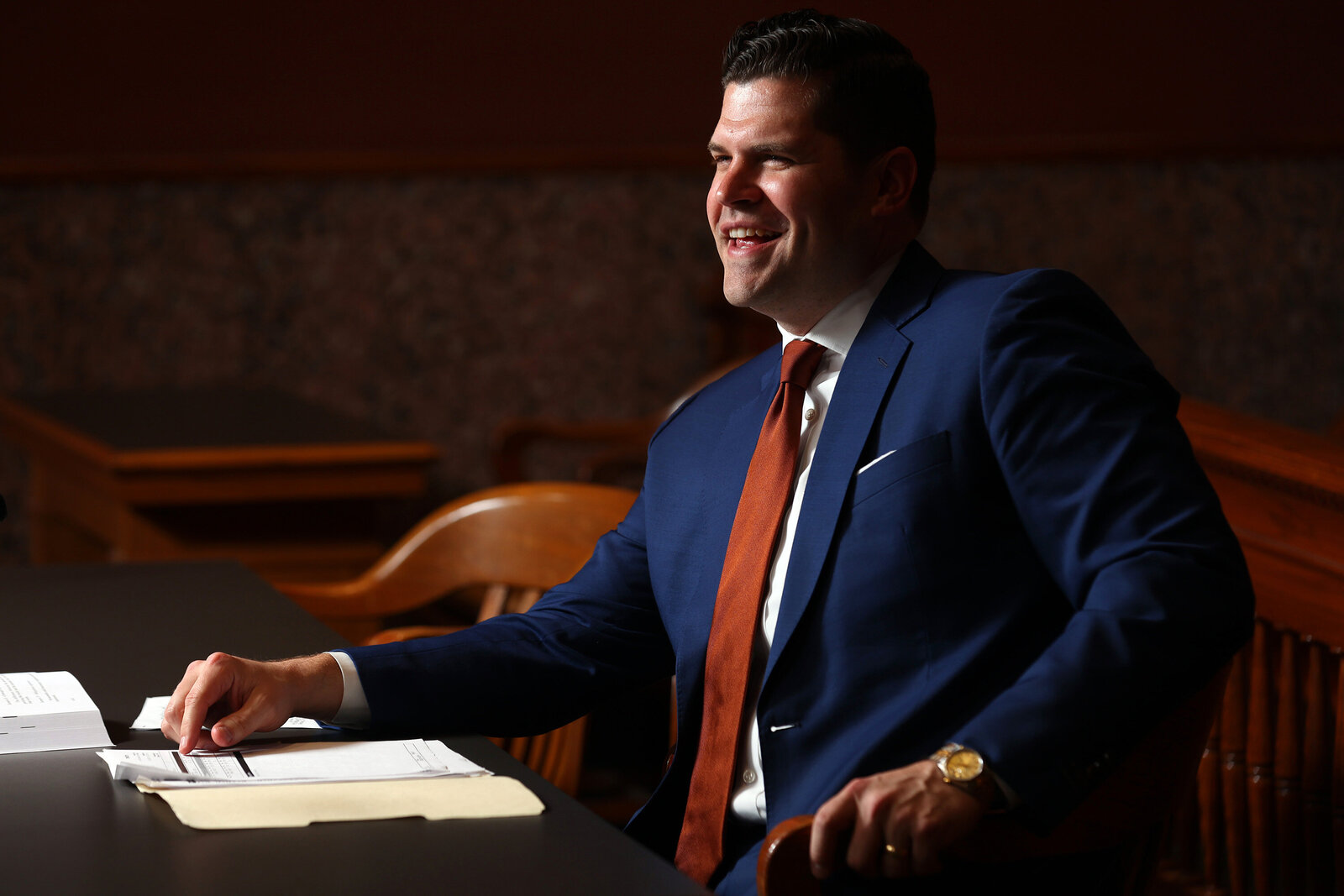
Graham Norris
Principal Attorney & Founder, Norris Legal Group PLLC
Graham Norris is an award-winning criminal defense attorney and former Tarrant County prosecutor with over a decade of courtroom experience. He has earned countless dismissals and not guilty verdicts on charges ranging from misdemeanor assault to felony murder. Graham has been recognized as a National Trial Lawyers Top 40 Under 40 attorney, named a Texas Monthly Super Lawyers Rising Star, and selected as a Top Attorney by Fort Worth Magazine.
Former Assistant District Attorney • Texas A&M School of Law Graduate • Member, National Order of Barristers
Need Legal Help? Call (817) 859-8985





Read the Comments +