

By Graham Norris
Most people facing a DWI charge assume the evidence against them is fixed — that once there’s a BAC number, a police report, and an officer willing to testify, the case is essentially closed. That assumption is wrong, and it costs defendants every day.
A motion to suppress is one of the most powerful tools in DWI defense. When law enforcement cuts corners, violates your constitutional rights, or fails to follow proper procedure, the evidence they collected may be legally barred from court entirely. No breathalyzer result. No field sobriety observations. In some cases, no case at all.
Here’s how it works — and why the circumstances of your stop matter as much as what happened after it.
Arrested for DWI in Tarrant County?
You have 15 days to fight a license suspension. Talk to a former Tarrant County prosecutor now.
Available 24/7 • Former Prosecutor • 3,600+ cases handled
What a Motion to Suppress Actually Does
According to Cornell Law School’s Legal Information Institute, a motion to suppress is a pretrial request asking a court to exclude evidence that was obtained in violation of a defendant’s constitutional rights. It is grounded in the Fourth Amendment’s protection against unreasonable searches and seizures, and it is decided by a judge — not a jury — before the trial ever begins.
If the judge grants the motion, the suppressed evidence cannot be used against you at trial. If that evidence was the foundation of the prosecution’s case — a BAC reading, blood test results, or officer observations from the stop — its removal can fundamentally change what the state can prove.
This is not a technicality. It is the Constitution doing exactly what it was designed to do.
The Stop Has to Be Legal — Full Stop
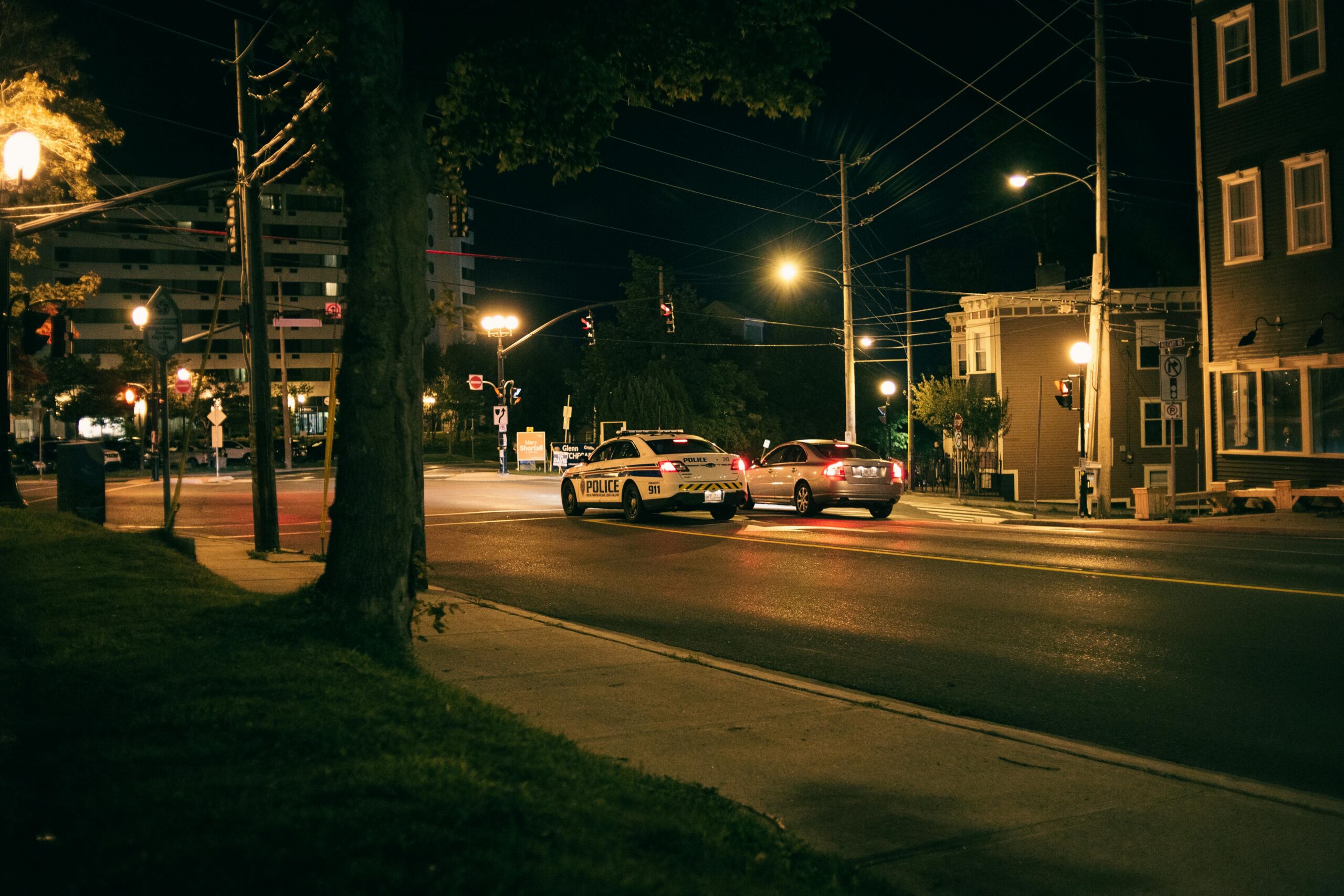
Every Texas DWI case begins with a traffic stop, and that stop must be legally justified. An officer cannot pull you over based on a hunch, a feeling, or a profile. The law requires reasonable suspicion — a specific, articulable fact that a traffic violation or criminal activity has occurred.
If that standard wasn’t met, everything that followed the stop may be tainted. This is the “fruit of the poisonous tree” doctrine: if the tree (the stop) was poisoned, the fruit (the evidence collected) is inadmissible too.
Common grounds for challenging the legality of a stop include:
- The officer could not point to a specific traffic violation that actually occurred
- The alleged violation was so minor or ambiguous it didn’t constitute genuine reasonable suspicion
- Dashcam or bodycam footage contradicts the officer’s written account of what prompted the stop
- The stop was pretextual — meaning a minor infraction was used as cover to investigate suspected DWI without adequate basis
This is why the video evidence in your case is so critical. Officers write reports, but cameras don’t editorialize. When those two records don’t match, that gap can become the foundation of a successful suppression motion. For a broader look at how evidence gets challenged in DWI cases, see how to fight a DWI in Texas.
Probable Cause to Arrest: A Separate Hurdle
Even if the initial stop was valid, law enforcement faces a second legal standard before making an arrest: probable cause. Reasonable suspicion to pull you over does not automatically translate into justification for an arrest. The officer must develop enough evidence during the encounter to establish probable cause that you were driving while intoxicated.
If that threshold wasn’t legitimately reached — for example, if the officer skipped steps, misinterpreted observations, or relied on improperly administered field sobriety tests — the arrest itself may be challengeable, and everything collected after it may be suppressible along with it.
Questions about your license or court date?
Get specific advice for your situation before you speak to anyone else.
Text the FirmWhen Blood Draw Warrants Can Be Challenged
Even evidence obtained through a warrant isn’t automatically bulletproof. A blood draw warrant must meet specific constitutional and procedural requirements. If the affidavit supporting the warrant contained inaccurate information, lacked sufficient probable cause, or was obtained improperly, the warrant itself can be attacked.
Beyond the warrant, the blood draw procedure must follow proper protocols: the right antiseptic must be used, the sample must be handled and stored correctly, and the chain of custody — the documented trail of who handled your blood vial from collection to lab analysis — must be airtight. A single break in that chain can raise serious questions about the reliability of the test result.
For more on how blood evidence is examined in Texas DWI defense, see Texas DWI blood test accuracy.
Field Sobriety Tests: Procedural Failures Matter
The National Highway Traffic Safety Administration (NHTSA) sets strict standardized protocols for how field sobriety tests must be administered. Officers are trained to follow these procedures precisely — and when they don’t, the test results lose their evidentiary value.
Grounds for challenging field sobriety evidence include:
- Tests were conducted on uneven, sloped, or poorly lit surfaces
- The officer failed to properly demonstrate the test before asking the driver to perform it
- Instructions were unclear, rushed, or given incorrectly
- Physical or medical conditions affecting balance or coordination were ignored
- The officer’s scoring of the test deviated from NHTSA standards
These aren’t minor quibbles. The validity of field sobriety evidence depends entirely on the reliability of the administration. Improperly conducted tests don’t meet the standard required for admission as credible evidence of impairment. Learn how these issues fit into the broader picture of DWI defense in Texas.
What Happens at a Suppression Hearing
Once a motion to suppress is filed, the court schedules a hearing. The defense presents its arguments and supporting evidence — dashcam footage, bodycam recordings, maintenance logs for breathalyzer equipment, witness testimony. The prosecution argues why the evidence should be admitted.
The judge evaluates the totality of the circumstances and makes a ruling. There is no jury present. If the motion is granted, the suppressed evidence is gone from the case. If it was central enough to the prosecution’s theory, the charges may not survive its removal.
This is also why the ALR process matters beyond the license question. Testimony developed at an ALR hearing can sometimes surface information useful to the suppression fight in the criminal case — another reason to act quickly and comprehensively from the start.
Don’t miss the 15-day ALR deadline
Protect your license and your record. Talk to Graham Norris today.
Call (817) 859-8985 Free ConsultationYour Case Deserves a Thorough Review — Not an Assumption
If you’ve been charged with DWI in Fort Worth or the surrounding Tarrant County area, the question isn’t only what the evidence shows. It’s whether that evidence should be in the courtroom at all.
Graham Norris built Norris Legal Group on the belief that every client deserves a defense that goes to the root of the case. With a background as a former Tarrant County prosecutor, he knows how the state builds DWI cases — and exactly where they can be taken apart. Over 3,600 cases handled. More than 400 dismissals.
If you haven’t had someone look closely at how your stop was conducted, your arrest was made, and your evidence was collected — that review starts now. Contact Norris Legal Group for a free, confidential consultation.
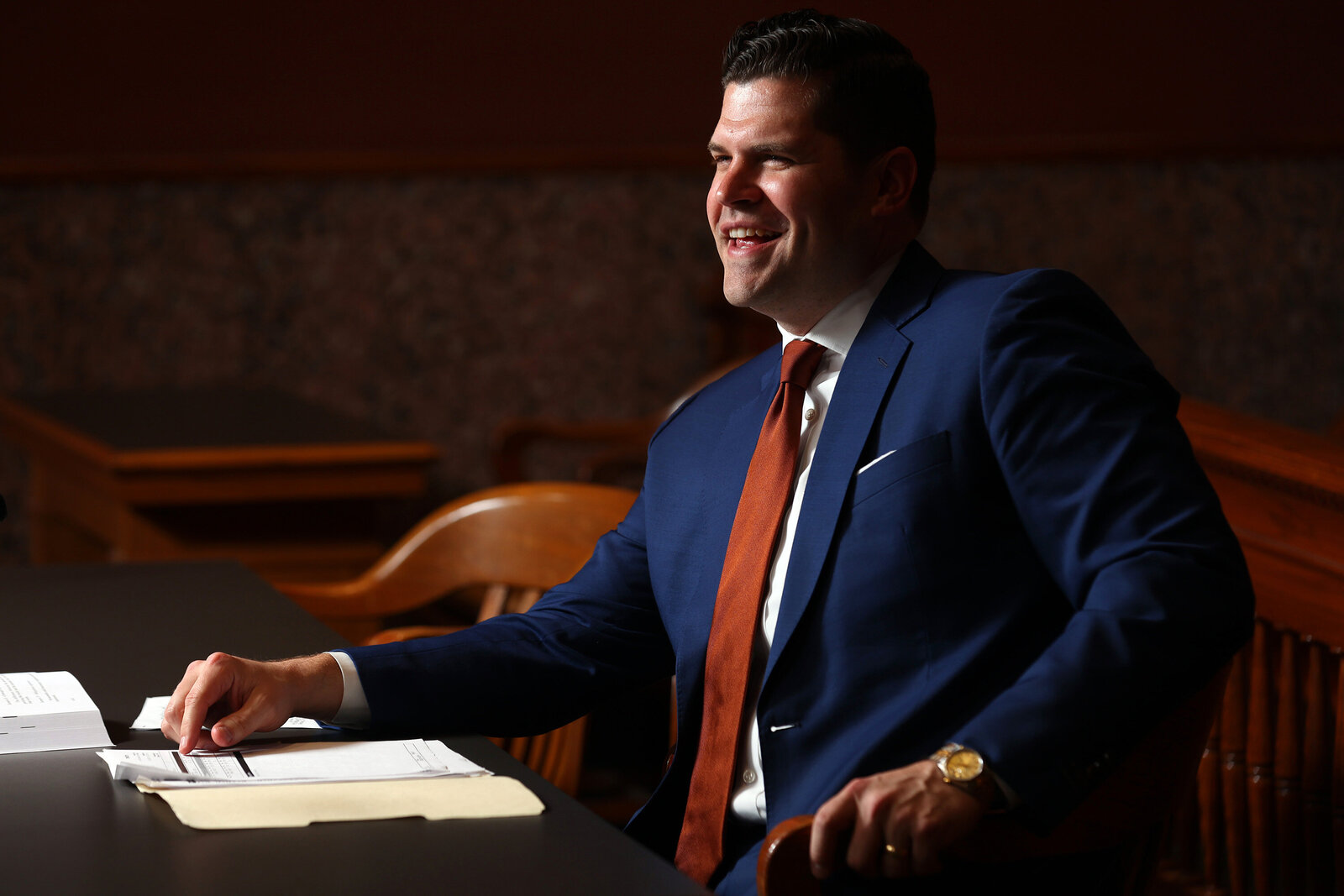
Graham Norris
Principal Attorney & Founder, Norris Legal Group PLLC
Graham Norris is an award-winning criminal defense attorney and former Tarrant County prosecutor with over a decade of courtroom experience. He has earned countless dismissals and not guilty verdicts on charges ranging from misdemeanor assault to felony murder. Graham has been recognized as a National Trial Lawyers Top 40 Under 40 attorney, named a Texas Monthly Super Lawyers Rising Star, and selected as a Top Attorney by Fort Worth Magazine.
Former Assistant District Attorney • Texas A&M School of Law Graduate • Member, National Order of Barristers
Need Legal Help? Call (817) 859-8985





Read the Comments +