

By Graham Norris
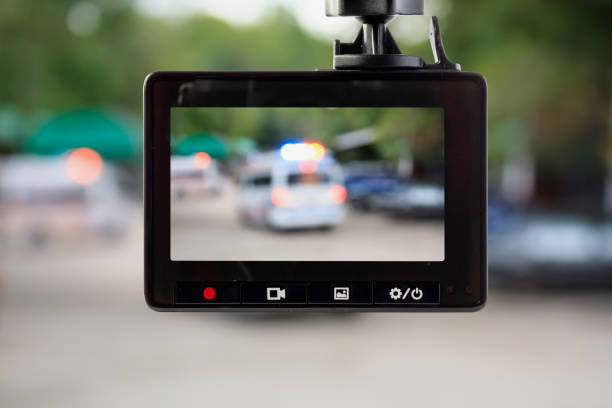
Police reports are written after the fact, filtered through an officer’s memory and judgment. Video is not. In Fort Worth DWI cases, dash cam and body cam footage can be the single most powerful piece of evidence in the room — and depending on what it shows, it can work just as powerfully for the defense as it does for the prosecution. The key is knowing how to get it, read it, and use it before the window to act closes.
Arrested for DWI in Tarrant County?
You have 15 days to fight a license suspension. Talk to a former Tarrant County prosecutor now.
Available 24/7 • Former Prosecutor • 3,600+ cases handled
What Gets Recorded and When
Most Fort Worth patrol vehicles are equipped with dashboard cameras that activate when emergency lights turn on. That means the recording typically begins before the officer even reaches your window — capturing your vehicle’s movement, your pull-over, and the entire roadside interaction that follows.
Body cameras add a second angle. Worn by the officer, they document the encounter up close: your demeanor, your speech, how field sobriety tests were administered, and the officer’s conduct throughout. Together, these two feeds create a near-complete record of the stop — one that doesn’t forget details, doesn’t embellish, and doesn’t change its story.
Under the Texas Code of Criminal Procedure, Chapter 2, if you are arrested for DWI, you have a right to obtain a copy of any video recording made during the stop. Your attorney obtains this through the discovery process — a formal written request that must be filed promptly. The state is required to provide a true and correct copy before the 20th day prior to any proceeding.
Why Video Often Helps the Defense
The assumption most people make is that video hurts the defendant. That’s not always true — and in cases where the officer’s written report doesn’t match what the camera captured, the footage can become your most effective tool.
Here are some of the ways dash cam and body cam footage works in favor of the defense:
The driving was unremarkable. An officer’s report may claim the stop was initiated due to weaving, lane departure, or erratic behavior. If the dash cam shows normal, controlled driving in the moments leading up to the stop, that directly undermines the stated basis for the stop itself — and opens the door to the kind of Fourth Amendment challenge at the heart of a Texas DWI motion to suppress.
The field sobriety tests tell a different story. Officers score field sobriety tests against NHTSA standardized criteria. But the score is written in the report — the actual performance is on video. If the footage shows someone who followed instructions, maintained reasonable balance, and showed no obvious signs of impairment, that footage directly contradicts a report saying otherwise. Environmental factors show up too: uneven pavement, passing headlights, a steep shoulder — details that explain why someone stumbled that have nothing to do with alcohol.
The officer’s conduct is on record. Body cam footage captures everything the officer said and did — including whether Miranda rights were given before any questioning, whether the 15-minute observation period before a breath test was actually observed, and whether the arrest followed proper legal procedure. Procedural failures that appear in the video can directly support a motion to suppress the evidence that followed. That procedural scrutiny is just as relevant to challenges against roadside breath test results in Texas.
Your demeanor tells a story too. If you spoke clearly, responded calmly, and showed no signs of physical impairment on camera, that footage is powerful evidence to put in front of a jury or present to a prosecutor during negotiations.
When Video Cuts Against You — and What to Do About It
Not every recording helps the defense, and an honest defense attorney will tell you that upfront. If the footage clearly shows impaired behavior, slurred speech, failed sobriety tests, or a legitimate traffic violation that justified the stop, the strategic approach shifts.
In those situations, the defense focuses on other elements: whether the breath or blood test was properly administered, whether the BAC result accurately reflects what was in your system while driving — a question at the center of the rising BAC defense in Texas DWI cases — or whether there are procedural violations that make other evidence suppressible regardless of what the video shows.
Video that appears unfavorable can also be contextualized. A defense attorney who reviews the footage frame by frame may identify factors the average viewer would miss: poor lighting that distorts how behavior appears, audio that makes instructions inaudible, or camera angles that misrepresent distance and balance. These aren’t excuses — they’re legitimate evidentiary arguments about what the footage actually proves.
Questions about your license or court date?
Get specific advice for your situation before you speak to anyone else.
Text the FirmThe Retention Window Is Shorter Than You Think
Texas law requires law enforcement agencies to retain body cam and dash cam footage for a minimum of 90 days. After that window, footage may be automatically overwritten or deleted unless it has been flagged for preservation.
This makes timing critical. If you or someone you know was arrested for DWI in Fort Worth, getting an attorney involved quickly isn’t just good advice — it’s a practical necessity for preserving evidence that could define the case. A formal preservation request needs to go out well before the 90-day clock runs out.
Don’t miss the 15-day ALR deadline
Protect your license and your record. Talk to Graham Norris today.
Call (817) 859-8985 Free ConsultationVideo Is a Starting Point, Not a Verdict
In Graham Norris’s approach to DWI defense, reviewing every available piece of evidence — including all video footage from the stop — is step one, not an afterthought. As a former Tarrant County prosecutor, he knows how the state uses this footage and where it falls short.
If you’re facing DWI charges in Fort Worth, contact Norris Legal Group for a free consultation. The footage may be the most important thing in your case — but only if someone’s actually looking at it.
Graham Norris
Principal Attorney & Founder, Norris Legal Group PLLC
Graham Norris is an award-winning criminal defense attorney and former Tarrant County prosecutor with over a decade of courtroom experience. He has earned countless dismissals and not guilty verdicts on charges ranging from misdemeanor assault to felony murder. Graham has been recognized as a National Trial Lawyers Top 40 Under 40 attorney, named a Texas Monthly Super Lawyers Rising Star, and selected as a Top Attorney by Fort Worth Magazine.
Former Assistant District Attorney • Texas A&M School of Law Graduate • Member, National Order of Barristers
Need Legal Help? Call (817) 859-8985





Read the Comments +