

By Graham Norris
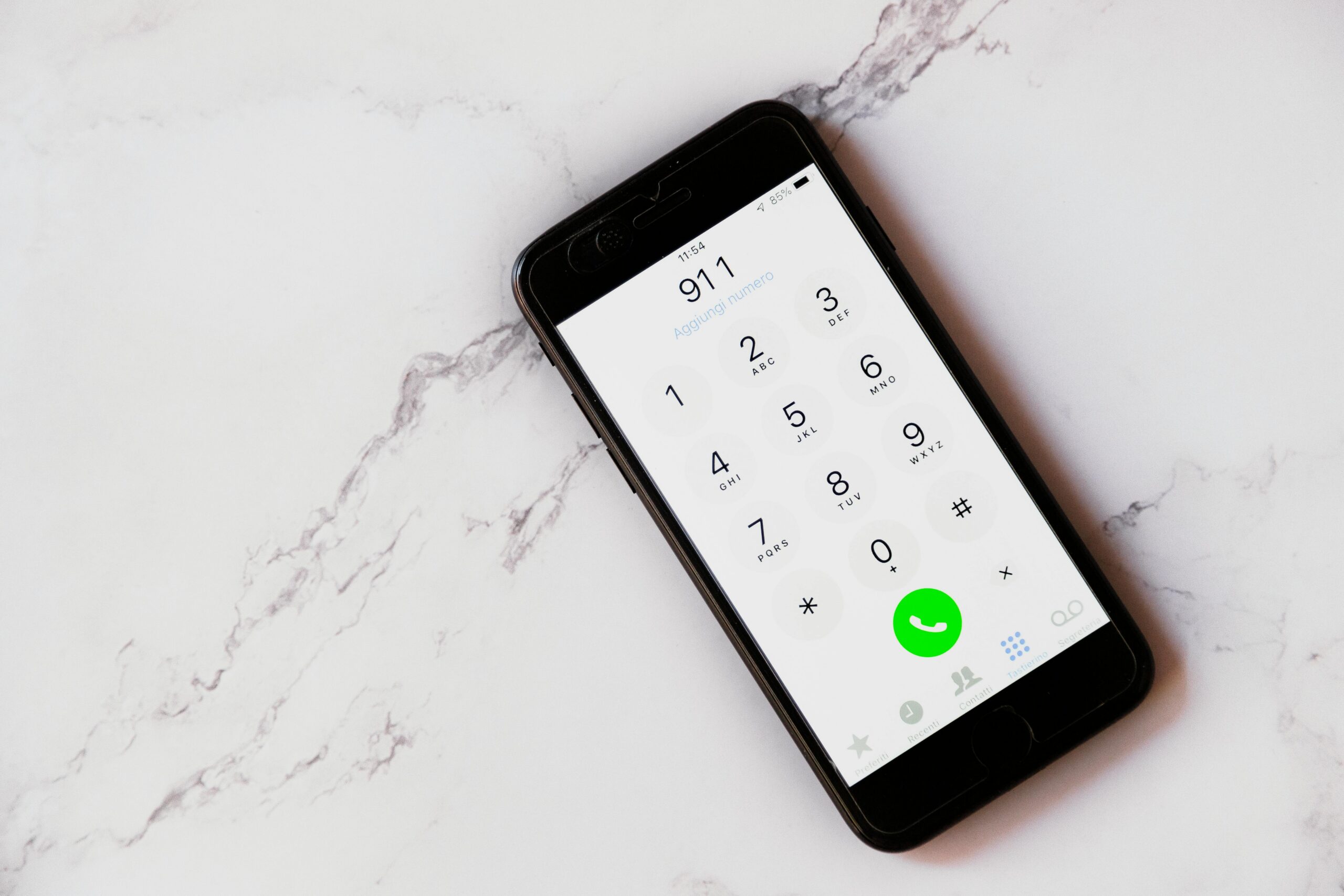
In a Texas assault or self-defense case, the 911 call is often the first piece of evidence that frames everything that follows. What gets said in those first panicked minutes — before anyone has a chance to think carefully, reconsider, or consult anyone — can become one of the most difficult pieces of evidence to fight. But the timing of that call, who made it, and the circumstances surrounding it also open real windows for the defense. Understanding how this evidence works is the first step to countering it.
Accused of Assault in Tarrant County?
An accusation is not a conviction. Get a former prosecutor to challenge the case against you now.
Domestic violence • Assault causing bodily injury • Family violence • Protective orders
What an Excited Utterance Is — and Why It Gets Into Court
Hearsay — a statement made outside of court, offered to prove the truth of what it says — is generally inadmissible as evidence. The rules exist for good reason: out-of-court statements can’t be cross-examined, tested, or verified in the same way as live testimony.
The excited utterance exception carves out a specific category of statements that courts treat differently. Under Texas Rule of Evidence 803(2), a statement qualifies as an excited utterance when three conditions are met: a startling event occurred, the speaker made the statement while still under the stress of that event, and the statement relates to the event itself.
The legal theory behind the exception is that someone reacting in genuine shock or distress doesn’t have the composure to fabricate. The spontaneity, the argument goes, is itself a form of reliability. That’s what allows a 911 call — made in the middle of a chaotic moment — to be played for a jury even if the person who made it never takes the stand.
How This Plays Out in Assault Cases
In Texas assault and family violence cases, this exception matters enormously. A complainant calls 911 in the immediate aftermath of an altercation. They’re emotional, possibly frightened, and describing events as they experienced them in that moment. Officers arrive, and whatever the caller said — to the dispatcher, and often to the first responding officer — is likely to come in as evidence regardless of whether the complainant later decides to cooperate with the prosecution.
This is one reason why family violence cases can proceed even when the alleged victim walks back their original account or declines to testify. The 911 call and the first officer’s observations frequently carry enough evidentiary weight to keep a case moving forward without the complainant’s active participation.
What this means practically is that the first statements made in those minutes — before anyone has settled down, before the full story has been heard, before context has been established — become the lens through which a jury may first see the entire event.
Timing Is Everything
The excited utterance exception doesn’t apply indefinitely. Its foundation is spontaneity — the idea that the speaker had no opportunity for reflection or fabrication. As time passes after the triggering event, the emotional state that makes a statement an excited utterance fades, and with it the legal justification for treating that statement as inherently reliable.
Courts look at several factors when determining whether the exception applies: how much time passed between the event and the statement, whether the speaker had calmed down, whether they had spoken to anyone else in the interim, and whether there were signs of deliberate reflection rather than immediate reaction.
A statement made to a dispatcher in real time while an incident is still unfolding is almost certainly going to qualify. A detailed narrative given to an officer who arrived 45 minutes later, after the situation had settled, sits in a far grayer area — and a skilled defense attorney will push hard on that line.
Want the charges reduced or dismissed?
Let a former prosecutor evaluate weaknesses in the evidence and any self-defense claim.
Text the FirmWhat the Defense Does With This Evidence
Graham Norris’s approach to assault cases — drawn from his work in both prosecution and defense — starts with one principle: understand exactly what happened before addressing what everyone else says happened. As he describes it, gathering every version of events — the police report, witness statements, and whatever the complainant said in those first moments — is essential to identifying where the inconsistencies live.
In 911 call situations, the defense examines several things:
Does the call match the physical evidence? If the complainant described a severe assault on the call but the responding officer noted minimal visible injury, that gap is worth exploring. Dashcam and body cam footage — discussed in detail in the context of Fort Worth DWI cases, but equally relevant in assault — often captures the scene as it actually appeared, not as it was described.
What was the caller’s state of mind — and their motive? The excited utterance exception assumes genuine spontaneity. But people in the middle of volatile relationships sometimes call 911 strategically, or say things in anger that don’t reflect what actually occurred. As Graham Norris notes, when a complainant later recants or walks back their account, it’s often because they exaggerated or misstated things in the heat of the moment. Helping establish that reality — including through an affidavit if appropriate — is part of how these cases can be resolved. That dynamic is covered more fully in how to get assault charges dropped in Texas.
Was the original statement testimonial? The U.S. Supreme Court has drawn a distinction between statements made to stop an ongoing emergency — which are treated as non-testimonial and generally admissible — and statements made after an emergency has ended, where the primary purpose shifts to building a record for prosecution. That distinction can become a legitimate basis for challenging whether a statement should come in at all.
Were there context and self-defense facts the 911 call left out? A 911 call captures one person’s immediate, emotionally charged account. It rarely includes the context that preceded the incident — what led up to the confrontation, who escalated it, and whether the person now charged was acting to protect themselves or someone else. Texas self-defense law is built on exactly that context, and the Texas Penal Code’s self-defense provisions exist precisely because the law recognizes that not all use of force is criminal.
Charged or questioned about assault?
Get a defense strategy before you talk to law enforcement or the DA.
Call (817) 859-8985 Free ConsultationWhat to Do If a 911 Call Is Part of Your Case
If you’ve been charged with assault in Texas and a 911 call is in the mix, the time to act is now. That recording is already in evidence. What matters from this point forward is how thoroughly the rest of the story gets told — the context, the inconsistencies, and the facts that didn’t make it onto that call.
At Norris Legal Group, Graham Norris has handled over 3,600 cases and built his defense approach on the belief that every version of events has gaps — and that finding those gaps is the foundation of an effective defense. Contact the firm today for a free consultation.
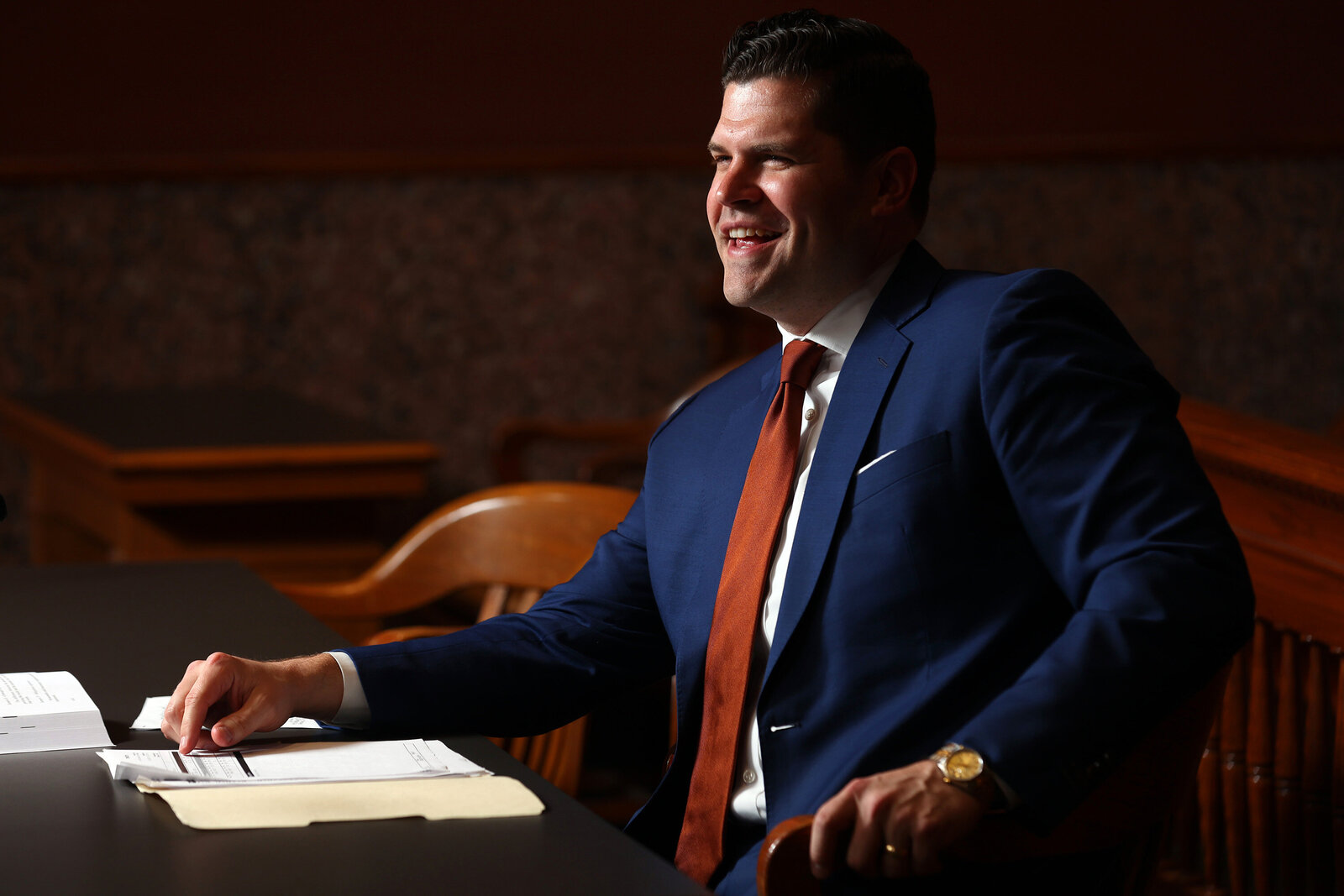
Graham Norris
Principal Attorney & Founder, Norris Legal Group PLLC
Graham Norris is an award-winning criminal defense attorney and former Tarrant County prosecutor with over a decade of courtroom experience. He has earned countless dismissals and not guilty verdicts on charges ranging from misdemeanor assault to felony murder. Graham has been recognized as a National Trial Lawyers Top 40 Under 40 attorney, named a Texas Monthly Super Lawyers Rising Star, and selected as a Top Attorney by Fort Worth Magazine.
Former Assistant District Attorney • Texas A&M School of Law Graduate • Member, National Order of Barristers
Need Legal Help? Call (817) 859-8985





Read the Comments +