

By Graham Norris
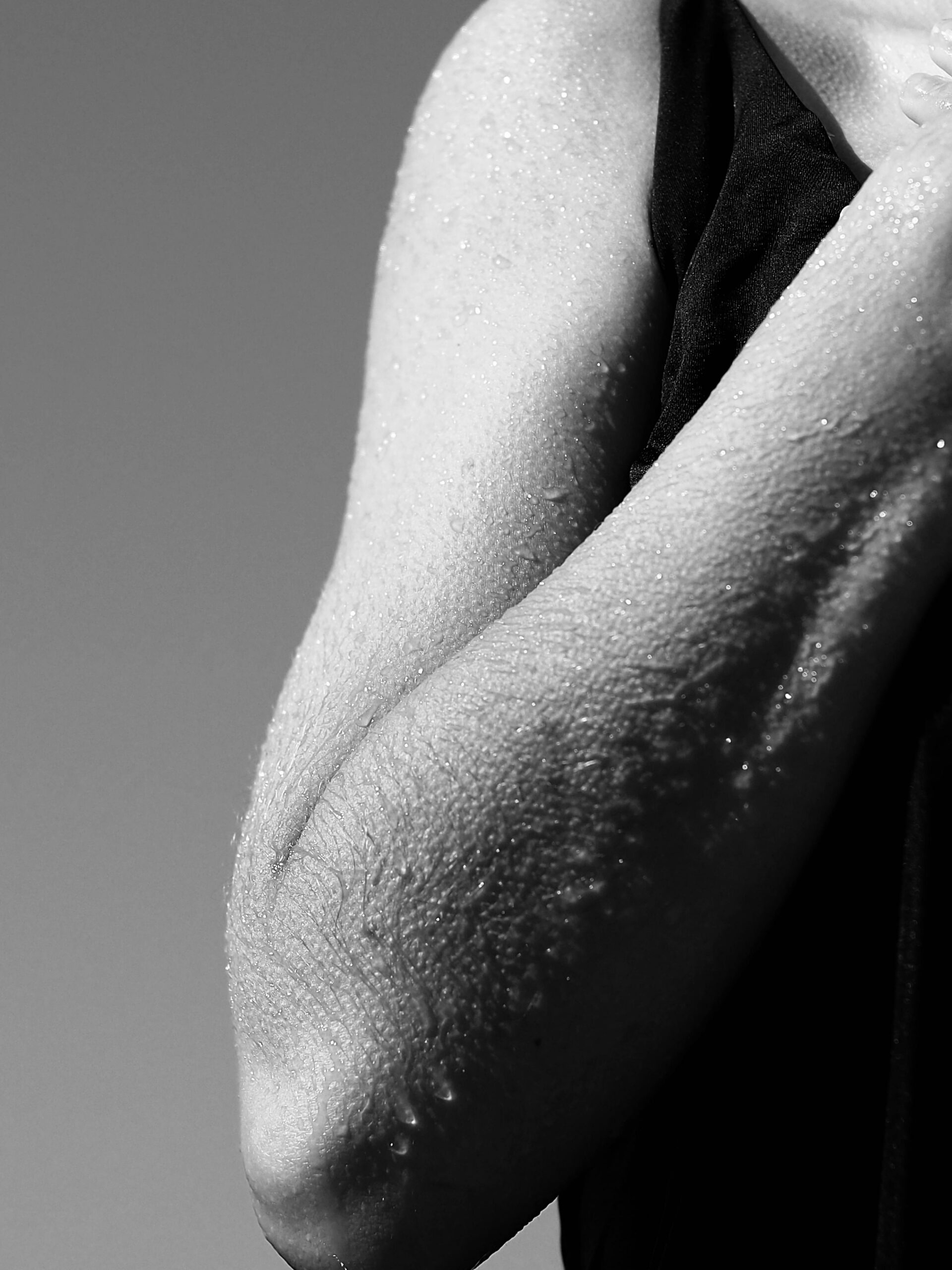
A photo of a bruise feels like proof. It’s visual, it’s concrete, and in a courtroom it lands with emotional weight that’s hard to argue against. But in Texas assault cases, injury photos document an outcome — not a cause. They show that someone was hurt. They don’t show who threw the first punch, what happened in the minutes before, or whether the person charged was defending themselves when the contact occurred. That distinction is where many of these cases actually get fought.
Accused of Assault in Tarrant County?
An accusation is not a conviction. Get a former prosecutor to challenge the case against you now.
Domestic violence • Assault causing bodily injury • Family violence • Protective orders
What Injury Evidence Actually Proves — and What It Doesn’t
Under Texas law, assault causing bodily injury requires the state to prove that the defendant intentionally, knowingly, or recklessly caused physical harm to another person. Bodily injury under the Texas Penal Code is defined broadly — physical pain alone qualifies, even without visible marks.
Photographs of injuries establish that harm occurred. They do not, on their own, establish:
- Who initiated the physical contact
- Whether the defendant acted in self-defense or defense of another
- Whether the injuries are consistent with the complainant’s specific account of how they were caused
- Whether the injuries occurred during the alleged incident at all
This last point is one defense attorneys examine more carefully than people expect. Bruises don’t come with timestamps. A photo taken the day after an arrest shows a bruise that exists — it doesn’t prove when it was caused or by whom. In cases where the relationship between the parties is contentious or the account of events is disputed, the origin of an injury is a legitimate question.
The Context Behind the Photo
Graham Norris describes assault cases as fundamentally about context — what was in someone’s head, what led up to the moment, and what the full picture looks like beyond a single snapshot of events. A photo shows a result. It takes testimony, physical evidence, and investigation to establish what produced that result.
In many family violence and assault cases, both parties have injuries. This happens in mutual combat situations, in genuine self-defense scenarios, and in incidents where the initial aggressor was not the person who ultimately got the worst of the physical exchange. When both people are hurt, the photo evidence alone doesn’t resolve who bears criminal responsibility — and in Texas, mutual combat and self-defense are legitimate legal frameworks that can change the entire shape of a case.
Texas law explicitly permits the use of force in self-defense when a person reasonably believes it is immediately necessary to protect themselves against another’s use of unlawful force. That right doesn’t disappear because the other person ended up with visible injuries. In fact, visible injuries on the complainant are sometimes exactly what you’d expect when someone defended themselves effectively.
When Photos Are Used Strategically — and How to Challenge Them
Prosecutors know that injury photographs are persuasive to juries. They’re presented early, they’re displayed prominently, and they’re designed to establish an emotional frame before the legal arguments begin. A skilled defense attorney anticipates this and works to reframe what those photos actually demonstrate.
Several avenues are worth examining in any case where injury evidence is central:
- Inconsistency with the stated account. If the complainant describes being struck in a specific way, the injuries should be consistent with that mechanism. A bruise in the wrong location, an injury pattern that doesn’t match the described contact, or visible marks that are inconsistent with the force described all create room for reasonable doubt.
- Pre-existing conditions. People with certain medical conditions, those on blood thinners, or those with fragile skin bruise more easily and more severely than the underlying contact would suggest. Context about the complainant’s health can be directly relevant to how the jury should interpret what they see.
- The defendant’s injuries. If the person charged also sustained injuries — scratches, bruising, defensive marks — that evidence belongs in front of the jury too. It speaks directly to the question of who was the aggressor and whether force was used in response to an attack.
- Photo timing and chain of custody. When were the photos taken? By whom? Were they taken at the scene, at a hospital, or days later? The answers affect how much evidentiary weight the images should carry.
Want the charges reduced or dismissed?
Let a former prosecutor evaluate weaknesses in the evidence and any self-defense claim.
Text the FirmFalse Reports and Exaggerated Accounts
One of the harder realities in assault cases — particularly those involving people in intimate or family relationships — is that accusations are sometimes fabricated or significantly exaggerated. Graham Norris has handled cases where a complainant admitted the report was false, where phone records or other data revealed the accusation was retaliatory, and where the evidence gathered independently contradicted what the complainant told police.
This doesn’t mean every claim of assault is fabricated. But it does mean that injury photos, taken in isolation, can’t carry the full weight of proof the prosecution sometimes tries to place on them. As Graham Norris notes, when a complainant’s account has inconsistencies, when witnesses tell a different story, or when the physical evidence doesn’t line up with the narrative, that’s where the defense builds its case — and sometimes gets charges dismissed entirely. That process is explored in more detail in how to get assault charges dropped in Texas.
Texas also provides a mechanism for complainants who want to correct the record. An affidavit of non-prosecution — a formal statement indicating the complainant does not wish to proceed — can be filed and presented to prosecutors, though it doesn’t automatically end a case. What it does is introduce another data point that the original account may not have been accurate.
Charged or questioned about assault?
Get a defense strategy before you talk to law enforcement or the DA.
Call (817) 859-8985 Free ConsultationA Photo Is the Beginning of the Investigation, Not the End
If you’re facing assault charges in Texas and the state’s case rests heavily on injury photos, that evidence deserves a hard look — not acceptance. At Norris Legal Group, the defense process begins with understanding what really happened, gathering every version of events, and finding the gaps between what the photos show and what the prosecution claims they prove.
Contact Norris Legal Group for a free consultation. The full story matters — and it’s rarely told in a single photograph.
Graham Norris
Principal Attorney & Founder, Norris Legal Group PLLC
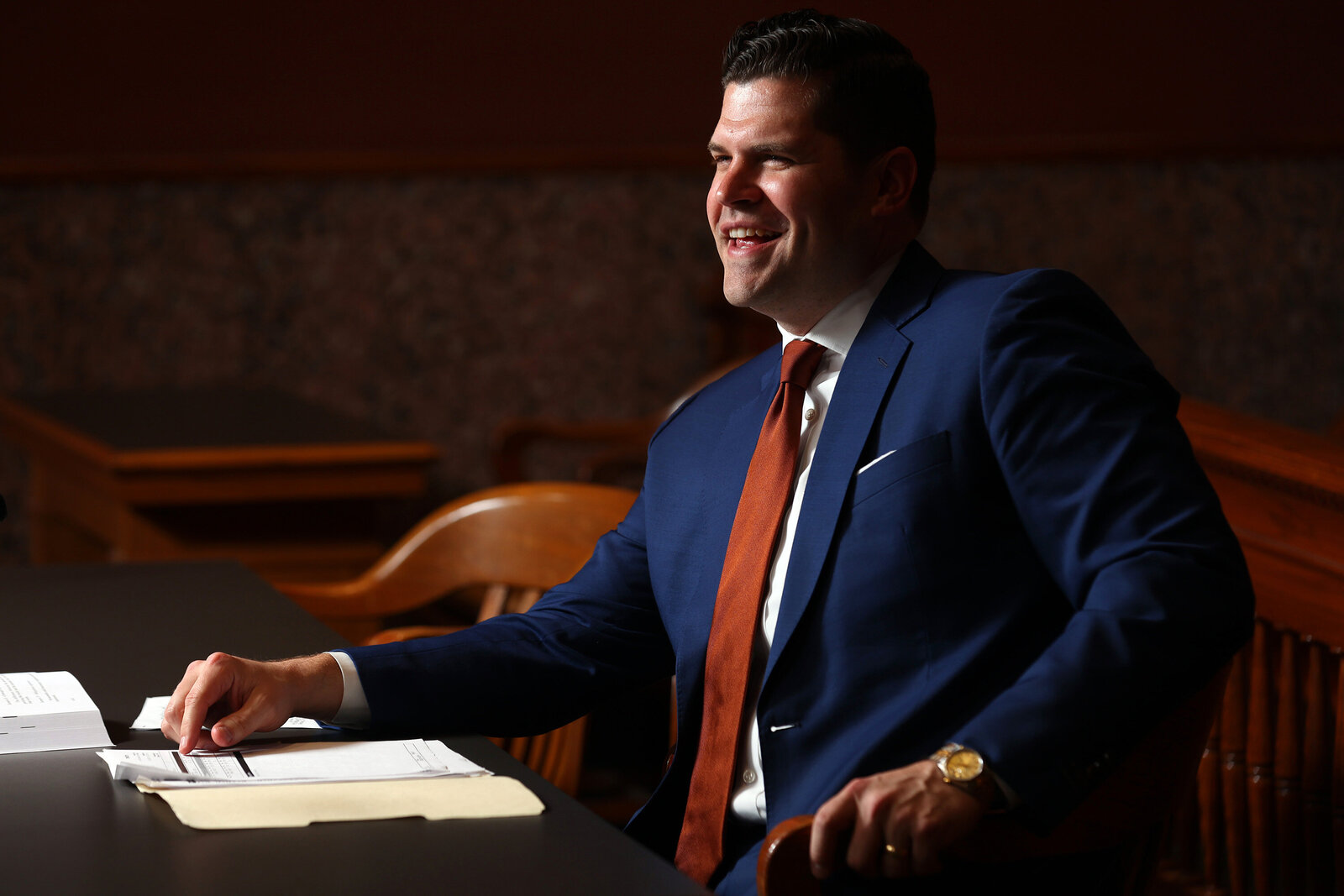
Graham Norris is an award-winning criminal defense attorney and former Tarrant County prosecutor with over a decade of courtroom experience. He has earned countless dismissals and not guilty verdicts on charges ranging from misdemeanor assault to felony murder. Graham has been recognized as a National Trial Lawyers Top 40 Under 40 attorney, named a Texas Monthly Super Lawyers Rising Star, and selected as a Top Attorney by Fort Worth Magazine.
Former Assistant District Attorney • Texas A&M School of Law Graduate • Member, National Order of Barristers
Need Legal Help? Call (817) 859-8985





Read the Comments +