


By Graham Norris
Memorial Day weekend kicks off what safety officials call the deadliest stretch of the year on Texas roads. From late May through Labor Day, more drivers travel, more gatherings involve alcohol — and law enforcement responds with the most aggressive DWI enforcement of the year.
If you are driving in Fort Worth or anywhere in Tarrant County this summer, you should know how holiday enforcement works, what your rights are during a stop, and what to do if an arrest happens. The decisions you make in the first minutes — and the first 15 days — can shape the entire case.
Arrested for DWI in Tarrant County?
You have 15 days to fight a license suspension. Talk to a former Tarrant County prosecutor now.
Available 24/7 • Former Prosecutor • 3,600+ cases handled
Why DWI Enforcement Spikes Around Summer Holidays
Texas consistently ranks among the worst states for alcohol-related traffic deaths. According to TxDOT, more than 1,000 people died in alcohol-related crashes on Texas roads in 2024 — roughly three lives every day. In response, the state runs its Drive Sober. No Regrets. campaign around major holidays, pairing public messaging with coordinated enforcement periods when agencies put extra officers on the road specifically to look for impaired drivers.
In practice, that means saturation patrols on highways and around entertainment districts, officers watching for minor traffic violations as a reason to stop you, and prosecutors and judges on standby to keep cases moving. Memorial Day, the Fourth of July, and Labor Day are the peak weekends.
No-Refusal Weekends: What They Really Mean
Holiday periods in Tarrant County are frequently designated no-refusal weekends. The name is misleading. You still have the right to refuse a breath or blood test — but during these periods, a judge is on call around the clock to sign blood search warrants. If you refuse, the officer can often obtain a warrant within the hour and compel a blood draw.
Refusal still carries consequences of its own. Under the Texas implied consent law, refusing a breath or blood test after a lawful DWI arrest triggers a license suspension of 180 days for a first refusal, separate from any criminal punishment. Whether to refuse a sobriety test involves real trade-offs, and the right answer depends on the situation.
One more myth worth clearing up: sobriety checkpoints. Unlike some states, DWI checkpoints are not used in Fort Worth because Texas courts have held suspicionless checkpoints unconstitutional. Holiday enforcement in Texas relies on individual traffic stops — which means every stop must be supported by reasonable suspicion, and that requirement can be challenged.
Questions about your license or court date?
Get specific advice for your situation before you speak to anyone else.
Text the FirmIf You Are Stopped This Summer: Practical Tips
A traffic stop is not the place to argue your case. It is the place to avoid handing the State evidence. Keep these points in mind:
- Be polite and provide your documents. License, registration, and insurance — nothing more is required.
- You do not have to answer questions about where you have been or what you drank. “I prefer not to answer” is a complete response.
- Field sobriety tests are voluntary. The walk-and-turn, one-leg stand, and eye-tracking tests are subjective, and officers are grading you the moment you step out of the car.
- Do not argue or resist. If the officer decides to arrest you, nothing you say roadside will reverse it — but everything is being recorded.
- Ask for a lawyer as soon as you are arrested, and say nothing else about the case.
The best tip, of course, is prevention: arrange a sober ride before the party starts. A rideshare home costs a fraction of what a DWI does.
One more summer-specific warning for families on the road: driving while intoxicated with a child passenger under 15 in the vehicle is a state jail felony in Texas — even for a first offense, and even without a crash. A holiday cookout followed by a short drive home with kids in the back seat can turn a misdemeanor-level mistake into a felony prosecution. If children travel with you, the margin for error is zero.
The 15-Day Deadline Most Drivers Miss
A Texas DWI arrest starts two separate cases: the criminal charge and an administrative case against your driver’s license. If you failed or refused a test, the Texas Department of Public Safety will move to suspend your license through the Administrative License Revocation program.
You have only 15 days from the date of arrest to request a hearing and contest the suspension. Miss the deadline, and the suspension takes effect automatically — often before your first court date. Requesting the hearing protects your license and gives your lawyer an early chance to question the arresting officer under oath. Our guide to what happens at an ALR hearing explains the process in detail.
What a Holiday DWI Arrest Means for You
A first DWI in Texas is a Class B misdemeanor carrying up to 180 days in jail, a fine of up to $2,000, license suspension, and additional state fines on conviction. A test result of 0.15 or higher elevates the charge to a Class A misdemeanor, and prior convictions raise the stakes further. None of that makes a conviction inevitable. Holiday arrests are often rushed — questionable stops, poorly administered tests, warrant errors — and a first offense DWI in Texas can frequently be challenged, reduced, or dismissed when the evidence is attacked early.
Don’t miss the 15-day ALR deadline
Protect your license and your record. Talk to Graham Norris today.
Call (817) 859-8985 Free ConsultationArrested Over a Holiday Weekend? Call Norris Legal Group
A summer DWI arrest does not have to define your future, but the clock starts immediately — on your license, your evidence, and your defense. The sooner a lawyer gets involved, the more options you have.
Graham Norris is a former Tarrant County prosecutor who has handled more than 3,600 cases and earned over 400 dismissals. He knows exactly how holiday DWI cases are prosecuted and where they break down. Call (817) 859-8985 for a free consultation before your 15 days run out.
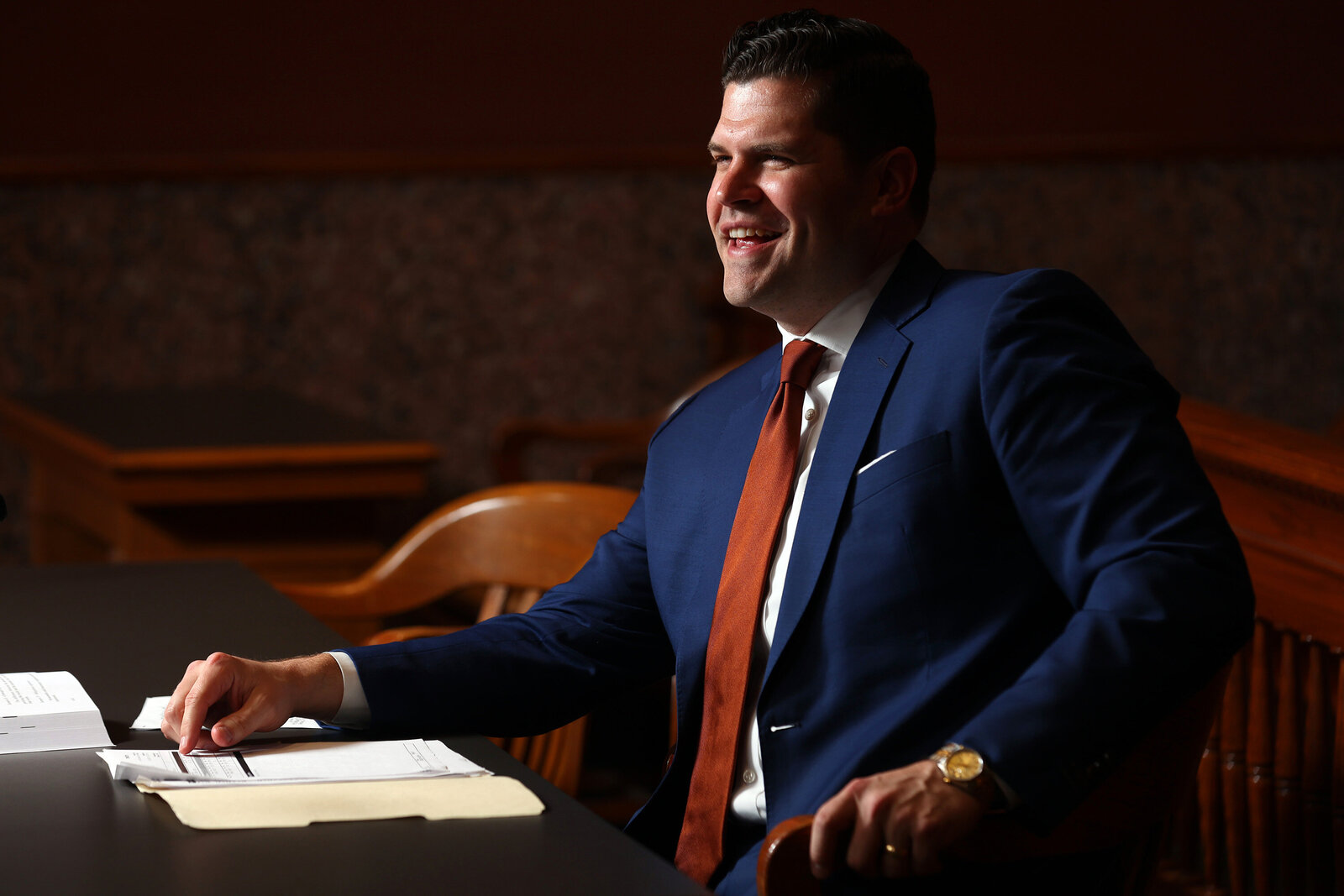
Graham Norris
Principal Attorney & Founder, Norris Legal Group PLLC
Graham Norris is an award-winning criminal defense attorney and former Tarrant County prosecutor with over a decade of courtroom experience. He has earned countless dismissals and not guilty verdicts on charges ranging from misdemeanor assault to felony murder. Graham has been recognized as a National Trial Lawyers Top 40 Under 40 attorney, named a Texas Monthly Super Lawyers Rising Star, and selected as a Top Attorney by Fort Worth Magazine.
Former Assistant District Attorney • Texas A&M School of Law Graduate • Member, National Order of Barristers
Need Legal Help? Call (817) 859-8985





Read the Comments +