


By Graham Norris
An assault charge lands fast. One moment there is an argument, a shove, or a dispute that got out of hand — the next there are handcuffs, a night in jail, and a court date. What you do in the days that follow will influence your case more than almost anything that happened during the incident itself.
Texas prosecutes assault aggressively, and Tarrant County is no exception. Whether the allegation is a Class C citation or a felony, these five steps protect your rights, your record, and your future from the very first day.
Accused of Assault in Tarrant County?
An accusation is not a conviction. Get a former prosecutor to challenge the case against you now.
Domestic violence • Assault causing bodily injury • Family violence • Protective orders
Step 1: Understand and Follow Your Bond Conditions
Release from jail comes with strings attached. Judges routinely impose bond conditions in Tarrant County assault cases — no-contact orders, stay-away requirements, weapon surrender, sometimes GPS monitoring or alcohol restrictions. These conditions are court orders, and violating one is a separate offense that can revoke your bond and put you back in jail while your case is pending.
The most dangerous trap is the no-contact order. If the complaining witness is a spouse or partner, even a friendly text — even one they send first and you answer — can be a violation. Read every condition, ask your lawyer what each one means, and follow them to the letter. If a condition is unworkable, the answer is a motion to modify it, never self-help.
Be aware that in family violence cases, the magistrate can also issue an emergency protective order at the jail — sometimes without the complaining witness asking for one. An EPO can bar you from your own home for 31 to 91 days. If you wake up to find yourself locked out of your house by court order, do not go back for your belongings without legal clearance; a lawyer can often get the order modified so you can retrieve essentials and, in some cases, return home.
Step 2: Stop Talking About the Case
You have the right to remain silent. Use it — everywhere, not just with police:
- Do not give a statement to investigators without your lawyer present, even to “clear things up”
- Do not contact the complaining witness to apologize, explain, or ask them to drop it — that can look like witness tampering and may violate your bond
- Do not post about the incident on social media; prosecutors read it all
- Do not discuss details with friends or family who could be subpoenaed; jail calls are recorded
People talk because they believe the truth will fix everything. But every statement gets filtered through a prosecution looking for admissions, and an innocent explanation given today can be twisted into a contradiction at trial.
Step 3: Preserve Evidence Before It Disappears
The State started collecting evidence the moment 911 was called. You need to do the same, because the evidence that helps you has a shelf life. Act quickly to:
- Photograph your own injuries — bruises, scratches, and defensive wounds fade within days
- Save every text, call log, voicemail, and social media message between you and the complaining witness, before and after the incident; text message evidence in Texas assault cases frequently changes outcomes
- Write down what happened while your memory is fresh — times, locations, words spoken, who saw what
- List every witness with names and contact information
- Identify cameras — businesses, doorbells, apartment complexes — because most footage is overwritten within weeks unless someone requests it
Your lawyer can send preservation letters and subpoenas, but only for evidence they know exists. Your job is to make the list.
Want the charges reduced or dismissed?
Let a former prosecutor evaluate weaknesses in the evidence and any self-defense claim.
Text the FirmStep 4: Learn What You Are Actually Facing
“Assault” covers a wide range of conduct under Chapter 22 of the Texas Penal Code, from offensive contact to threats to bodily injury, with penalties that escalate sharply based on injury, relationships, and prior history. The official text is available through the Texas Penal Code’s assaultive offenses chapter. A Class A misdemeanor assault carries up to a year in jail and a $4,000 fine, while felony variants carry prison time — and a family violence finding brings lifelong consequences, including the loss of firearm rights, that survive even probation.
Knowing the exact charge, the enhancement risks, and the punishment range for assault in Texas tells you what is at stake — and what a good outcome looks like in your case.
Step 5: Hire a Defense Lawyer Now, Not Later
The biggest mistake people make is waiting — for the first court date, for the case to “blow over,” or to see if the complaining witness drops it. Here is the hard truth: the alleged victim cannot drop the charges. Only the district attorney decides whether a case proceeds, and Tarrant County regularly prosecutes assault cases over a complaining witness’s objection.
What actually gets cases dismissed is early, aggressive defense work: challenging the evidence, presenting your side before indictment, exposing inconsistencies, and negotiating from strength. Our guide on how to get assault charges dropped in Texas explains what that work looks like in practice. Every week of delay is a week the State builds its case while yours sits still.
Charged or questioned about assault?
Get a defense strategy before you talk to law enforcement or the DA.
Call (817) 859-8985 Free ConsultationFacing an Assault Charge in Tarrant County? We Can Help
The first days after an assault arrest feel chaotic, but they are also your window of greatest opportunity. Protect your bond, protect your silence, protect your evidence — and put a defender in your corner who knows exactly how the other side thinks.
Graham Norris is a former Tarrant County prosecutor who has handled more than 3,600 cases and secured over 400 dismissals. Norris Legal Group will treat you with dignity and fight for your future. Call (817) 859-8985 today for a free consultation.
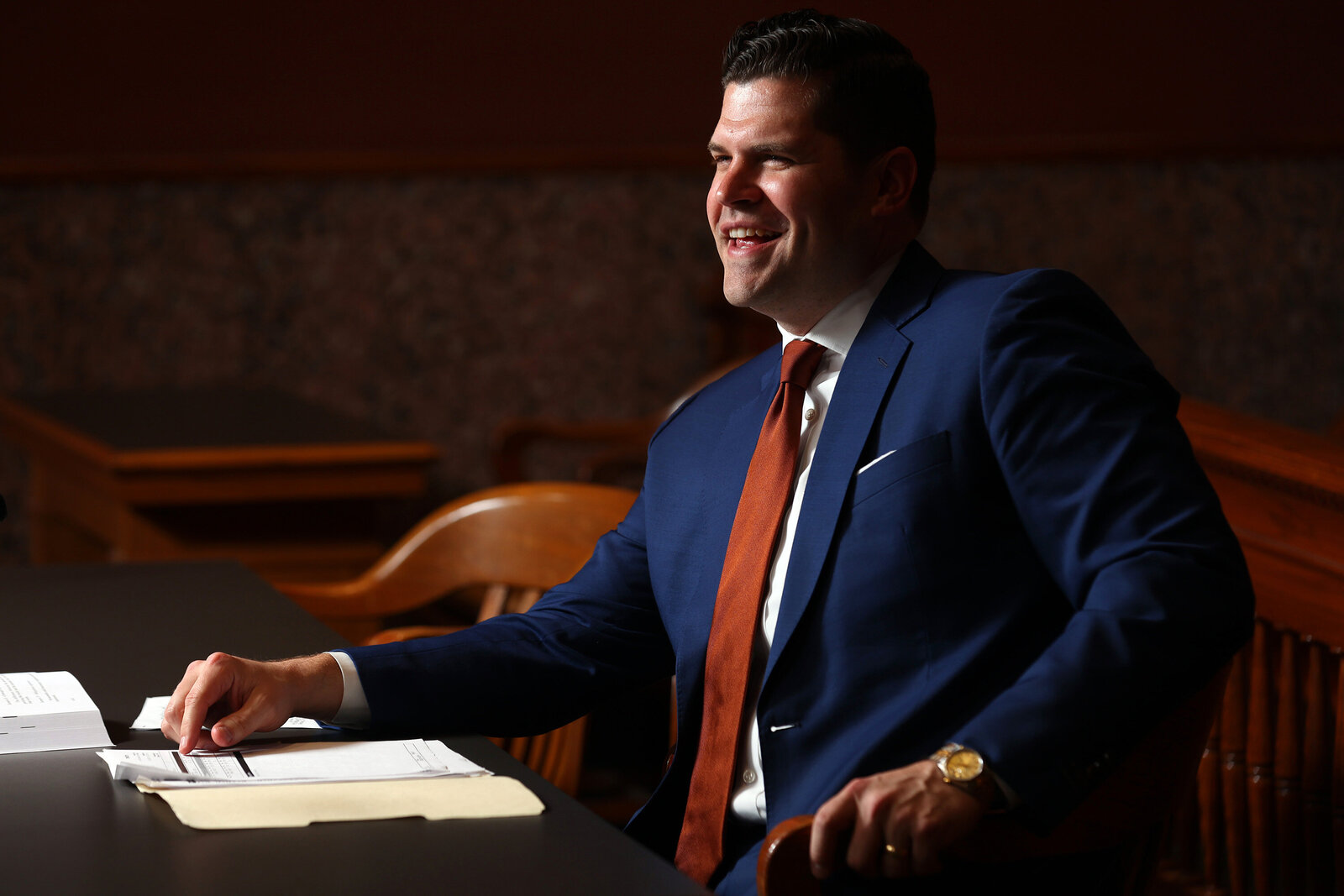
Graham Norris
Principal Attorney & Founder, Norris Legal Group PLLC
Graham Norris is an award-winning criminal defense attorney and former Tarrant County prosecutor with over a decade of courtroom experience. He has earned countless dismissals and not guilty verdicts on charges ranging from misdemeanor assault to felony murder. Graham has been recognized as a National Trial Lawyers Top 40 Under 40 attorney, named a Texas Monthly Super Lawyers Rising Star, and selected as a Top Attorney by Fort Worth Magazine.
Former Assistant District Attorney • Texas A&M School of Law Graduate • Member, National Order of Barristers
Need Legal Help? Call (817) 859-8985





Read the Comments +