


By Graham Norris
Some people charged with DWI believe the police got it wrong. Others know they drank too much and are not looking for someone to tell them otherwise. They are asking a different question: “If I made a mistake, is there still a reason to hire a lawyer?”
Yes. A DWI lawyer’s job is not limited to arguing that a client was completely sober. Even when the evidence is strong, there can be important work to do on the legal case, the driver’s license consequences, sentencing exposure, treatment and mitigation, employment concerns, and the possibility of avoiding the worst long-term effects of a conviction. This is where a Fort Worth DWI attorney can help you understand your options.
At Norris Legal Group, Graham Norris describes this part of DWI defense in simple terms: good people sometimes make mistakes, and they still deserve to be treated with dignity and respect.
Arrested for DWI in Tarrant County?
You have 15 days to fight a license suspension. Talk to a former Tarrant County prosecutor now.
Available 24/7 • Former Prosecutor • 3,600+ cases handled
The State Still Has to Prove the Case Correctly
Knowing that you drank too much does not mean every part of the police investigation was lawful or accurate.
Texas Penal Code Section 49.04 requires the State to prove that you were intoxicated while operating a motor vehicle in a public place. Evidence can include officer observations, field sobriety tests, video, statements, breath testing, blood testing, and other DWI evidence.
A defense lawyer may still review whether:
- The traffic stop or detention was lawful.
- Any search or seizure complied with the law.
- A breath or blood specimen was legally obtained.
- Testing procedures and scientific requirements were followed.
- The officer accurately recorded what happened.
- Video supports or contradicts the written report.
- The State can connect later testing to your condition while you were actually driving.
The point is not to manufacture a defense. It is to make sure the government proves its case with admissible, reliable evidence and follows the rules that apply to criminal investigations.
Your Driver’s License Is a Separate Issue
A Texas DWI arrest can trigger an administrative license process in addition to the criminal case. Depending on how the case arose and the notice you received, the deadline to request an ALR hearing can be short. Texas Transportation Code Section 524.031 provides a 15-day request period in certain DWI license suspension cases.
Graham Norris has explained that Norris Legal Group treats the license hearing as more than an administrative formality. When available, the hearing can be an opportunity to challenge the suspension and obtain testimony from the arresting officer that may also be useful in evaluating the criminal case.
Even when a client believes the DWI accusation is substantially correct, protecting the ability to drive can be a major practical concern.
Questions about your license or court date?
Get specific advice for your situation before you speak to anyone else.
Text the FirmMitigation Can Matter
When the evidence supports negotiating a DWI plea deal rather than trying the case, preparation can affect what happens next.
Mitigation is the process of showing the prosecutor and court the full picture of the person—not merely the arrest report. Depending on the case, that can include employment history, treatment, counseling, alcohol education, community service, letters of support, and other documented steps.
Graham has described representing a young man facing a second DWI who took meaningful steps before the prosecution made its decision. The client attended AA meetings, received treatment, maintained employment, performed community service, and demonstrated real change. Graham reported that the case was ultimately reduced to a first-offense DWI, with a short probation sentence instead of the significant jail exposure the client originally faced.
That result is an example, not a promise. Prosecutors, judges, facts, prior records, and available legal options vary from case to case. But it shows why waiting passively for a court date can be a mistake when there are productive steps a client can take.
A Lawyer Can Help You Make the Right Moves From This Point Forward
A DWI case can affect more than the sentence imposed in court. Clients may worry about employment, professional licensing, insurance, driving privileges, family responsibilities, and the effect of a criminal record.
One of the most important roles of a Fort Worth DWI attorney is helping a client make informed decisions while the case is pending. That can mean explaining what to do, what not to do, what deadlines matter, what documents to preserve, and which proactive steps are worth considering.
It can also mean keeping a client from making the situation worse by missing court, violating bond conditions, driving when not legally permitted, contacting people inappropriately, or ignoring required programs.
Deferred Adjudication May Be Available in Some DWI Cases
Texas law allows deferred adjudication for certain DWI cases, but not every defendant or every DWI charge qualifies. Eligibility depends on the specific offense and facts, and the details matter.
Deferred adjudication is not the same as a dismissal, and it does not automatically erase the fact that the case occurred. However, in qualifying cases DWI deferred adjudication can create different long-term consequences than a traditional conviction. Some people who successfully complete qualifying DWI deferred adjudication may also be eligible to seek an order of nondisclosure under Texas law, subject to statutory requirements.
Because these options are technical and fact-specific, a defendant should not assume that deferred adjudication or record sealing will be available without having the case reviewed.
Don’t miss the 15-day ALR deadline
Protect your license and your record. Talk to Graham Norris today.
Call (817) 859-8985 Free ConsultationTaking Responsibility and Defending Your Future Are Not Opposites
A person can accept that a bad decision was made and still insist that the legal process be fair. Those ideas are not inconsistent.
You may decide that the best path is to challenge part of the evidence. You may decide that the best path is a negotiated resolution supported by strong mitigation. You may have a license issue that needs immediate attention even if the criminal charge is not in dispute. You may have employment or family concerns that make one outcome much more workable than another.
The strategy should fit the facts and the person.
What to Do After a DWI Arrest
If you believe you were intoxicated, do not assume there is nothing left to discuss with a lawyer. Preserve your paperwork, comply with bond conditions, avoid driving if your license is not valid, and do not make public statements about the case.
Then get the evidence and deadlines reviewed.
Norris Legal Group represents people facing DWI charges in Fort Worth and Tarrant County. If you made a mistake and want to understand the realistic options for protecting your license, employment, record, and future, contact a Fort Worth DWI attorney for a free consultation. No lawyer can promise a particular result, but a strong defense can still mean making sure every available legal and practical option is considered.
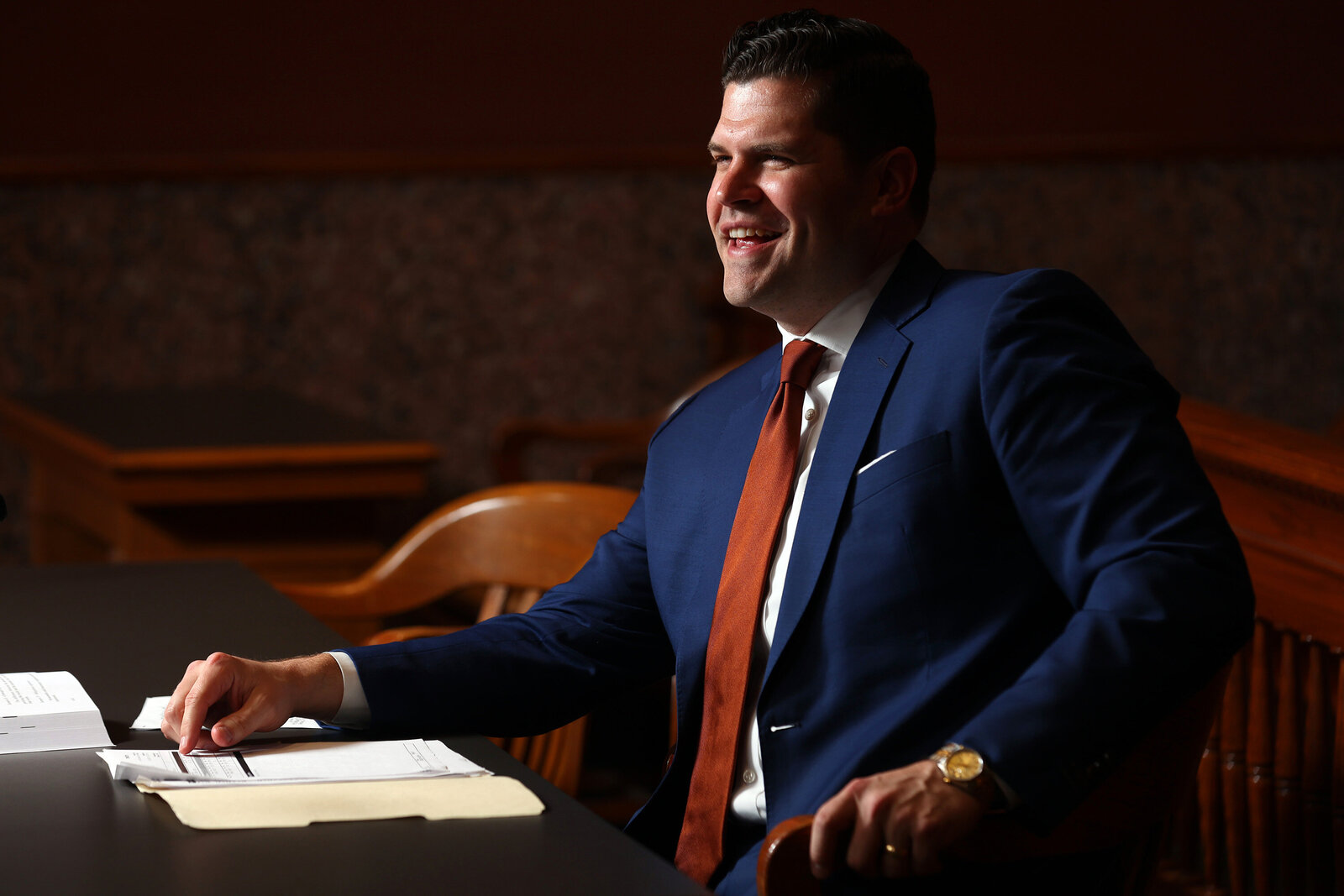
Graham Norris
Principal Attorney & Founder, Norris Legal Group PLLC
Graham Norris is an award-winning criminal defense attorney and former Tarrant County prosecutor with over a decade of courtroom experience. He has earned countless dismissals and not guilty verdicts on charges ranging from misdemeanor assault to felony murder. Graham has been recognized as a National Trial Lawyers Top 40 Under 40 attorney, named a Texas Monthly Super Lawyers Rising Star, and selected as a Top Attorney by Fort Worth Magazine.
Former Assistant District Attorney • Texas A&M School of Law Graduate • Member, National Order of Barristers
Need Legal Help? Call (817) 859-8985





Read the Comments +