

By Graham Norris
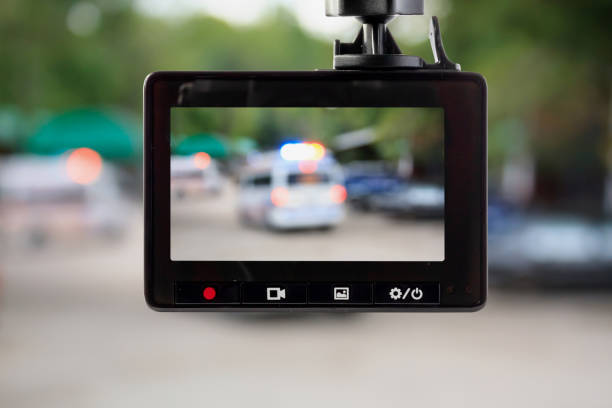
Video evidence can look decisive. A security camera, body camera, doorbell camera, or cellphone recording may seem to show exactly what happened in an assault or self-defense case. But a recording may start too late, end too early, miss events outside the frame, or fail to capture sound clearly.
That is why a defense lawyer should not treat a short clip as the entire case. Here’s what you need to know, and when it’s time to hire a Fort Worth assault attorney.
Accused of Assault in Tarrant County?
An accusation is not a conviction. Get a former prosecutor to challenge the case against you now.
Domestic violence • Assault causing bodily injury • Family violence • Protective orders
What Video Can Show
Video can be valuable evidence. It may show who approached whom, where people were standing, how long an encounter lasted, whether someone moved toward or away from another person, and whether a police report matches the recorded event.
When a recording is clear and complete, it can strongly support or contradict an allegation.
What Video May Miss
A camera records from one location. The people involved experience the event from different locations and with information the camera may not capture.
A recording may not show what happened immediately before it began. It may miss words spoken outside the microphone’s range, conduct occurring outside the frame, or other facts that affected what a person reasonably believed at the time.
Audio can also be incomplete because of distance, wind, background noise, or overlapping voices. Understanding self-defense law can also be important when evaluating what the recording leaves out.
Texas Self-Defense Law Requires Context
Texas Penal Code Section 9.31 generally provides that a person may be justified in using force when and to the degree the person reasonably believes the force is immediately necessary to protect against another person’s use or attempted use of unlawful force, subject to statutory limitations. Understanding Texas Penal Code self-defense is important when evaluating how these rules apply.
Texas law has separate provisions addressing deadly force and defense of third persons. The details matter, and the legal analysis depends on the circumstances of the particular case.
That means a video can be important without answering every legal question by itself.
Want the charges reduced or dismissed?
Let a former prosecutor evaluate weaknesses in the evidence and any self-defense claim.
Text the FirmWhy First Impressions Can Be Wrong
Graham Norris has described a high-profile self-defense case in which a widely circulated video was important but potentially misleading without the surrounding context. His point was that a recording can accurately show a moment while still leaving viewers with an incomplete picture of what led to that moment.
Graham explains that the defense process starts with understanding what the accused remembers and what was happening from that person’s perspective. The defense then gathers the other versions of the event, including police reports, witness statements, recordings, and other evidence, and compares them carefully. This process can be particularly important in assault charges involving disputed video evidence.
That process can reveal that a dramatic clip is accurate but incomplete, that an officer’s description does not match the footage, or that the recording makes more sense once the events before it are understood.
Camera Angle and Timing Matter
Perspective can affect how a recording looks. A camera positioned far away may make distance difficult to judge. An obstruction may hide part of an interaction. A low-quality recording may make fast movement difficult to interpret.
None of those issues automatically makes a video unreliable. They are reasons to analyze the recording carefully instead of assuming it is a perfect reproduction of the event.
Multiple Recordings May Tell Different Parts of the Story
In many cases, there is more than one recording. A business may have surveillance footage. A nearby residence may have a doorbell camera. Officers may have body cameras. A bystander may have recorded part of the incident on a phone.
The defense may need to compare these recordings by time and location. One camera may show events that another camera missed. A thorough self-defense investigation may require comparing multiple recordings to establish the complete sequence of events.
When possible, preserving original files is important. A short social-media clip may be edited, compressed, or missing useful information. An attorney may seek the original recording rather than relying only on a reposted version.
Video Should Be Compared With Other Evidence
A careful defense compares recordings with police reports, witness statements, emergency calls, photographs, medical records when relevant, physical evidence, and other information that helps establish what occurred.
If a witness says one thing and the video shows another, that inconsistency may be important. If the recording supports the witness, that matters too.
Charged or questioned about assault?
Get a defense strategy before you talk to law enforcement or the DA.
Call (817) 859-8985 Free ConsultationPreserve the Evidence
If you have video related to an assault or self-defense allegation, preserve the original file. Do not edit it or post it online to argue your side of the case.
Public posts can spread incomplete evidence and create additional statements that may become relevant to the case. Give the original material to your self-defense lawyer and explain where it came from and whether other recordings may exist.
The Full Story Matters
Video can be one of the most important pieces of evidence in an assault or self-defense case. It can also be misleading when a limited recording is treated as the entire event.
The defense should determine what the video actually shows, what it does not show, whether it matches the other evidence, and how it fits into the legal issues in the case.
Norris Legal Group represents people facing assault and self-defense-related charges in Fort Worth and Tarrant County. If video is part of your case, contact a Fort Worth assault attorney for a free consultation. Early preservation and careful review can help the defense understand the complete sequence of events.
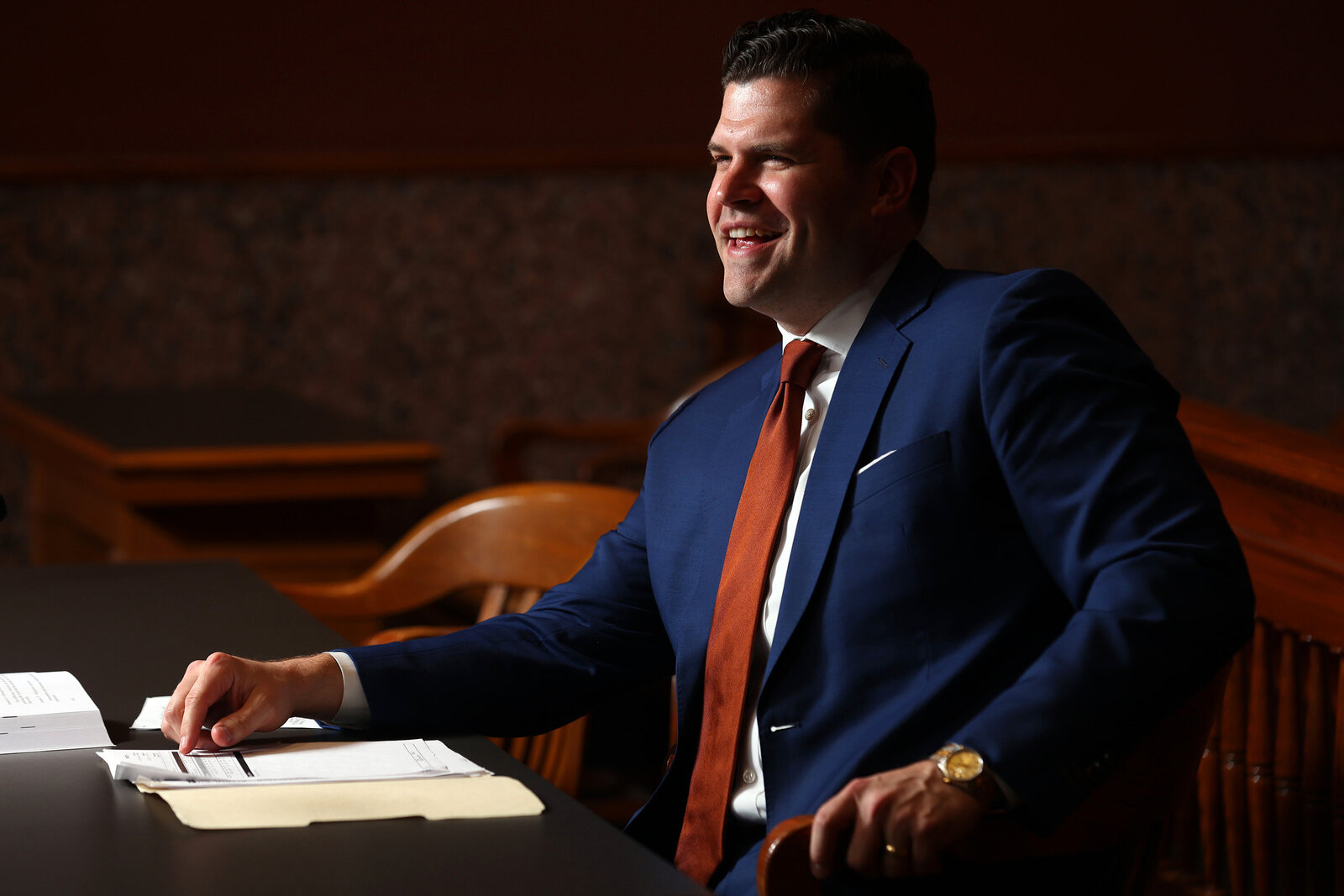
Graham Norris
Principal Attorney & Founder, Norris Legal Group PLLC
Graham Norris is an award-winning criminal defense attorney and former Tarrant County prosecutor with over a decade of courtroom experience. He has earned countless dismissals and not guilty verdicts on charges ranging from misdemeanor assault to felony murder. Graham has been recognized as a National Trial Lawyers Top 40 Under 40 attorney, named a Texas Monthly Super Lawyers Rising Star, and selected as a Top Attorney by Fort Worth Magazine.
Former Assistant District Attorney • Texas A&M School of Law Graduate • Member, National Order of Barristers
Need Legal Help? Call (817) 859-8985





Read the Comments +