


By Graham Norris
People are sometimes surprised to learn that a Texas DWI charge does not require alcohol or illegal drugs. Prescription medication can also become part of a DWI investigation.
That does not mean taking prescribed medication automatically makes someone guilty of DWI. It also does not mean that having a valid prescription automatically defeats the charge. The key issue is whether the State can prove that the person was intoxicated while operating a motor vehicle in a public place, which is why it can be important to speak with a Fort Worth DWI attorney about the specific facts of the case.
Arrested for DWI in Tarrant County?
You have 15 days to fight a license suspension. Talk to a former Tarrant County prosecutor now.
Available 24/7 • Former Prosecutor • 3,600+ cases handled
How Texas Defines Intoxication
Texas Penal Code Section 49.01 defines “intoxicated” in two main ways: having an alcohol concentration of 0.08 or more, or not having the normal use of mental or physical faculties because of alcohol, a controlled substance, a drug, a dangerous drug, a combination of substances, or another substance in the body.
Texas Penal Code Section 49.10 also states that the fact a substance was prescribed by a doctor is not, by itself, a defense to prosecution under the intoxication chapter.
That is an important distinction. A prescription may be highly relevant to the facts, dosage, timing, expected effects, and medical explanation for what happened. But the existence of the prescription alone does not end the legal analysis.
What the State May Try to Prove
In a prescription-drug DWI case, prosecutors may rely on evidence such as:
- Driving behavior before the stop.
- Body-camera or dash-camera video.
- Officer observations of speech, balance, coordination, confusion, or behavior.
- Field sobriety testing.
- Statements about medication, dosage, timing, or medical conditions.
- Blood testing or toxicology results, if a specimen was obtained.
- Medical records or other evidence about the drug and its effects.
A drug being present in someone’s system is not the same as proving, by itself, that the person had lost the normal use of mental or physical faculties while driving. The State still has to rely on admissible and reliable DWI evidence. The meaning of toxicology results can depend on the drug, dose, timing, tolerance, metabolism, other substances, and the surrounding evidence.
Questions about your license or court date?
Get specific advice for your situation before you speak to anyone else.
Text the FirmMedical Evidence Can Be Critical
Graham Norris has described a case in which a woman was arrested for DWI after police encountered her in a confused state. She had taken prescription medication and appeared impaired, including slurred speech and confusion.
The defense did not simply point to the prescription and declare the case over. Graham described gathering her medical records from her doctor and family and documenting what had actually occurred. The defense position was that the woman had experienced an unexpected medical event involving her medication and heat-related illness rather than intentionally misusing medication. The case was set for a jury trial and, according to Graham, was dismissed on the eve of trial.
That result does not mean every medication-related DWI will be dismissed. It shows why the medical explanation, records, expert opinions, timeline, and specific facts can matter enormously.
What If You Took the Medication Exactly as Directed?
Taking medication as directed can be important evidence, particularly when the defense is evaluating whether an unexpected reaction, interaction, medical condition, or other circumstance explains the behavior the officer observed.
But because Texas law does not make a valid prescription an automatic defense, the question is broader than “Was this medication prescribed?”
A lawyer may need to examine:
- What medication was taken.
- What the prescribed dosage was.
- When the dose was taken.
- Whether any other medication, alcohol, or substance was involved.
- Whether the person had taken the medication before without problems.
- Whether there was a recent dosage change.
- Whether a medical condition contributed to the symptoms.
- Whether the observed behavior is consistent with the alleged drug effect.
- Whether a toxicology result can reliably establish impairment at the time of driving.
Sometimes the strongest evidence may come from medical records, prescribing information, a treating physician, a toxicologist, or another qualified expert.
Drug DWI Cases Can Be More Complicated Than Alcohol Cases
Alcohol DWI cases often involve a numerical alcohol concentration and well-known testing procedures. Drug cases can be more complicated because many medications do not have a simple legal concentration that automatically establishes intoxication.
A blood test may identify a substance, but the State may still need to explain what that result means in the context of the person’s behavior and condition. The defense may challenge the collection and testing process, the interpretation of the result, or the conclusion that the medication caused the alleged loss of normal faculties while the person was driving.
Video can be especially important. Graham Norris has emphasized the value of comparing the officer’s written description with what the recording actually shows. That same approach applies in prescription-medication cases.
Don’t miss the 15-day ALR deadline
Protect your license and your record. Talk to Graham Norris today.
Call (817) 859-8985 Free ConsultationDo Not Guess About the Medical Explanation
After an arrest, it can be tempting to explain the situation publicly, contact the officer, or make broad claims about how a medication affected you. That can create unnecessary complications.
Instead, preserve the evidence. Keep the prescription bottle, pharmacy information, medical records, discharge paperwork, and arrest documents. Save relevant communications and write down the timeline while it is still fresh. Do not alter or destroy potential evidence.
Then discuss the medical facts with your lawyer, who can determine what records or expert input may be appropriate.
A Prescription DWI Charge Deserves a Fact-Specific Defense
If you were charged with DWI after taking prescription medication, the case should not be reduced to either of two oversimplified statements: “It was prescribed, so I cannot be guilty,” or “The drug was in my system, so I must be guilty.” Neither statement accurately describes how Texas DWI law works.
The central question is whether the State can prove intoxication while you were operating the vehicle, using admissible and reliable evidence.
Norris Legal Group represents people facing DWI charges in Fort Worth and Tarrant County. If prescription medication is part of your case, contact the firm for a free consultation. A careful review of the medical history, dosage, toxicology, video, officer observations, and timeline by a Fort Worth DWI attorney can help determine what the evidence actually proves.
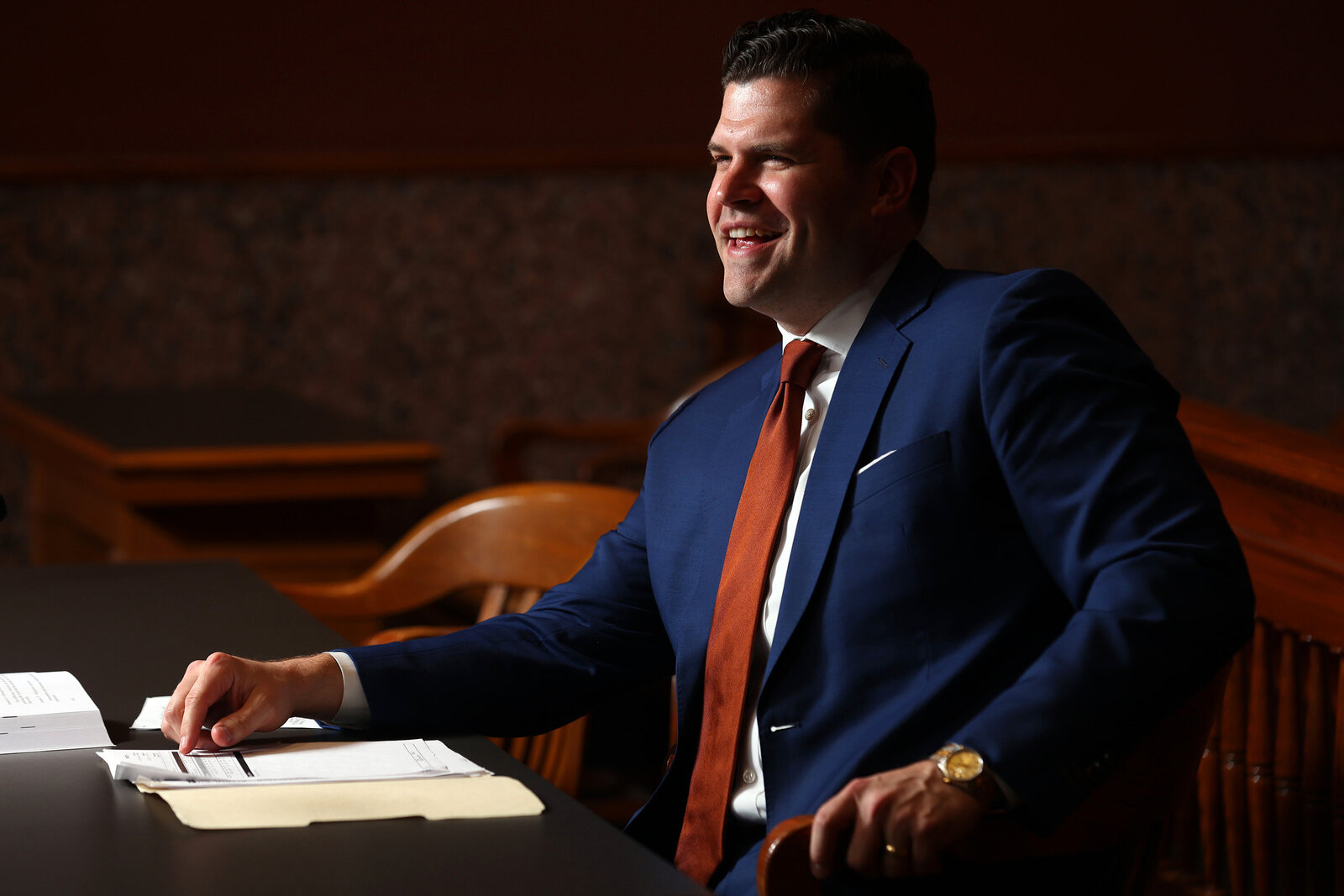
Graham Norris
Principal Attorney & Founder, Norris Legal Group PLLC
Graham Norris is an award-winning criminal defense attorney and former Tarrant County prosecutor with over a decade of courtroom experience. He has earned countless dismissals and not guilty verdicts on charges ranging from misdemeanor assault to felony murder. Graham has been recognized as a National Trial Lawyers Top 40 Under 40 attorney, named a Texas Monthly Super Lawyers Rising Star, and selected as a Top Attorney by Fort Worth Magazine.
Former Assistant District Attorney • Texas A&M School of Law Graduate • Member, National Order of Barristers
Need Legal Help? Call (817) 859-8985





Read the Comments +