


By Graham Norris
Texans believe in the right to defend themselves — and Texas law largely agrees. But somewhere between the statute books and the backyard conversation, the law gets distorted. People repeat versions of “stand your ground” and “castle doctrine” that exist nowhere in the Penal Code, and those myths get people charged, convicted, or talked out of defenses they actually have.
If you have been accused of assault after protecting yourself in Fort Worth or anywhere in Tarrant County, separating myth from fact is the first step in your defense. Here are the misconceptions we encounter most — and what the law really says.
Accused of Assault in Tarrant County?
An accusation is not a conviction. Get a former prosecutor to challenge the case against you now.
Domestic violence • Assault causing bodily injury • Family violence • Protective orders
Myth #1: “If It Was Self-Defense, I Can’t Be Arrested”
Fact: Police arrest people who acted in self-defense constantly. Officers arriving after a fight see the aftermath, not the event, and they routinely arrest the person left standing, the one without visible injuries, or whoever the first 911 caller accused. Self-defense is a justification raised in court — it is not a force field at the scene. An arrest does not mean your defense failed; it means the fight over the facts is just beginning, and the timing of who called 911 first in an assault case often shapes the State’s early theory more than the truth does.
Myth #2: “Stand Your Ground Means I Can Use Force Anywhere, for Any Reason”
Fact: Texas’s no-retreat rule is real but conditional. Under Texas Penal Code Section 9.31, force must be reasonably believed to be immediately necessary against another person’s unlawful force — and the no-duty-to-retreat protection applies only if you had a right to be where you were, did not provoke the other person, and were not engaged in criminal activity. Stand your ground removes the obligation to flee; it does not remove the requirements of necessity and proportionality. What it really says, and what it doesn’t, is covered in our complete guide to stand your ground and the castle doctrine in Texas.
Myth #3: “He Threatened Me, So I Could Hit Him”
Fact: Verbal provocation alone never justifies force in Texas — the statute says so expressly. Insults, trash talk, even threats that are not accompanied by some act suggesting the threat is about to be carried out, do not license a punch. Many assault cases begin exactly here: words escalated, someone swung first, and the law treats the swinger as the aggressor regardless of how ugly the words were.
Myth #4: “The Castle Doctrine Protects Anything I Do on My Property”
Fact: The castle doctrine creates a presumption that your belief in the necessity of force was reasonable — in defined situations, such as someone unlawfully and with force entering or attempting to enter your occupied home, vehicle, or workplace. It is powerful precisely because it is specific. It does not cover the entire yard in all circumstances, it does not apply to invited guests who overstay their welcome, and it does not authorize force against someone merely standing on your lawn. Deadly force has its own, stricter rules under Section 9.32, tied to deadly threats and a short list of violent felonies.
Myth #5: “We Both Agreed to Fight, So It’s Not a Crime”
Fact: Texas does recognize consent as a defense to some assaultive conduct — and that narrow provision has spawned an entire internet mythology about legal street fights. The reality: the consent defense applies only when the force does not threaten or cause serious bodily injury, and the moment a fight escalates, the defense evaporates. No statute lets two people “take it outside” with legal immunity. The actual rule, and its sharp limits, are explained in our article on mutual combat in Texas assault cases.
Want the charges reduced or dismissed?
Let a former prosecutor evaluate weaknesses in the evidence and any self-defense claim.
Text the FirmMyth #6: “If I Claim Self-Defense, I Have to Prove It”
Fact: This myth keeps people silent about their best defense. In Texas, once the defense produces some evidence supporting justification, the burden shifts to the State to disprove self-defense beyond a reasonable doubt. You do not have to prove you were justified — the prosecution has to prove you were not. That burden structure is one of the strongest tools in Texas criminal law, and it is one reason self-defense cases are tried and won in Tarrant County courtrooms. The statutory framework is laid out in our guide to what the Texas Penal Code says about self-defense.
A related fear — that raising self-defense “admits” you committed assault — gets the law backwards. Justification does not concede guilt; it answers the State’s accusation with a legal right. Juries are instructed accordingly, and a well-built justification case puts the complaining witness’s conduct on trial alongside yours.
Myth #7: “Self-Defense Cases Come Down to My Word Against Theirs”
Fact: The strongest self-defense cases are built on everything except words: surveillance and doorbell video, 911 audio, defensive injuries documented in photos and medical records, the other person’s history of aggression, and witnesses the police never bothered to interview. Juries believe evidence that corroborates a story. The mistake people make is waiting — footage gets overwritten, bruises fade, and memories blur within weeks. More of the misconceptions we see, and the facts that answer them, are collected in our overview of common self-defense misconceptions in Texas.
Charged or questioned about assault?
Get a defense strategy before you talk to law enforcement or the DA.
Call (817) 859-8985 Free ConsultationAccused of Assault After Defending Yourself? Get the Facts on Your Side
Texas law protects people who protect themselves — but only when the defense is built deliberately, with evidence, and presented by someone who knows how prosecutors attack justification claims. The myths get people convicted. The facts, properly proven, get them acquitted.
Graham Norris is a former Tarrant County prosecutor who has handled more than 3,600 cases, with over 400 dismissals and an acquittal in a high-profile self-defense murder trial. Norris Legal Group will treat you with dignity and fight to tell your side with force. Call (817) 859-8985 for a free consultation.
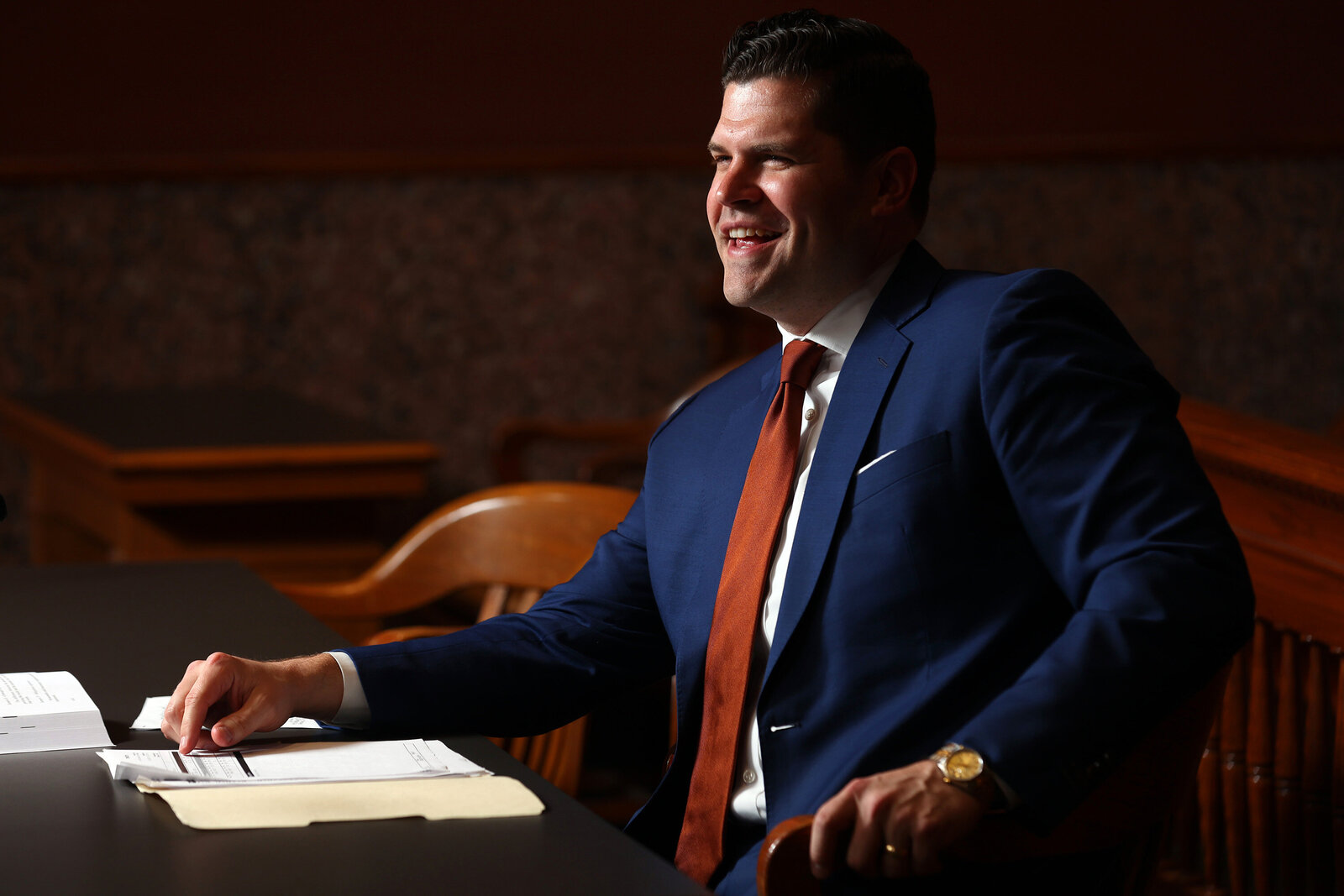
Graham Norris
Principal Attorney & Founder, Norris Legal Group PLLC
Graham Norris is an award-winning criminal defense attorney and former Tarrant County prosecutor with over a decade of courtroom experience. He has earned countless dismissals and not guilty verdicts on charges ranging from misdemeanor assault to felony murder. Graham has been recognized as a National Trial Lawyers Top 40 Under 40 attorney, named a Texas Monthly Super Lawyers Rising Star, and selected as a Top Attorney by Fort Worth Magazine.
Former Assistant District Attorney • Texas A&M School of Law Graduate • Member, National Order of Barristers
Need Legal Help? Call (817) 859-8985





Read the Comments +