

By Graham Norris
A DWI stop can move quickly. An officer asks where you are coming from, whether you have been drinking, and how much you had. You answer because you are nervous, you are trying to be cooperative, or you assume the truth will make the situation easier.
Then you are arrested, and one sentence starts replaying in your mind: “I told the officer I had been drinking. Did I just ruin my case?”
The answer is no. An admission that you drank alcohol can become evidence, but it is not the same thing as admitting that you were legally intoxicated. Texas prosecutors still have to prove every required element of DWI beyond a reasonable doubt, Texas prosecutors still have to prove every required element of DWI beyond a reasonable doubt, which is why it is important to understand what the State must prove and when it may be time to speak with a Fort Worth DWI attorney.
Arrested for DWI in Tarrant County?
You have 15 days to fight a license suspension. Talk to a former Tarrant County prosecutor now.
Available 24/7 • Former Prosecutor • 3,600+ cases handled
What Texas DWI Law Actually Requires
Under Texas Penal Code Section 49.04, a person commits DWI if the person is intoxicated while operating a motor vehicle in a public place. Texas Penal Code Section 49.01 defines “intoxicated” in two main ways: having an alcohol concentration of 0.08 or more, or not having the normal use of mental or physical faculties because of alcohol, drugs, or another substance.
That means “I had a few drinks” and “I was intoxicated while driving” are not the same statement.
The amount you drank, when you drank it, what you ate, how much time passed, whether there was a breath or blood test, what you looked and sounded like on video, and how you performed on field sobriety tests can all matter. The State has to connect the evidence to your condition while you were operating the vehicle.
Your Statement Can Still Matter
You should not dismiss an admission as meaningless. If an officer asks whether you have been drinking and you say yes, a prosecutor may use that statement as one part of the case.
The statement may be compared with other evidence, such as the evidence used in a DWI case, including:
- your driving before the stop
- the reason the officer stopped you
- body-camera and dash-camera video
- the officer’s written report
- field sobriety testing
- breath or blood evidence, if any
- witness statements
- the timing of your last drink and the traffic stop
A statement can strengthen the State’s theory, but it does not automatically establish intoxication. The rest of the evidence still needs to be examined.
Why Miranda May Not Solve the Problem
Many people assume that anything they said before hearing Miranda warnings must be thrown out. That is not how ordinary roadside traffic stops work.
The U.S. Supreme Court has held that routine roadside questioning during a traffic stop is generally not “custodial interrogation” for Miranda purposes. If a stop develops into custody or the functional equivalent of a formal arrest, the analysis can change. Whether a particular statement is admissible depends on the circumstances.
In practical terms, a driver generally does not have to volunteer answers to investigative questions such as “How many drinks have you had?” simply because an officer asks. At the same time, a driver should comply with lawful commands and Texas law requires a licensed driver to display a driver’s license on an officer’s demand.
If you already answered questions, the important issue is not wishing you had handled the stop differently. It is determining how those statements fit into the evidence that actually exists.
What a DWI Lawyer Will Review After an Admission
At Norris Legal Group, Graham Norris describes the defense process as checking the officer’s work and comparing different versions of the event.
In a DWI case, that can include comparing the officer’s report with the video. An officer may write that a driver was unsteady, confused, or showed a particular “clue” on a field sobriety test. The video may support that description, contradict it, or show a more complicated picture.
A lawyer may also examine whether the traffic stop was lawful, whether testing procedures were followed, whether a breath or blood specimen was legally obtained and scientifically reliable, and whether the timeline supports the State’s theory of intoxication at the time of driving.
Your admission is one piece of that review. It should not be analyzed in isolation.
Do Not Try to Fix the Statement Yourself
After an arrest, it can be tempting to call the officer, contact a witness, send a message explaining what you “really meant,” or post about the incident online. That can create more evidence and more problems.
Instead, preserve what you already have. Keep paperwork from the arrest. Save relevant messages, receipts, photos, location information, and other records. Do not delete or alter potential evidence, and avoid discussing the details of your arrest on social media.Write down what you remember while the details are still fresh, and discuss the situation with your attorney before making additional statements about the case.
There May Also Be a Driver’s License Deadline
A Texas DWI arrest can create a separate administrative driver’s license process. Depending on the circumstances and the notice you received, there may be a short deadline to request an ALR hearing. Texas Transportation Code Section 524.031 provides a 15-day period for certain administrative suspension hearing requests after notice.
That license issue is separate from the criminal charge, which is one reason it can be important to have the paperwork reviewed quickly after an arrest.
Questions about your license or court date?
Get specific advice for your situation before you speak to anyone else.
Text the FirmOne Admission Does Not Decide a DWI Case
If you told an officer you had been drinking, take the statement seriously. But do not assume the case is over.
A DWI case is built from the total evidence: what the officer observed, what the video shows, what tests were performed, what the science supports, how the stop and investigation were conducted, and whether the State can prove intoxication while you were operating the vehicle.
Norris Legal Group represents people facing DWI charges in Fort Worth and Tarrant County. If you have been arrested and are worried about what you said during the stop, contact a Fort Worth DWI attorney for a free consultation. Every case is different, and the earlier the evidence is reviewed, the sooner you can understand what the State can actually prove.
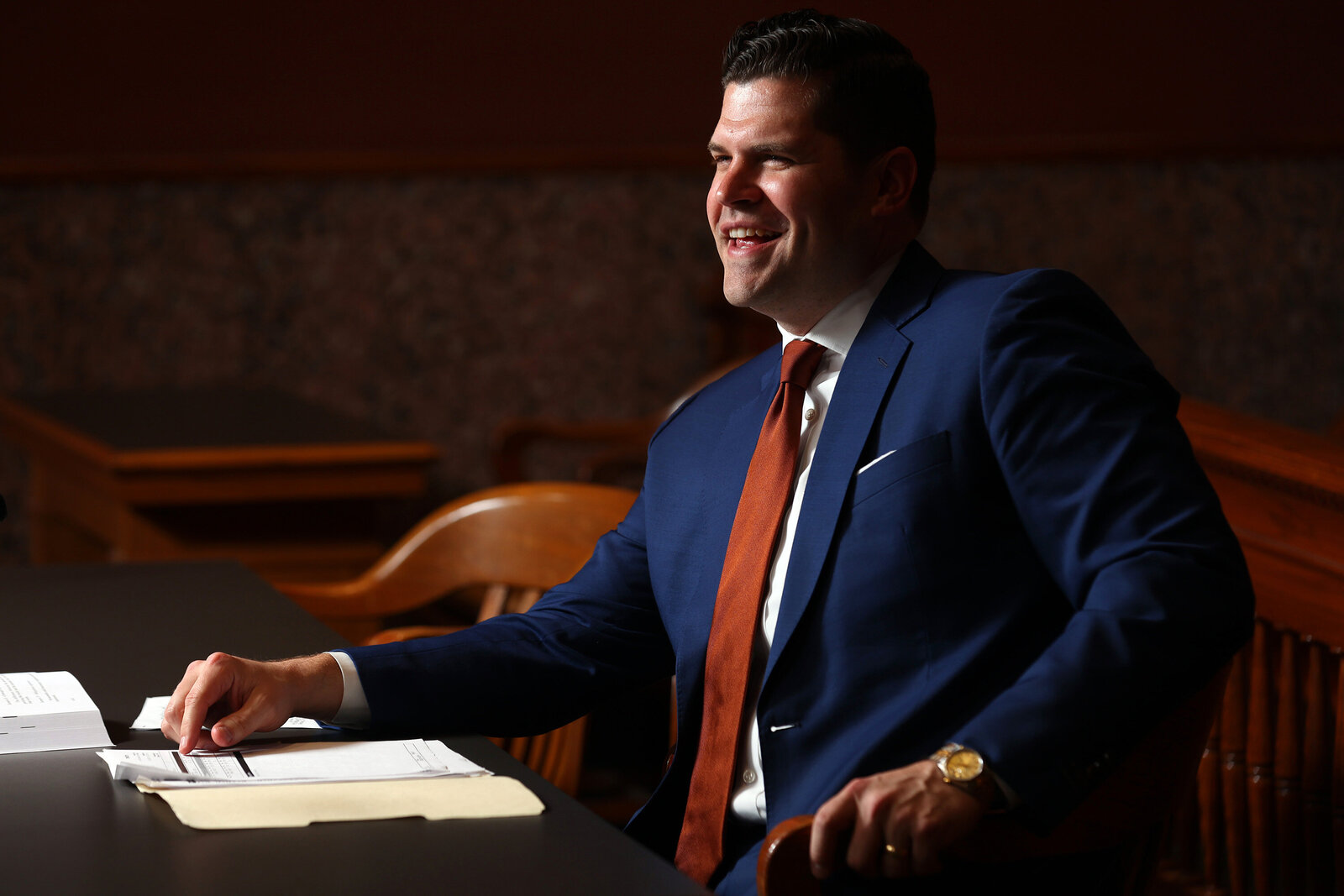
Graham Norris
Principal Attorney & Founder, Norris Legal Group PLLC
Graham Norris is an award-winning criminal defense attorney and former Tarrant County prosecutor with over a decade of courtroom experience. He has earned countless dismissals and not guilty verdicts on charges ranging from misdemeanor assault to felony murder. Graham has been recognized as a National Trial Lawyers Top 40 Under 40 attorney, named a Texas Monthly Super Lawyers Rising Star, and selected as a Top Attorney by Fort Worth Magazine.
Former Assistant District Attorney • Texas A&M School of Law Graduate • Member, National Order of Barristers
Need Legal Help? Call (817) 859-8985





Read the Comments +