

By Graham Norris
Many people assume a Texas DWI case requires a breath or blood result. It does not.
A chemical test can be powerful evidence, but Texas law does not make a breath or blood number a required element of DWI. The State can try to prove intoxication through other evidence, including driving behavior, officer observations, statements, field sobriety testing, video, and witness testimony.
That does not mean a no-test case is automatically strong. It means the evidence has to be examined carefully to determine what it actually proves. A Fort Worth DWI attorney can help you understand what the evidence shows and what defenses may apply.
Arrested for DWI in Tarrant County?
You have 15 days to fight a license suspension. Talk to a former Tarrant County prosecutor now.
Available 24/7 • Former Prosecutor • 3,600+ cases handled
What the State Has to Prove
Texas Penal Code Section 49.04 makes it an offense to be intoxicated while operating a motor vehicle in a public place. Under Section 49.01, “intoxicated” can mean either having an alcohol concentration of 0.08 or more or not having the normal use of mental or physical faculties because of alcohol, drugs, or another substance.
The second definition is important in a case without a breath or blood result. The State may argue that a person had lost normal mental or physical faculties even without knowing a numerical alcohol concentration.
What Evidence Can Be Used Without a Chemical Test?
A prosecutor may rely on several categories of evidence.
- Driving behavior. The officer may describe speeding, weaving, striking a curb, failing to maintain a lane, delayed responses to traffic signals, or another driving pattern. The defense should also examine whether there were innocent explanations, whether the video confirms the description, and whether the alleged conduct actually occurred.
- Physical appearance. Officers often document odor of alcohol, red or watery eyes, balance issues, slurred speech, confusion, or difficulty following instructions. Those observations can matter, but they are not exclusive to intoxication. Fatigue, illness, injury, anxiety, medication, environmental conditions, or ordinary physical differences may affect how a person looks or performs.
- Statements. A driver’s statements about drinking, drug use, where the driver was coming from, or when the last drink was consumed may become part of the State’s theory. A statement that someone drank alcohol is not necessarily an admission of legal intoxication.
- Field sobriety tests. Officers may use standardized field sobriety tests such as horizontal gaze nystagmus, the walk-and-turn, and the one-leg stand. Graham Norris has explained that officers are trained to look for specific “clues” on these tests. A defense lawyer can review whether the instructions and administration were proper and compare the officer’s conclusions with the actual video.
- Video and audio. Body-camera and dash-camera recordings can be especially important in a no-test case. They may support the officer’s description, undermine it, or show details that a written report leaves out.
- Witnesses and surrounding circumstances. Passenger statements, crash evidence, receipts, surveillance video, phone records, or testimony about a person’s condition before or after driving can sometimes become relevant.
Questions about your license or court date?
Get specific advice for your situation before you speak to anyone else.
Text the FirmWhy the Officer’s Report Is Not the End of the Story
Graham Norris describes one of the core DWI defense tasks as comparing what the officer wrote with what the video actually shows.
Police reports often use standardized language and record the clues an officer believes were present. But the report is one person’s account. Video can allow the defense, prosecutor, judge, and jury to see and hear much of the encounter for themselves.
A report may say a driver was unsteady. The video may show the driver standing normally. A report may say the driver did not follow instructions. The recording may show confusing instructions or background noise. In another case, the video may strongly support the officer.
The point is to check the evidence rather than assume the written description is accurate or inaccurate.
Can Refusing a Breath or Blood Test Be Used Against You?
Texas law permits evidence of a refusal to submit to the taking of a breath or blood specimen to be introduced at trial under Transportation Code Section 724.061. That means a prosecutor may argue that refusal is part of the overall evidence.
But a refusal is not itself a breath or blood result, and it does not relieve the State of proving DWI beyond a reasonable doubt. The defense can still challenge the stop, the investigation, field sobriety testing, officer observations, video interpretation, and the other evidence the State relies on.
The Lawfulness of the Stop Still Matters
Before an officer can build a DWI case, the officer must have a lawful basis for the stop or detention. If the initial seizure violated the Constitution, a defense lawyer may seek to suppress evidence obtained as a result.
Graham has explained that when a traffic stop itself is successfully suppressed, the effect can be significant because evidence obtained after the unlawful stop may be excluded. Whether suppression is available depends on the facts and the legal basis for the officer’s actions.
Don’t miss the 15-day ALR deadline
Protect your license and your record. Talk to Graham Norris today.
Call (817) 859-8985 Free ConsultationNo Chemical Test Does Not Mean No Case — or an Automatic Conviction
A DWI case without a breath or blood test can still be prosecuted. It can also leave more room for dispute about what the available evidence really shows.
The key questions include:
- Why was the vehicle stopped?
- What did the officer actually observe?
- Were the field sobriety tests conducted properly?
- Does the video match the report?
- Were there medical, physical, or environmental explanations for the alleged signs of intoxication?
- What statements were made?
- What evidence connects the alleged impairment to the time of driving?
Those questions are fact-specific. There is no rule that a no-test DWI must be dismissed, just as there is no rule that officer observations alone automatically prove guilt.
What to Do After a No-Test DWI Arrest
Preserve your arrest paperwork and any notice related to your driver’s license. Save receipts, messages, photos, location information, and other records that may help establish the timeline. Do not delete evidence or post about the case online.
There may also be a short deadline for requesting an administrative driver’s license hearing, depending on the notice and circumstances.
Norris Legal Group represents people charged with DWI in Fort Worth and Tarrant County. If your case does not involve a breath or blood result, contact the firm for a free consultation. A careful review of the report, video, field sobriety testing, and the basis for the traffic stop by a Fort Worth DWI attorney can help determine what evidence the State actually has and what defenses may apply.
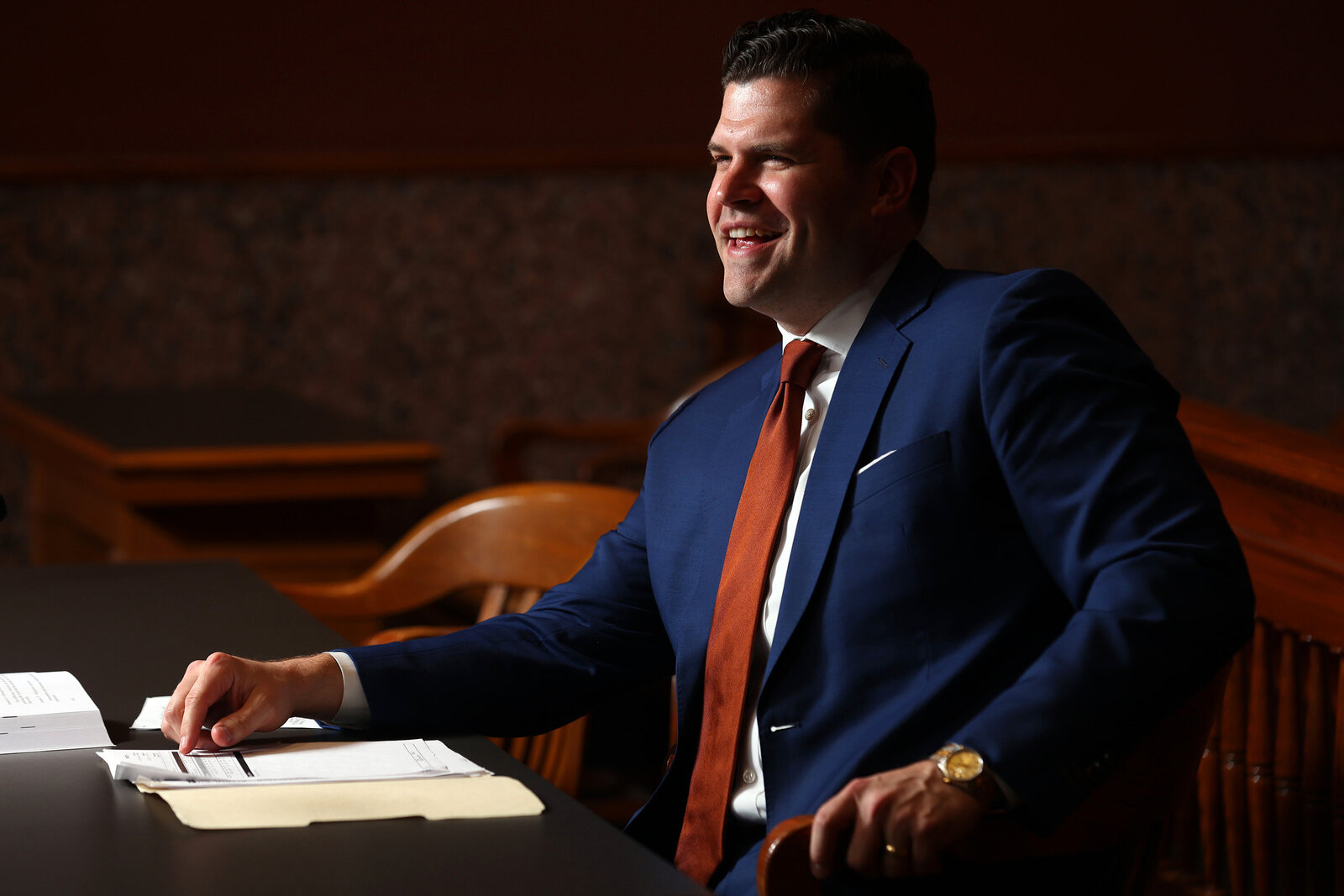
Graham Norris
Principal Attorney & Founder, Norris Legal Group PLLC
Graham Norris is an award-winning criminal defense attorney and former Tarrant County prosecutor with over a decade of courtroom experience. He has earned countless dismissals and not guilty verdicts on charges ranging from misdemeanor assault to felony murder. Graham has been recognized as a National Trial Lawyers Top 40 Under 40 attorney, named a Texas Monthly Super Lawyers Rising Star, and selected as a Top Attorney by Fort Worth Magazine.
Former Assistant District Attorney • Texas A&M School of Law Graduate • Member, National Order of Barristers
Need Legal Help? Call (817) 859-8985





Read the Comments +